Live Briefs 2026-11-22 · Full coverage of embodied AI
Trump Orders USTR to Seek Talks on Robot and Industrial Machinery Imports
President Trump has directed the U.S. Trade Representative and the Commerce Secretary to negotiate on robots and industrial machinery to address national security concerns. The executive order also leaves open tariffs, quotas and other remedies, plus incentives for domestic production.
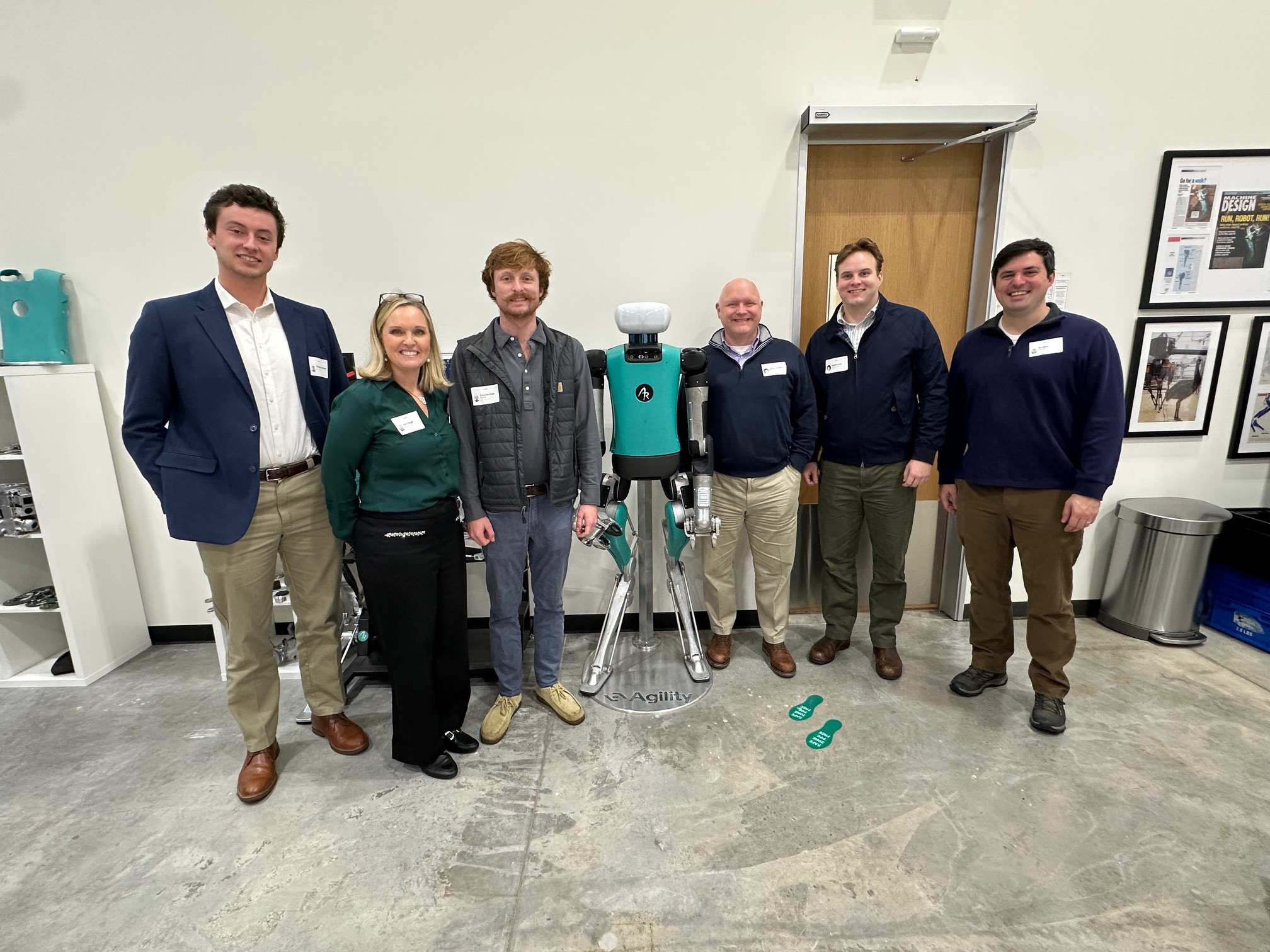
Agility Hosts Committee Staff at RoboFab Humanoid Factory
Staff from the @EdWorkforceCmte visited RoboFab, Agility's factory in Salem, Oregon, to see what it takes to build an American humanoid robot that is Made for Work®. Agility said talks covered its engineering, how customers use Digit to address workforce challenges, and the education and workforce development needed to support America's growing robotics industry.
Agility Helps Write First ISO Safety Standard for Humanoid Robots
Agility Robotics says humanoid safety standards are still being drafted and that it is contributing to the process. Kevin Reese, the company's Senior Director of Robotics Safety, serves as Project Leader of ISO 25785-1, described as the first safety standard for dynamically stable industrial mobile robots.
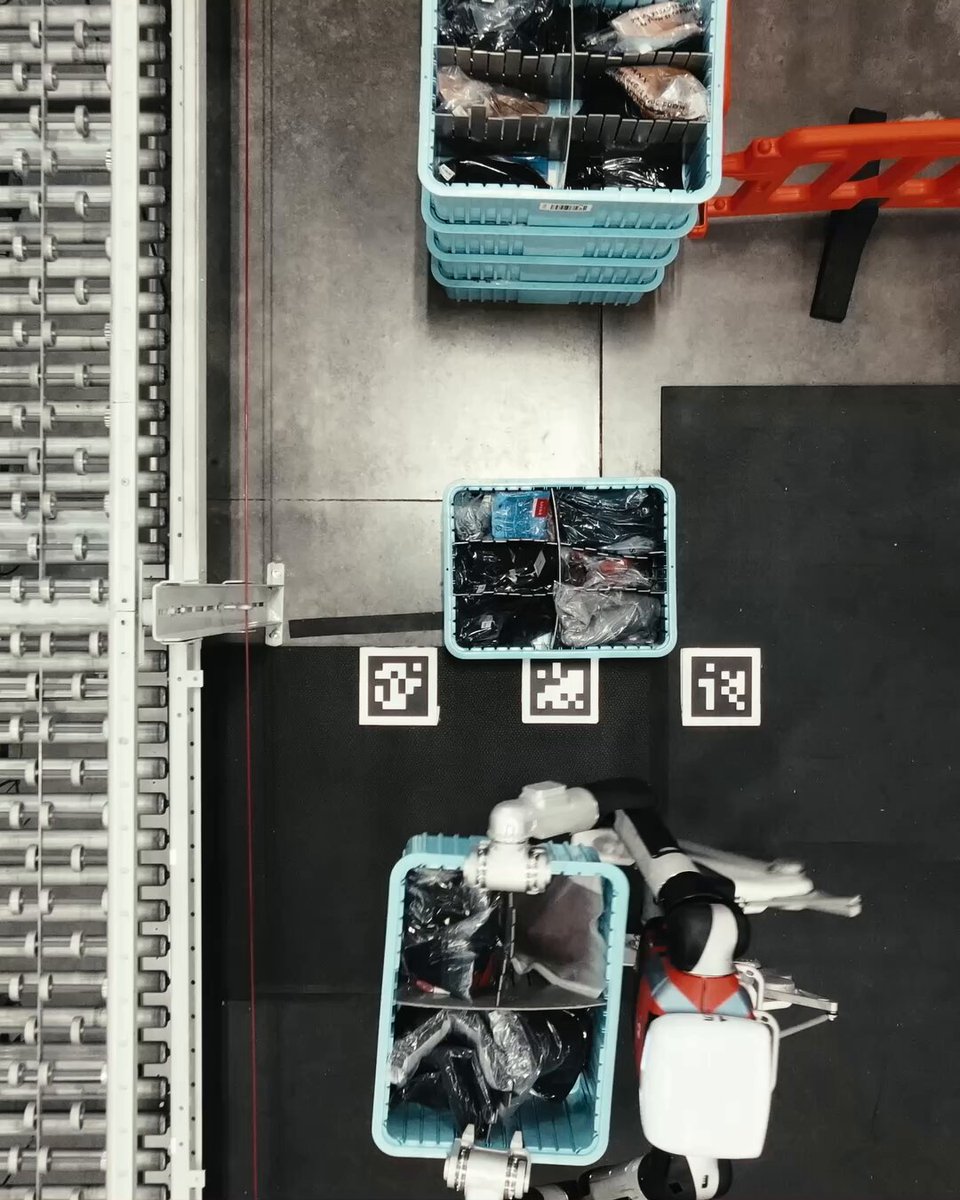
Warp Sciences exits stealth with $215M to bring robotics to drug discovery
Warp Sciences has emerged from stealth with $215 million to build a U.S.-based chemistry CRO that combines chemists, robotics and AI. The company says it will generate experimental data to train better scientific AI while helping biotech and pharma customers discover drugs faster.
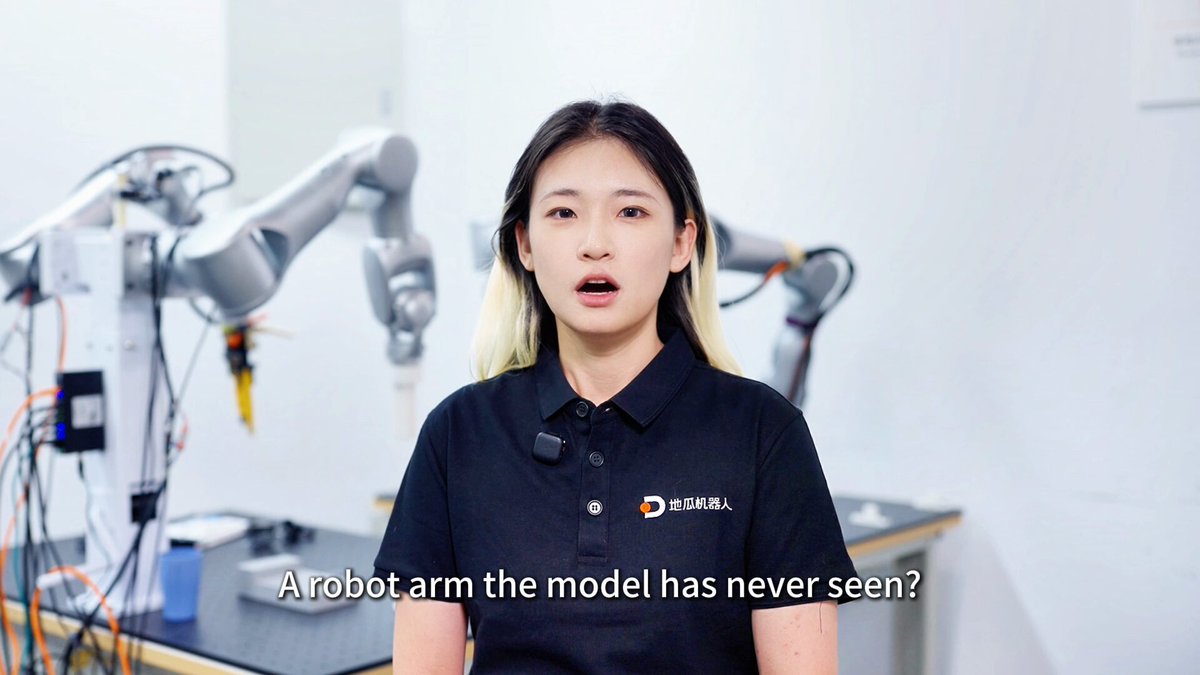
D-Robotics releases Uranus model for 60-second robot video generation
D-Robotics detailed Uranus, a unified robot video generation model that goes from 2-second training clips to stable 60-second closed-loop generation. The engineering breakdown covers long-horizon generation, multi-camera support, and a single model covering 7 mainstream robot embodiments. The technical report, inference code, SDK and model weights are now public, and 100 early-access spots are open worldwide for developers and researchers.
JL Mag Rare-Earth: Embodied Robots Key to Next Tech Transformation
JL Mag Rare-Earth said in an investor relations update that embodied robots could free human productivity and are a key direction for the next technology transformation. The disclosure offered a strategic view without specific business targets or capacity plans.
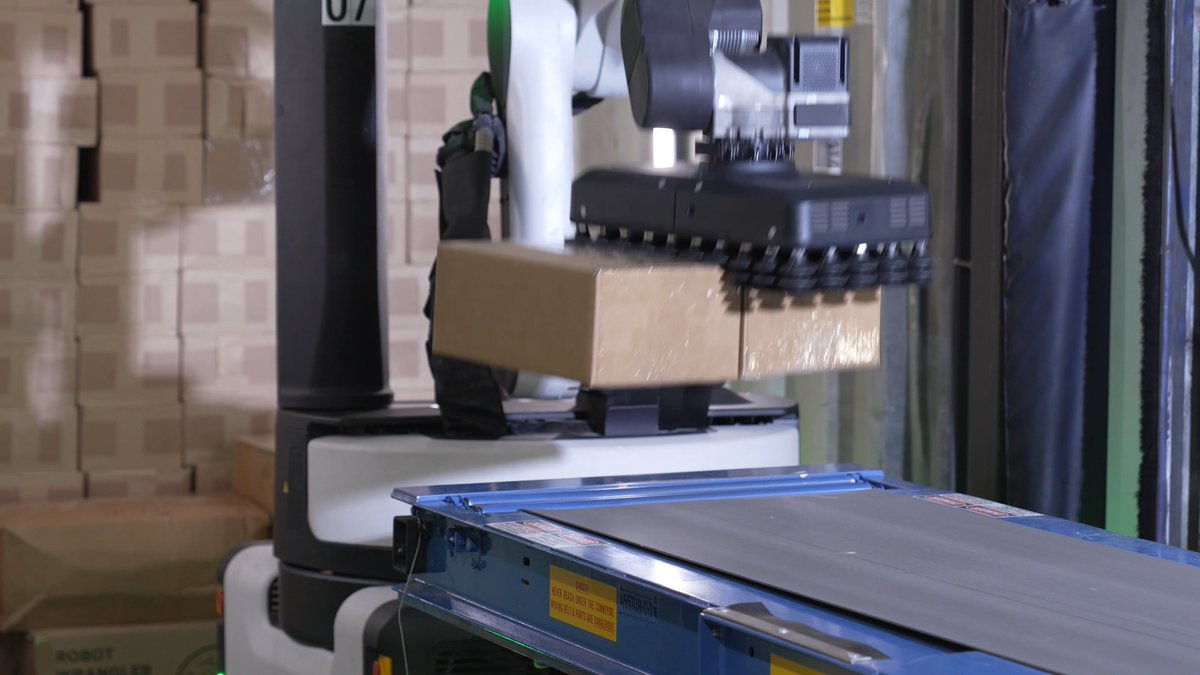
Boston Dynamics: Stretch vacuum gripper handles varied boxes
Boston Dynamics highlighted the vacuum gripper on its Stretch robot, which uses individually actuated suction cups to handle boxes of different sizes with ease. The company said the design lets the robot pick up a range of freight items. Tied to Halloween, the post invites readers to see what makes the cut so they can avoid their own frightful freight mismatches. No specifications, pricing or deployment figures were disclosed.
ChiNext Index Rises 3.4% as AI Hardware and Robotics Stocks Surge
On October 28, Chinese A-share markets closed higher, with the ChiNext Index gaining 3.4%, driven by active trading in AI hardware and robotics sectors. Total turnover across the Shanghai, Shenzhen, and Beijing exchanges reached approximately 1.64 trillion yuan, up about 170 billion yuan from the previous session.
Grooved Fiber Actuator in Science Advances Reshapes Soft-Robot Control Logic
A new grooved fiber actuator reported in Science Advances uses channel geometry to program bending and twisting, simplifying soft-robot control and expanding design options.
Bojie: Humanoid Robot Business Still in Expansion Phase
Bojie Co., Ltd. (002975.SZ) said on an investor platform that humanoid robot testing revenue was less than 1% of total revenue in the first half of 2026, as the business remains in expansion.
SigmaStar Says 8003 Targets Entry-Level Vision Edge, 9353 Powers Robots
SigmaStar Technology disclosed that its 8003 chip is positioned for entry-level visual edge computing development boards, while the 9353 is mainly used in intelligent robots.
Wuchan Jinlun Says Subsidiary's Steel Wire Not Yet Used in Humanoid Robot Tendons
Wuchan Jinlun said on Oct. 28 that humanoid robot dexterous-hand tendon ropes can use multiple material routes, but its subsidiary Jinlun Steel Wire's special steel wire products are not yet used in that field.
Guangzhou Steps Up Investment Promotion as Emerging-Sector Activity Rises
Guangzhou has designated 2026 as its investment promotion year and is steering social capital toward emerging sectors. In the first three quarters, newly registered projects exceeded 2,200 with planned investment of 349.3 billion yuan, up 149% year on year.
Robot's First Three Quarters Revenue Rises 9.87%, Net Loss Reaches RMB318 Million
Robot (300024.SZ) reported first-three-quarter 2026 revenue of RMB2.437 billion, up 9.87% year on year, while net loss attributable to shareholders was RMB318 million.
Robot Co. Revenue Up 9.87% in First Three Quarters as R&D Investment Grows
Robot Co. reported third-quarter revenue of 986 million yuan, up 76.60% year on year, while first-three-quarter revenue rose 9.87% to 2.437 billion yuan. Net profit attributable to shareholders fell 99.64% amid higher R&D spending, losses at associates and foreign-exchange losses.
Unitree Technology Posts 270.54% Net Profit Growth in First Three Quarters
Unitree Technology's first-three-quarter 2026 revenue rose 55.71% to 1.817 billion yuan, and net profit attributable to shareholders jumped 270.54% to 387 million yuan, though adjusted profit declined.
Physical AI Ignites Robot Stock Rally as Concept Shares Surge to Limit-Up
Robot-concept stocks in China surged in a broad limit-up wave on Wednesday, Oct. 28, as institutions attributed the rally to accelerating physical AI deployment.
Zhiyuan and LimX Dynamics Back Mogan Technology's Whole-Body E-Skin
Mogan Technology is developing a whole-body electronic skin that moves tactile sensing beyond fingertips, with Zhiyuan and LimX Dynamics reportedly backing the effort. The approach aims to give robots richer physical perception for manipulation and interaction.
Jack Technology: Sewing Robot Products Still at Early Commercialization Stage
Jack Technology said its robot-related products are mainly used in sewing and remain at an early commercialization stage, with very low revenue and profit contributions and uncertain prospects for large-scale deployment.
Storage Supercycle Lifts China-Korea Semiconductor and Robotics ETFs
Wind data showed A-share hard-tech shares rebounding on Oct. 28, 2026, lifting China-Korea semiconductor and robotics ETFs while liquor and consumer sectors slipped.
CLSA Initiates Mech-Mind Robotics at Outperform with HK$100 Target Price
CLSA has initiated coverage on Mech-Mind Robotics with an Outperform rating and a target price of HK$100, based on a 9x price-to-sales ratio for next year.
A-Share Close: ChiNext Rises 3.4% as Humanoid Robot Stocks Surge
China’s A-share market closed higher, with the ChiNext Index gaining 3.4% as humanoid robot and AI hardware stocks rallied. Shanghai’s plan to deploy 8,000 humanoid robots in factories by 2028 and Apple’s higher foldable-screen shipment target boosted sentiment.
Robot and Semiconductor ETFs Lead as Humanoid Robot Stocks Surge
China-Korea semiconductor, robot and communication ETFs led gains, while liquor, food and beverage and agriculture ETFs declined. Humanoid robot stocks surged after Shanghai outlined a plan to deploy 8,000 humanoid robots in factories by 2028.
ETF Review: ChiNext Rises 3.4%, AI Hardware Rebounds, Robot ETFs Gain 5%
ETF closing data showed ChiNext rising 3.4%, AI hardware rebounding sharply, the China-Korea semiconductor ETF surging 8% on over 20 billion yuan turnover, and robot, telecom and ChiNext growth ETFs gaining 5%. Humanoid robots, auto parts, CRO, media, home appliances and defense led, while banks and coal dividend assets recovered in the afternoon.
A-Shares Close Higher as Humanoid Robots and AI Hardware Lead Gains
A-shares closed broadly higher, with more than 4,100 stocks advancing and the ChiNext Index gaining 3.4%, as humanoid robot and AI hardware shares led the market.
Tokyo Robots Use Legs as Arms to Lift Patients, Transform into Tow Trucks
Two robots developed at the University of Tokyo can suspend a simulated patient in the air using their legs as manipulators, and can also reconfigure into a tow truck mode.
China's 136 National Robot Scenarios: Turning Pilots Into Validation
China has published a list of 136 national-level application scenarios, giving robotics companies a structured chance to test products in real operations. Firms that map capabilities to scenario requirements, run pilots and feed data back into development are best placed to move from demonstration to deployment.
Tongji Team Gives Flying Robots a Bionic Impulse Arm That Extends in 0.07 Seconds
Tongji University researchers have developed a bio-inspired impulse arm for aerial robots that snaps open in 0.07 seconds, cutting impact forces by about 75% while preserving flight stability.
Policy Boost Puts Special-Robot 'Four Tigers' in Industry Spotlight
A State Council General Office policy document is boosting China's special-robot sector, bringing the industry's so-called 'Four Tigers' of special robotics into the mainstream spotlight.
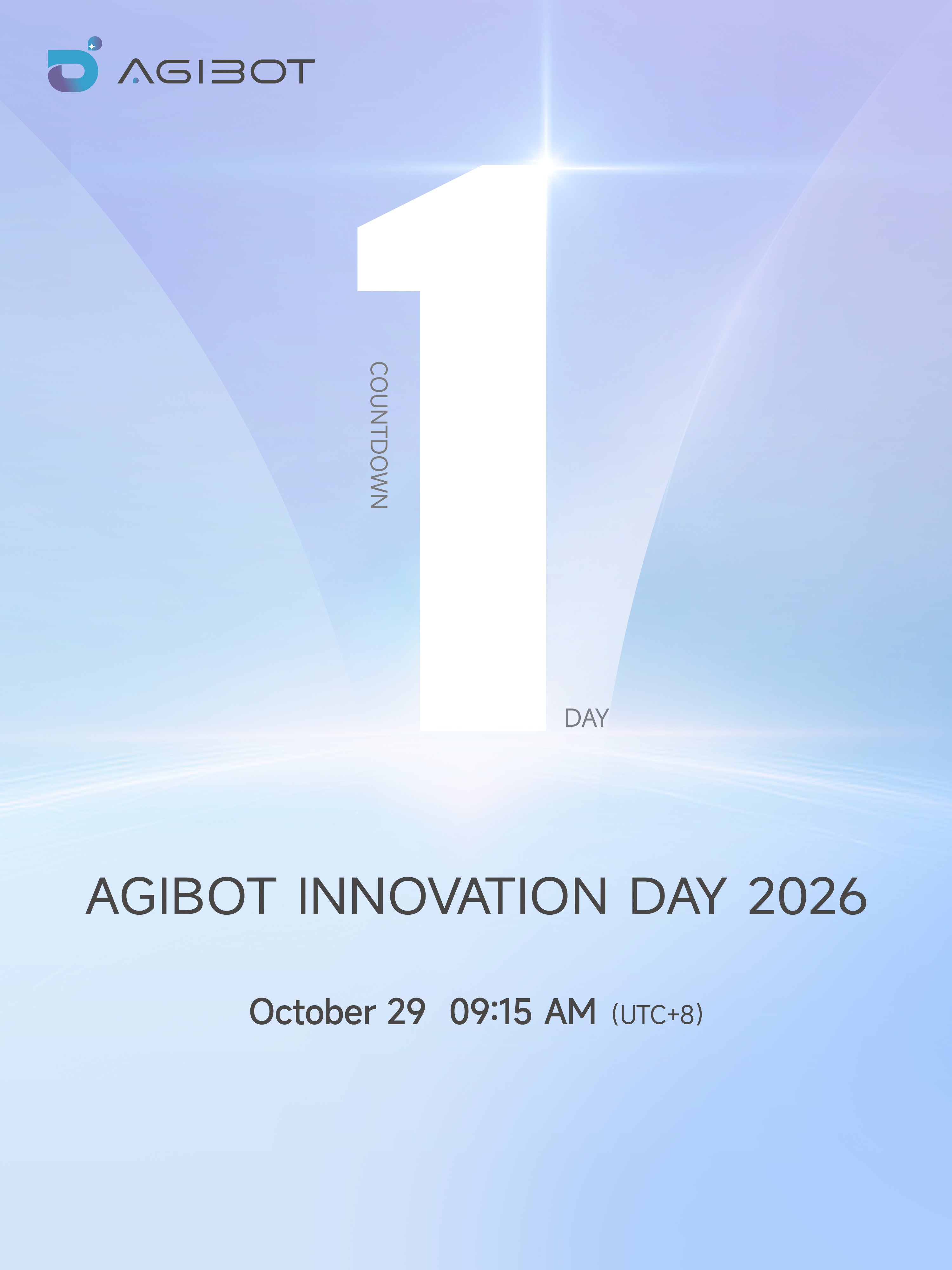
AGIBOT sets Innovation Day 2026 for Oct 29 in Shanghai
AGIBOT is counting down one day to its Innovation Day 2026, scheduled for October 29 at the Shanghai World Expo Center. In the post, the company described the event as the opening of a new chapter for embodied AI, without disclosing further details on products or announcements.
Agibot Upgrades Genie Sim Platform to Tackle Flexible Simulation Challenges
Agibot has upgraded its Genie Sim simulation platform, integrating real-space reconstruction, flexible interaction simulation, capability evaluation, and policy post-training to standardize model testing and accelerate robotics deployment.
Zhiyuan Upgrades Genie Sim Platform to Tackle Flexible Object Simulation Challenges
Zhiyuan has upgraded its Genie Sim simulation platform, achieving 96.7% consistency between simulation and real-world tasks and addressing challenges in flexible object simulation.
Why Embodied AI Firms Are Rushing Into Shoe Factories
Embodied AI companies are increasingly targeting shoe manufacturing, drawn by labor-intensive, high-variety tasks and the chance to collect real-world manipulation data.
Zero Zero Robotics Reportedly Hits $1 Billion Valuation on HOVERAir Growth
Zero Zero Robotics, maker of HOVERAir self-flying cameras, has reportedly reached a $1 billion valuation in its latest funding round. The Chinese company disclosed Series D and D-plus financing this year and is projected to post RMB 600 million to RMB 700 million in fourth-quarter revenue.
XPeng IRON Robot's Solid-State Batteries Enter Small-Batch Production
XPeng Vice President Gu Jie says solid-state batteries for the IRON robot have begun small-batch production, with the robot still in the pre-SOP stage.
ChiNext Rises 3% as Humanoid Robot Stocks Surge; Robot ETF Jumps Over 7%
At midday, the ChiNext Index rose 3% as humanoid robot concept stocks hit limit-up, while robotics ETFs gained more than 7%. The China-Korea semiconductor ETF recorded turnover of 8.8 billion yuan.
Humanoid Robot Concept Stocks Surge as Robot ETFs Gain Over 7%
Robot-themed ETFs rallied broadly, with several products gaining more than 7% as humanoid robot concept stocks surged, according to Gelonghui.
A-Share Midday: Nearly 4,500 Stocks Rise, ChiNext Up 3%, Humanoid Robot Concept Surges
A-share markets saw nearly 4,500 stocks rise at midday, with the ChiNext index surging 3% and humanoid robot concept stocks leading gains. Semiconductor, CPO, and PCB sectors also rallied, while liquor and bank stocks adjusted.
China's ChiNext Jumps 3% at Midday as Robot Stocks Surge
China's ChiNext Index rose 3% at the midday break on Oct 28, led by a broad rally in robot concept stocks, while semiconductor and computing-hardware shares also advanced. More than 4,500 stocks gained across Shanghai, Shenzhen and Beijing as morning turnover reached 1.02 trillion yuan.
Robot ETF Nanfang Rises Nearly 4% as Institutions See Launch Conditions
As of mid-morning on Oct 28, 2026, Robot ETF Nanfang (159258) traded 26.8717 million yuan, while its benchmark CSI Robot Index rose 3.77% and gained over 5% in the past week. Institutions say the robot theme has conditions to launch, bullish on mass production and application prospects.
Robotics Sector Rallies on Multiple Catalysts; ETF Nanfang Index Gains Over 4.6%
China’s robotics sector extended gains on multiple positive catalysts, with the underlying index of Robot ETF Nanfang (159258) rising more than 4.6% by 11:05 and over 12% in the past eight trading sessions.
Musk Says Robot Memory Demand Will Exceed All, Boosting Robot ETF 4.4%
Tesla CEO Elon Musk said robot memory demand will surpass everything, sparking a rally in humanoid robot stocks. The Tianhong Robot ETF (159770) tracking index rose 4.48% on the day and has gained 12.46% since October 19.
A-Share Humanoid Robot Concept Stocks Surge, Nearly 20 Hit Daily Limit
A-share humanoid robot concept stocks staged a broad rally, with nearly 20 names hitting their daily limit, including Zhejiang Rongtai and Wuzhou Xinchun. The surge reflects renewed investor appetite for embodied AI and robotics supply chains.
Embodied AI Moves Into Classrooms at Chongqing Education Conference
The 7th AI and Robotics Education Conference in Chongqing showcased classroom-ready embodied AI tools, highlighting efforts to align curricula, teacher training, and equipment with industry talent needs.
Hanshow and Tuoyuan Zhihui Partner to Develop Embodied Intelligent Retail Robots
Hanshow Technology has formed a strategic partnership with Tuoyuan Zhihui to jointly develop embodied intelligent retail robots and retail loss-prevention technologies. Retail scenarios, with clear pain points and measurable ROI, are becoming a testbed for embodied AI deployment.
Jia Yueting's Embodied AI Ecosystem Company Lists After Completing Robot Business Acquisition
Jia Yueting's embodied AI ecosystem company has completed the acquisition of its robotics business and listed on the stock market, marking a new phase of capital operations in the embodied intelligence sector.
RoboParty Open-Sources Full-Stack Humanoid Robot From Mechanics to Motion Algorithms
RoboParty, a startup less than a year old, has fully open-sourced its bipedal humanoid robot prototype, including mechanical drawings, BOM, motion algorithms, a troubleshooting database and supply-chain details. The move aims to lower development barriers and challenge the closed engineering model in humanoid robotics.
China Adds Embodied AI Robot Technician to Latest List of New Occupations
China’s human resources authority has added embodied intelligent robot application technician to its latest list of new occupations, alongside 10 other new professions and 23 new work types. The move highlights rising demand for robotics talent and pressure on industry-education integration.
HKU-Led Embodied AI Benchmark: Zhiyuan Model Tops, Surpassing General LLMs
On October 27, an embodied AI evaluation benchmark led by the University of Hong Kong released its latest rankings, with Zhiyuan's model taking first place with an average score of 61.90 and a success rate of 56.42%, surpassing general large models. The results indicate a growing division of labor between general and embodied models, while the benchmark provides an objective capability standard for the industry.
Embodied AI Capital Consensus Collides With Engineering Reality for Startups
Capital and talent have rushed into embodied AI over the past two years, producing a dense wave of startups. Yet nearly 190 seed, angel and early-stage deals show more than half of funding going to companies without products or revenue, exposing a gap between consensus and engineering reality.
China Robot Sector Rises 3% on Standards, Mass-Production Catalysts
China's robot sector rose on Oct. 28, with the Robot ETF (560770) gaining intraday as Shuanghuan Driveline and Leaderdrive led. National standards and mass-production hopes drove the move.