Biped vs. Wheeled: The Complete Humanoid Lineup at WRC 2026
Why it matters: the 2026 form-factor split shows where China's humanoid industry is betting, and what buyers are actually paying for.
Embodied AI Frontier | August 2026
With the 2026 World Robot Conference (WRC 2026), China's flagship robotics trade show, just days away, the organizers have released the expo's robot lineup in stages. Among the 100-plus complete robots announced so far, humanoids account for nearly half, and a quiet but decisive split is running through them: some insist on two legs, pushing toward the limits of human-like locomotion; others have pivoted to wheeled, semi-humanoid and hybrid forms, putting stability and real work capacity first. This guide walks through the announced humanoid exhibits on both sides of the split, examines each camp's design choices, engineering specs and target scenarios, and asks the question the industry is facing: in 2026, what should a humanoid actually look like?
Article structure
- 1. The biped route: walking like a human
- 2. The wheeled route: stability above all
- 3. What the form-factor split really tells us
1. The biped route: walking like a human
In humanoid robotics, the biped is the most "orthodox" form factor and the hardest path. It forces a robot to solve dynamic balance, whole-body coordination and terrain adaptation at once; if any single element fails, the machine cannot stand. At WRC 2026, biped vendors are still the majority, but the category itself has split into four streams: extreme athletics, general-purpose platforms, service interaction, and education and research.
1.1 Pushing the limits of movement
LimX Dynamics' LimX Luna is among the most athletic bipeds on the floor. This 160 cm full-size interactive humanoid packs 27 degrees of freedom (DoF) and an in-house motion-control engine, with high-difficulty stage moves such as jumps and full side splits, roughly four hours of battery life, and continuous operation when plugged in. Just as notable is its companion app: a no-code AI task editor that combines dance, motion, voice and vision capabilities into one-tap performance plans, plus video imitation that lets the robot learn moves by watching footage. LimX Luna is thus not just a display of athletic ability but a programmable toolkit: venue operators can choreograph performances without hiring programmers, which is what makes the entertainment use case actually work.
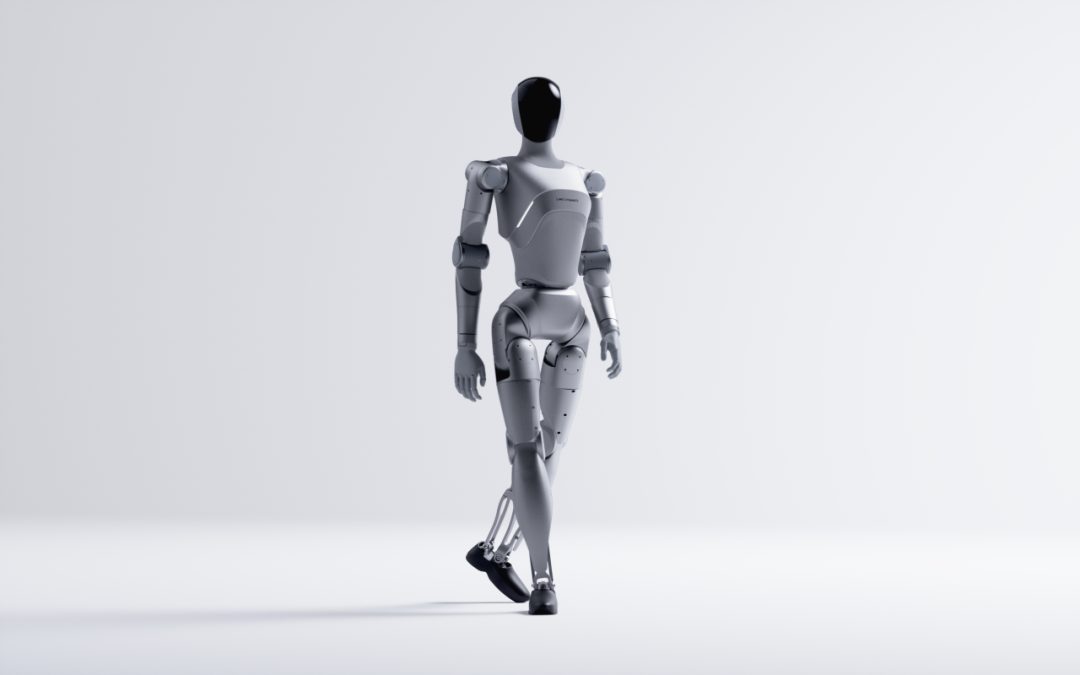
Fig 1 LimX Dynamics · full-size interactive humanoid robot · Booth: C316
Galaxea's Kengo represents a different approach: a bipedal embodied-AI robot built around a high-performance motion "cerebellum" and an embodied "brain," capable of high-difficulty extreme maneuvers with autonomous balance and terrain adaptation in dynamic environments. Galaxea says later versions of Kengo will carry a full embodied-brain model for better semantic understanding and task planning, positioning it as a productivity benchmark for embodied-AI bipeds. The path from "can it move" to "can it think" is the standard arc for a biped graduating from showpiece to workhorse.
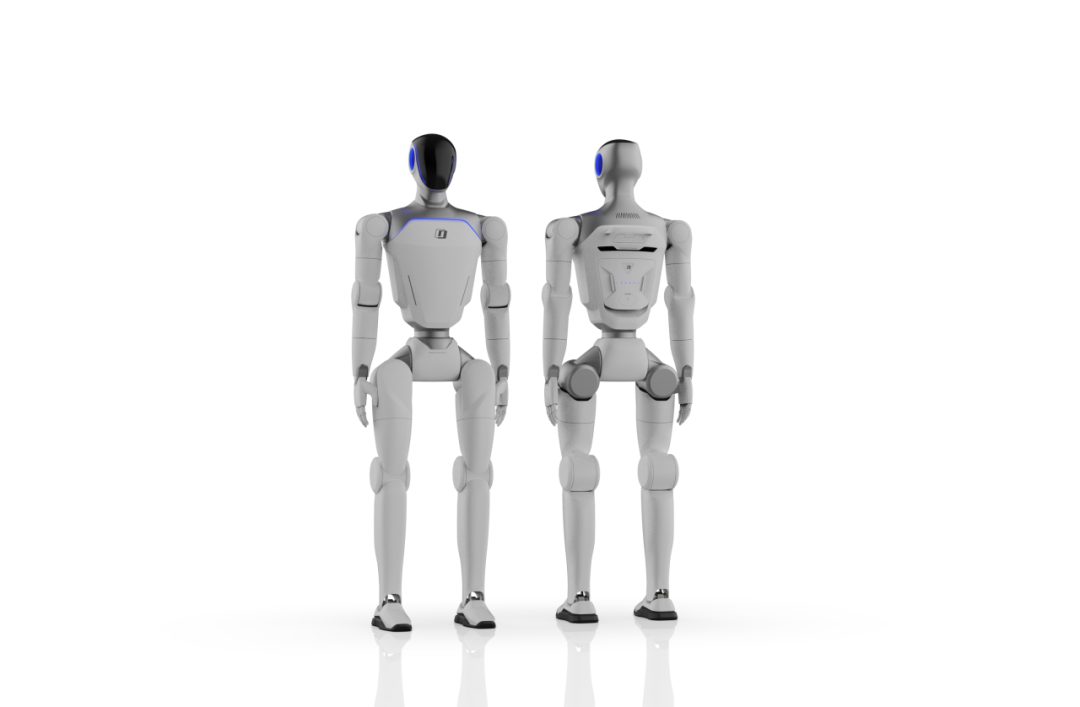
Fig 2 Galaxea · Kengo · Booth: C210
Goeng's Mini Pi takes the "small body, big punch" route: 59 cm tall, 7 kg, built on in-house joint modules yet able to carry a 10 kg payload. The machine is modular and quick-release by design, supports extensions including robotic arms, depth cameras, gimbals and voice LLMs, gets back up after falls, and runs more than two hours without overheating. Goeng publishes an open SDK and open-source algorithms covering ZMP, MPC and reinforcement learning, and lists stunts from a kung-fu squat to kicking a football and doing splits. The strategy is clear: compress biped capability into a desktop-scale, low-cost vehicle for research and development.
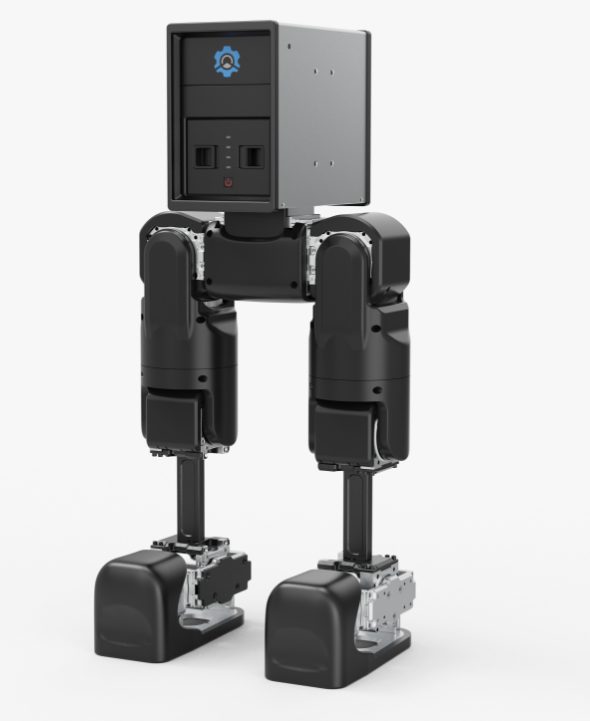
Fig 3 Goeng · Mini π · Booth: D305
1.2 Full-size bipeds: an arms race in general platforms
If athletic bipeds answer "can it move," full-size general platforms answer "can it work." This is the densest segment of the show, and the spec sheet competition is fierce.
PHYBOT's M1 is the spec-heavy archetype: a 180 cm human-like build weighing just 70 kg, powered by the in-house PhyArc joint family with 32-plus DoF and peak joint torque of 830 N·m. To put that in context, 830 N·m in a single joint is enough to support heavy payload manipulation, which is why PHYBOT targets special operations and logistics. Light weight plus high torque is one of the defining directions of joint technology in 2026.
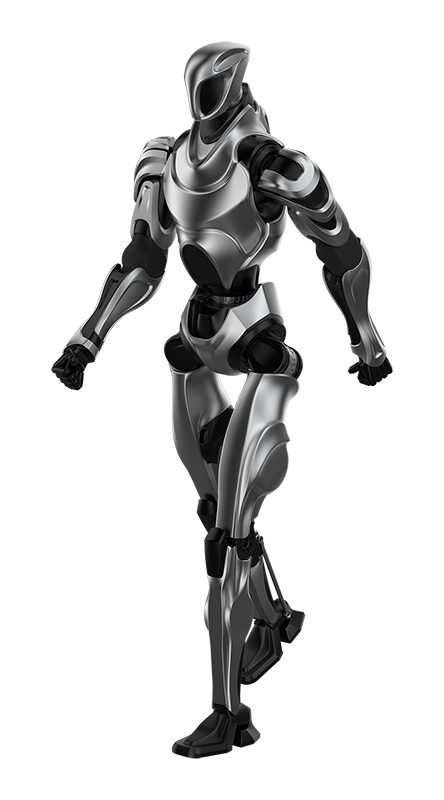
Fig 4 PHYBOT · PHYBOT M1 high-performance general humanoid · Booth: A221
Tlibot's Tianzhen Z1 plays the DoF card: 1.67 m, 45 kg, up to 40 active DoF excluding the dexterous hands, of which 5 are in the neck, 5 in the waist and 2 in a shoulder structure that enables shrugs and other fine interactions. Its modular skeleton supports exterior customization for different industries and customers, a rare case of turning appearance into a product feature.
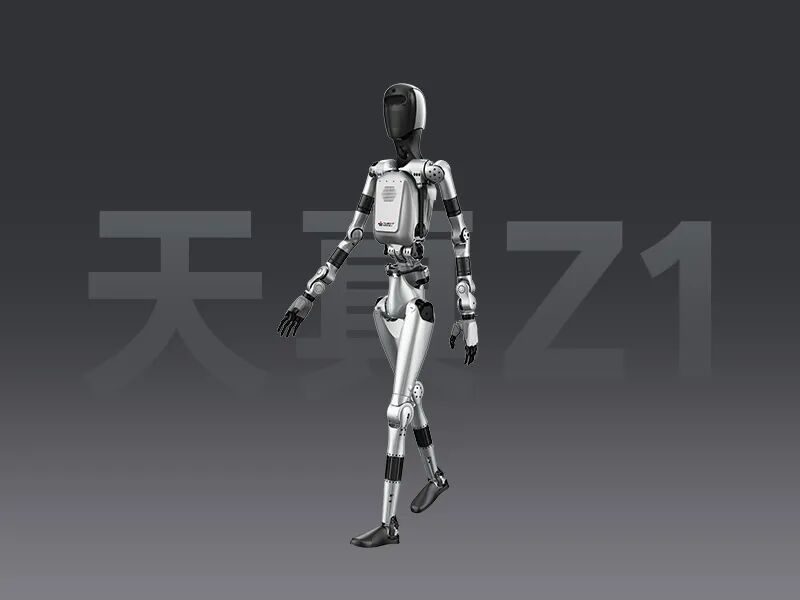
Fig 5 Tlibot · humanoid robot Tianzhen Z1 · Booth: A428
Moobot fields the Moz1, billed as China's first high-performance whole-body force-controlled humanoid: 26 DoF, in-house integrated joints with the highest power density on the market, a 1:1 payload-to-weight ratio, and a high-precision, high-speed whole-body control (WBC) system. Whole-body safety functions and high-accuracy collision detection suggest this product is built for more than demos, pointing at real commercial-service and home use.
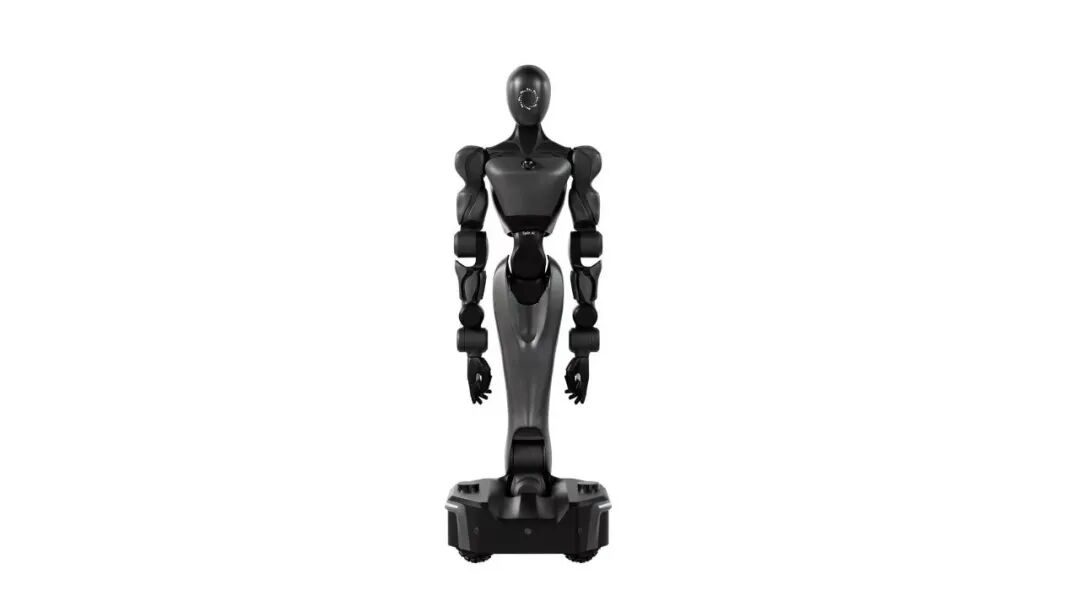
Fig 6 Moobot · Moz1 · Booth: B101
Transdimensional AI's DexForce W1 Pro shifts the battle to software: it claims to be China's first humanoid with fully in-house "AI engine, vision, brain and body" development, using a pure-vision binocular system and a Sim2Real VLA architecture to perform tasks such as making coffee end-to-end, striking matches and driving screws. While most vendors still compete on joint specs, Transdimensional competes on AI capability density, representing the other pole of the biped race: hardware competition will eventually give way to software competition.
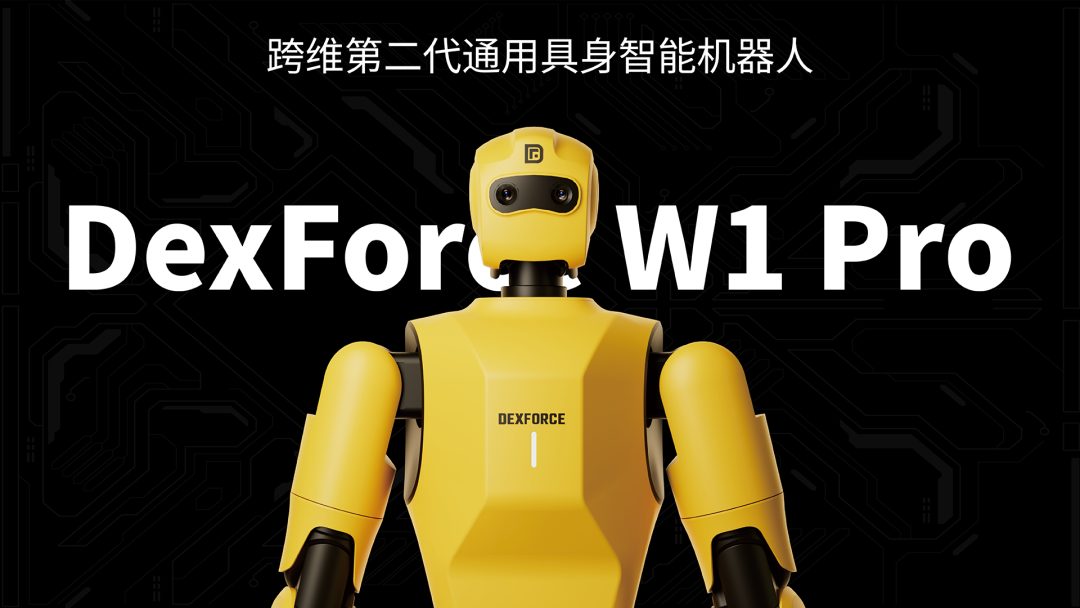
Fig 7 Transdimensional AI · DexForce W1 Pro · Booth: C303
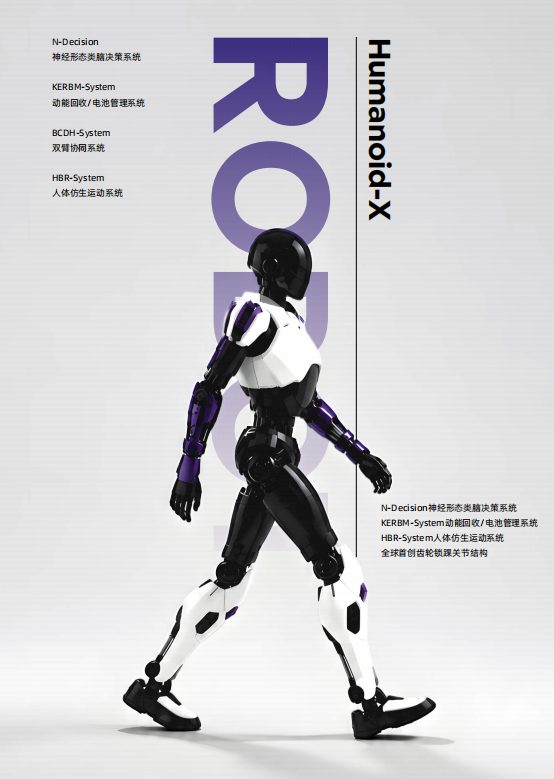
Enlight-Robot's Shennong (175 cm, 55 kg, up to 43 DoF) leads with in-house ultra-high-torque-density motors at 200 N·m/kg, targeting education, tour guide and industrial logistics. Unity-Mind's Humanoid-X is a full-size general biped running the Wujie OS dual-brain architecture, with a lightweight brain-like model that reduces cloud dependency, and it can link with wheel-arm bases and cleaning modules to form multi-form robot work clusters, unlocking coordination across different embodied-intelligence devices.
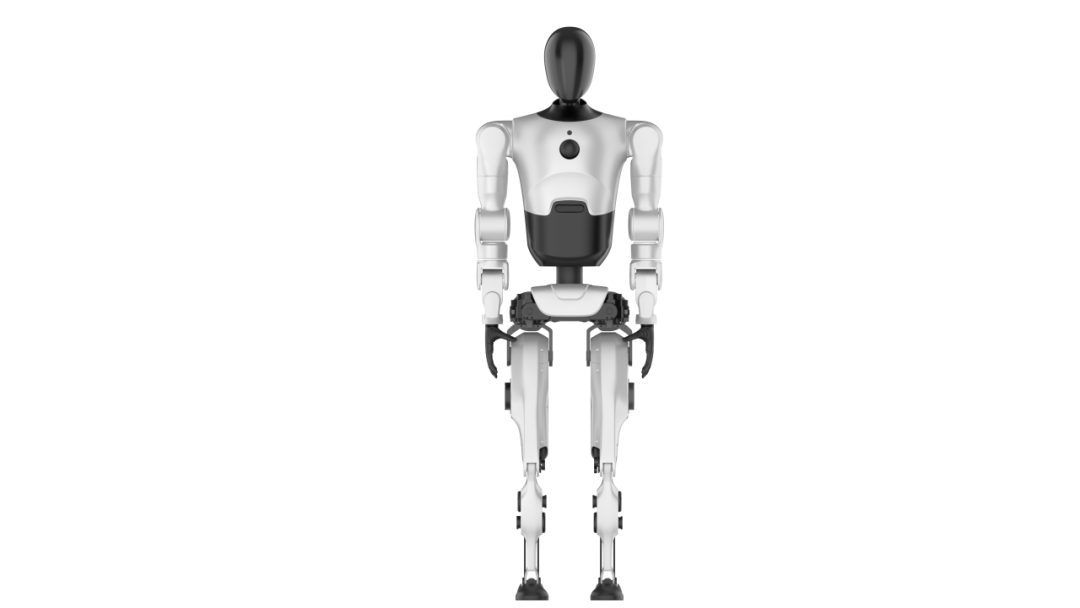
Fig 8 Enlight‑Robot · Shennong humanoid robot · Booth: C115