Beyond the Humanoid: The Multi-Form Robot Guide to WRC 2026
Why it matters: the machines beyond the humanoid show where robots actually work today, and which verticals are scaling first.
Embodied AI Frontier | August 2026
While the industry's attention is fixed on humanoids, the announced lineup at the 2026 World Robot Conference (WRC 2026) is a reminder that the robot world is far richer than one form factor. Quadrupeds are approaching industrial-grade standards in heavy payload and special operations; arms and dexterous hands are pushing manipulation precision to the micron level; exoskeletons are moving toward consumer markets; and a growing fleet of vertical robots for patrol, firefighting, agriculture and sewing is perfecting the art of doing one thing extremely well. Meanwhile, a set of chassis and development platforms supplies the "public goods" for the whole ecosystem. This guide walks through the non-humanoid exhibits in five dimensions: quadrupeds, arms and hands, exoskeletons, special operations, and services and platforms, to map the full shape of the 2026 robot industry.
Article structure
- 1. Quadrupeds: from toys to productive tools
- 2. Arms and dexterous hands: the precision race
- 3. Exoskeletons: another path to human-machine fusion
- 4. Special operations: sending machines where humans should not go
- 5. Services and development platforms: the ecosystem foundation
1. Quadrupeds: from toys to productive tools
A few years ago, quadruped robots were synonymous with stunts. At WRC 2026, they have collectively turned to work. Nearly every announced quadruped targets industrial inspection, security, emergency response or heavy transport, with specs upgraded to industrial standards across the board.
1.1 Heavy-load benchmarks: payload as the industry standard
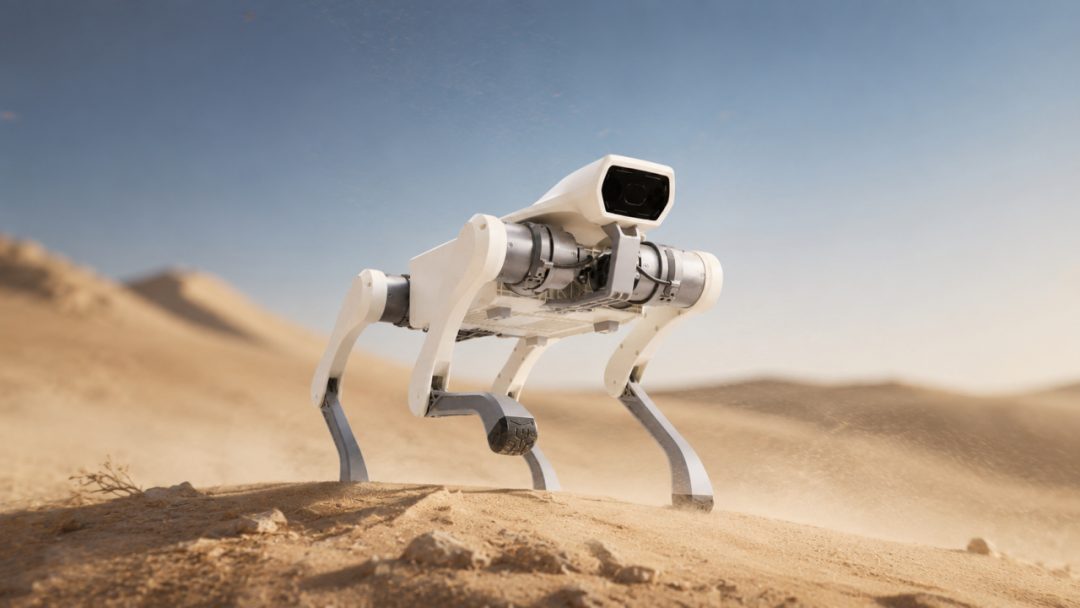
LINXAI's D50WS is the heavy-load benchmark: a flagship ultra-heavy wheeled-quadruped with 100 kg continuous and 200 kg instantaneous payload, leading the segment; its in-house joint thermal management keeps temperature controlled for 1.5 hours at 100 kg load, with 7.5 hours of endurance, positioning it for heavy equipment transport, emergency rescue and large-scale exploration. Super-smart Robotics' YJ30 Max series comes in legged and wheel-legged heavy-load variants: 45-55 kg self-weight, 50-55 kg static and 30-35 kg dynamic payload, IP67 protection, 3-4.5 hours endurance, 3-5 m/s top speed, 30-80 cm step climbing and 50-degree slope stability, serving large-scale industrial inspection, fire response and public security.
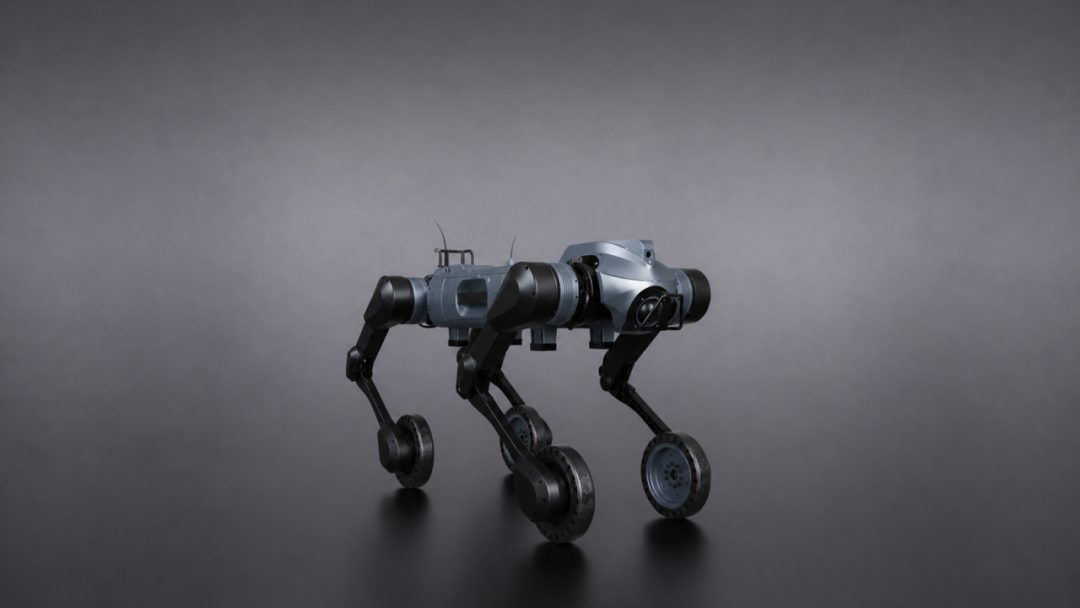
Fig 1 LINXAI · LINXAI D50 · Booth: A107
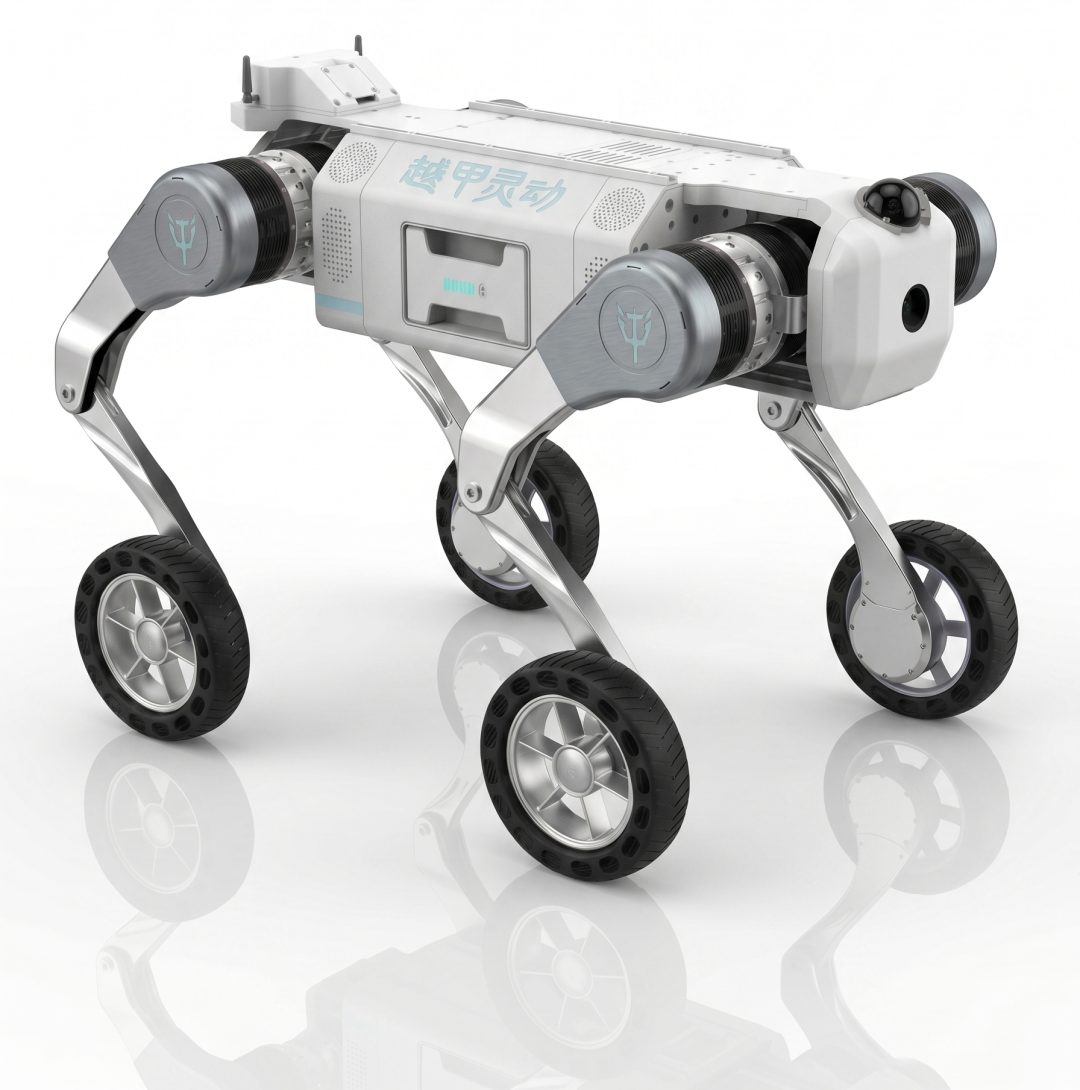
Fig 2 Super‑smart Robotics · YJ30 Max series large quadruped robot dog · Booth: D402
1.2 Data and autonomous navigation: map assets as a new variable
Glide Momentum's Tutu plays a distinctive card: data, relying on 20 years of spatiotemporal data and centimeter-level high-definition maps from AutoNavi, China's leading map and navigation provider, it navigates open environments fully autonomously without preset scripts or remote control, with a 96-line lidar, three 300-megapixel vision sensors and an NVIDIA Orin platform with 250+ TOPS of compute, 60 kg static payload, 12-plus degrees of freedom (DoF), and four hours of continuous operation for guide-dog, tour and shopping scenarios. The marriage of map-data assets with a quadruped platform is a new variable at this show: navigation is no longer just an algorithm problem but a data problem.
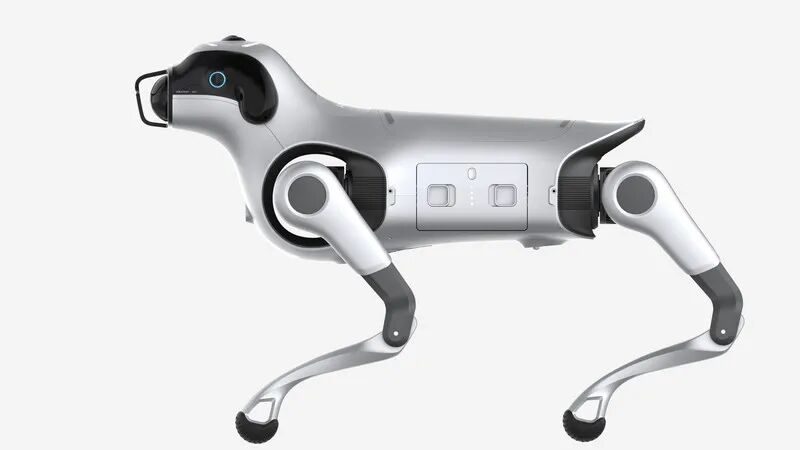
Fig 3 Glide Momentum · Glide Momentum robot dog Tutu · Booth: A504
1.3 Industrial-grade standards
MagicLab's MagicDog Y1 is the standard industrial quadruped: aerospace-grade lightweight body with IP67 protection, stable operation from minus 20°C to 55°C, autonomous obstacle avoidance, patrol, rapid battery swap and auto-charging, and compatibility with lidar, optical cameras and gas sensors. RoamerX's Gangbeng L1 targets the "small industrial" niche: billed as the industry's first 15 kg-class quadruped purpose-built for special and industrial use, with reinforcement-learning control, 3.7 m/s top speed, intelligent decision and self-balancing on mountain roads, ruins and sand, a 360-degree protected body, 48 N·m peak joint torque (about 60% above comparable products), and standard interfaces for secondary development. PUDU Robotics' D5 comes in point-foot and wheel-foot versions, emphasizing all-terrain adaptation, harsh-environment work and high-compute intelligence, with an integrated offering covering hardware, algorithms, accessories and service.
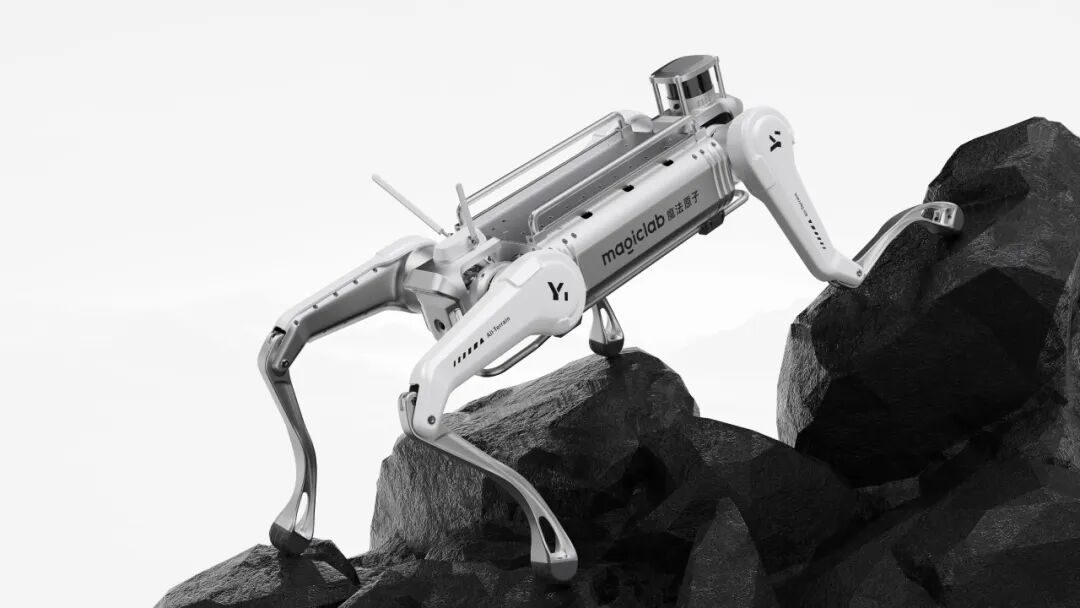
Fig 4 MagicLab · MagicDog Y1 · Booth: C323
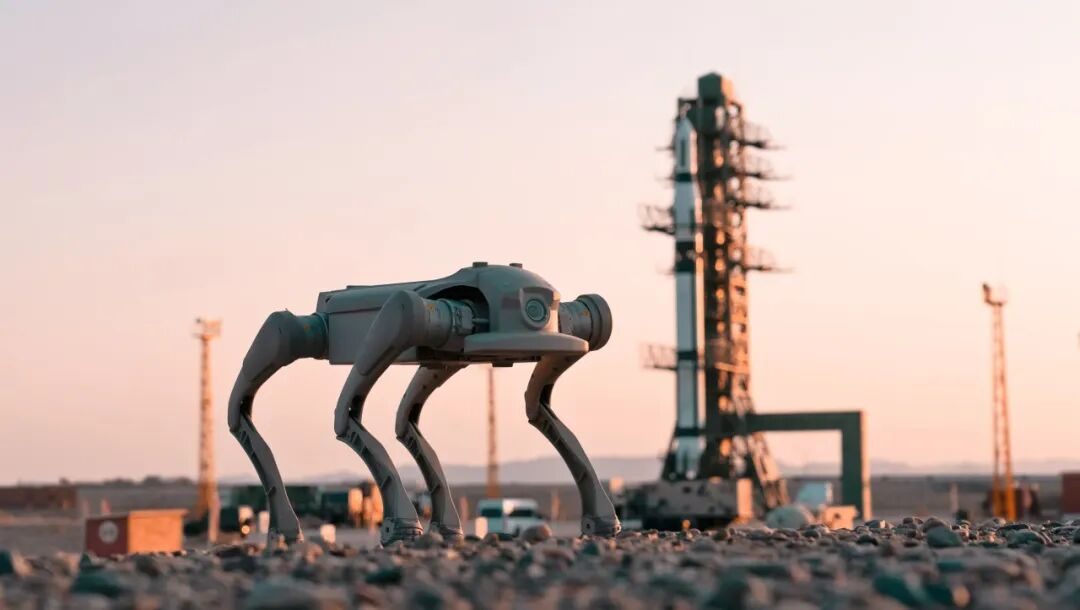
Fig 5 RoamerX · Gangbeng L1 · Booth: C109
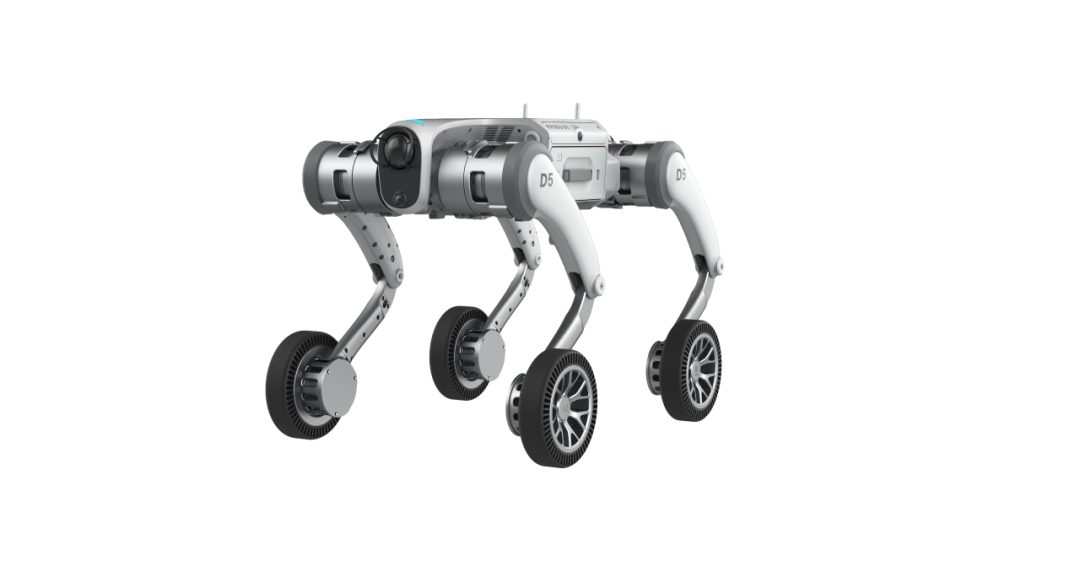
Fig 6 PUDU Robotics · PUDU D5 · Booth: A217
1.4 Security and vertical customization
58Robotics' industrial inspection/disposal quadruped emphasizes configurability: fusing quadruped mobility, intelligent perception, autonomous navigation and modular operations, it can be quickly reconfigured for inspection or disposal tasks, entering high-risk, high-interference, unmanned areas for equipment inspection, status sensing and remote operations. HTKT's laser-deterrence patrol robot dog shows what differentiation looks like in security: a wheel-leg integrated bionic structure cruising through factory zones in wheel mode, with a dual gimbal combining visible-light and thermal cameras, lidar and AI recognition, plus an adjustable-power directional laser module that uses low-harm bright light to gently deter intruders without physical damage or noise, replacing humans in high-voltage and confined high-risk areas. Nexwise Intelligence's W1 net-capture wheel-legged robot dog goes further, adding self-developed electromagnetic net-capture technology for a full security loop of patrol, evidence collection, risk warning and capture, for police patrol, park security and large-event protection.
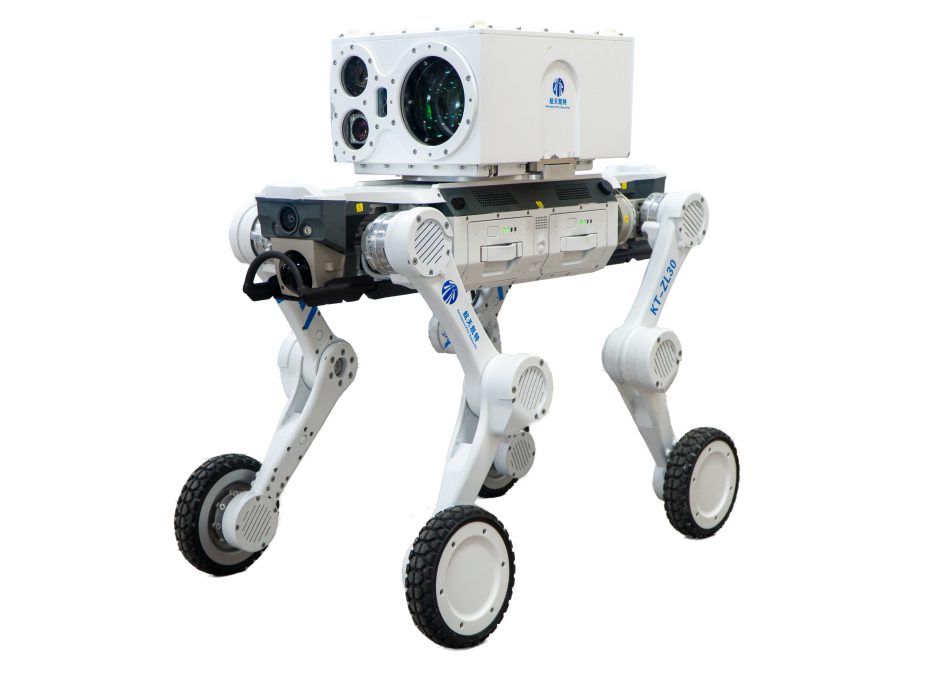
Fig 7 HTKT · laser-deterrence patrol robot dog · Booth: C116
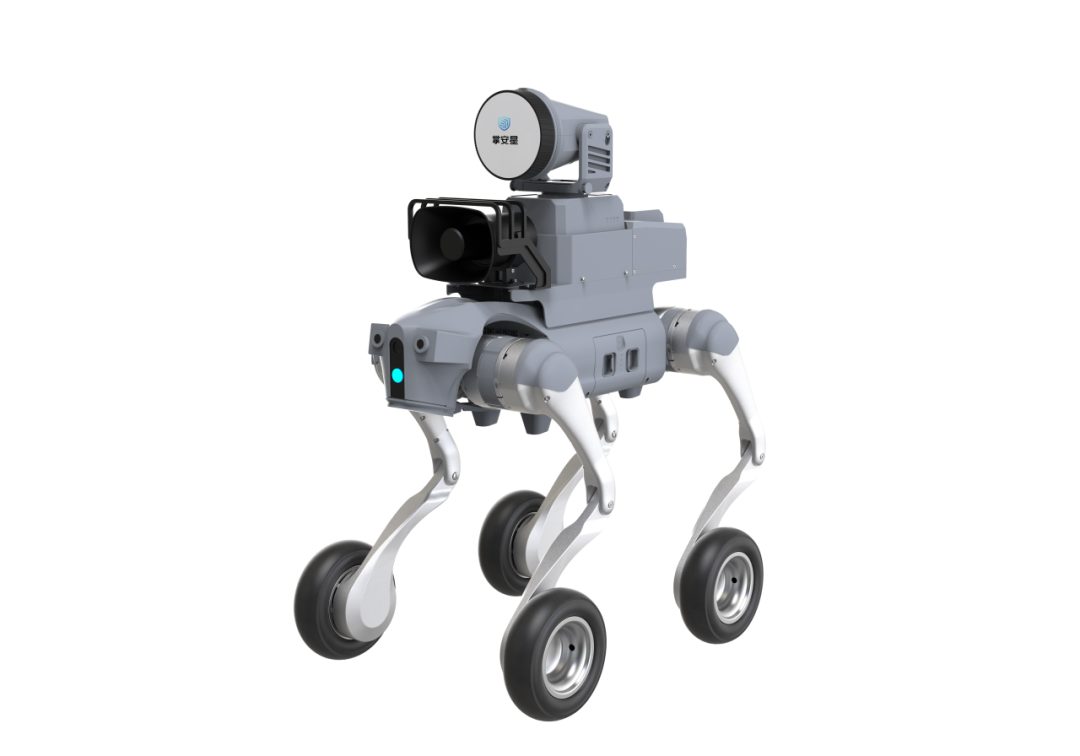
Fig 8 Nexwise Intelligence · AI patrol net-capture wheel-legged robot dog (W1) · Booth: A405
1.5 Developer ecosystems
On the developer side, Vita Dynamics' "Big Head" EDU quadruped opens five interface classes: development foundations and system services, motion control, perception and autonomous mobility, intelligent interaction, and system peripherals, for commercial service, robot labs, enterprise R&D and enthusiasts. CSPID's Jingling XingShu, an embodied domain-control backpack for the D100 quadruped, demonstrates offline capability: a backpack edge-compute unit for the D100 quadruped with a complete navigation "cerebellum," performing semantic mapping, defect recognition and autonomous patrol without network or cloud dependency. ASTRALL Dynamics' Hypertron-SW01 mid-size wheel-legged platform covers security patrol, logistics delivery, surveying and industrial inspection cost-effectively, supporting autonomous operation and modular expansion.
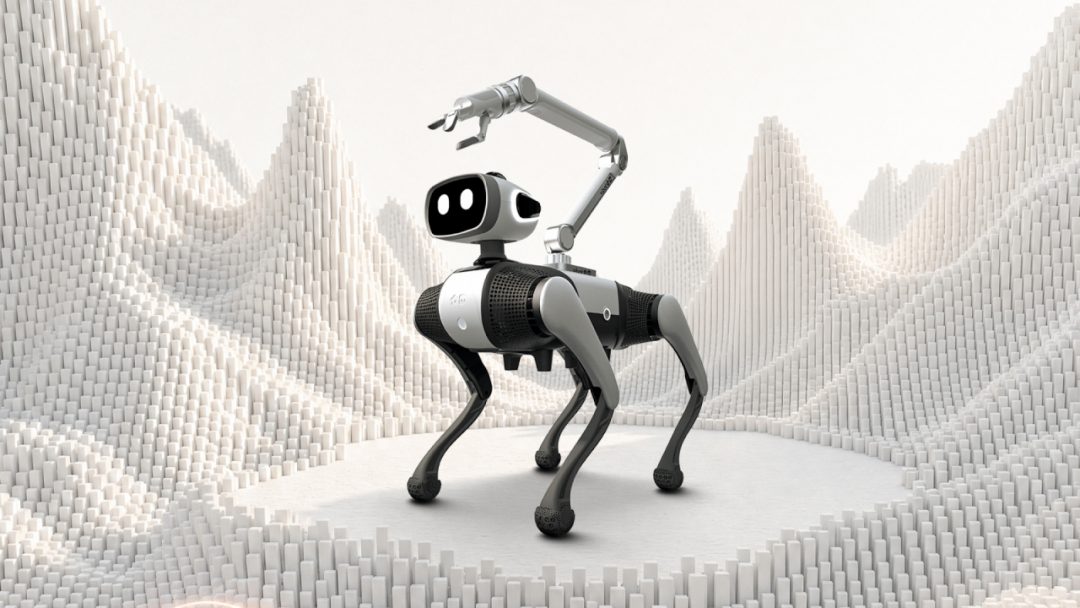
Fig 9 Vita Dynamics · Vbot super robot dog Datou EDU · Booth: C108
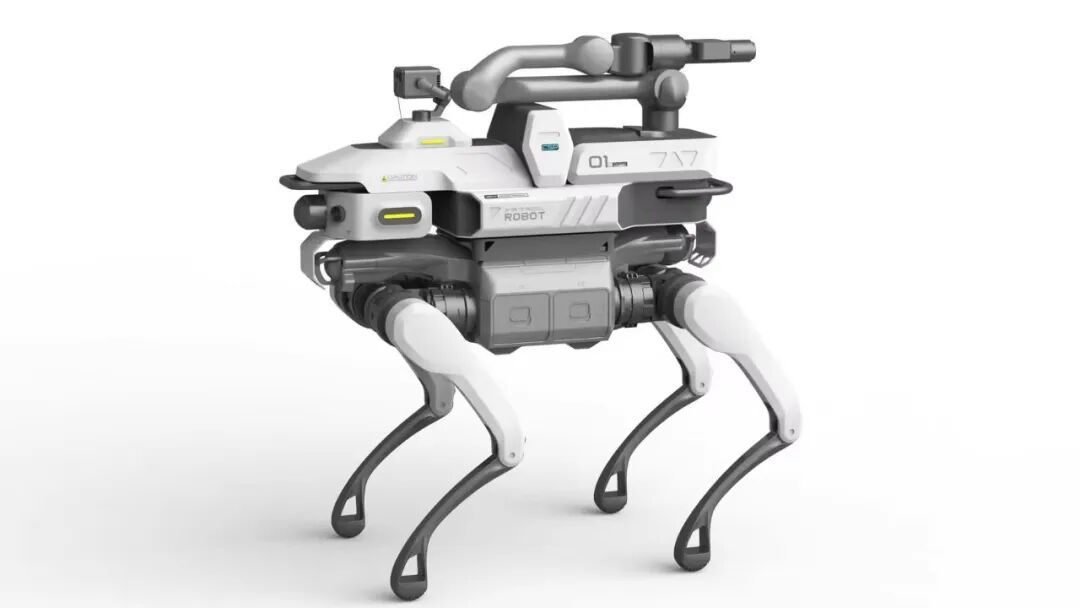
Fig 10 CSPID · Jingling Xingshu embodied domain-control backpack quadruped · Booth: C226
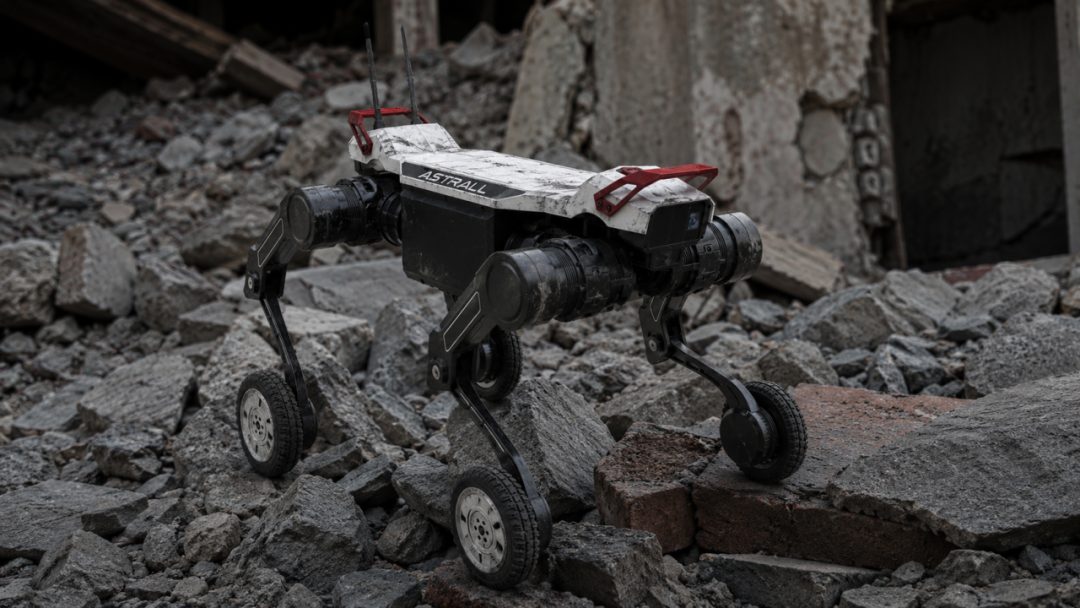
Fig 11 ASTRALL Dynamics · Hypertron-SW01 medium quadruped robot · Booth: D309
1.6 Where quadrupeds sit in the industry
The quadruped segment's coordinates are clear: locomotion is no longer the barrier; industrial customers care about payload, endurance, protection ratings and configurability. 100 kg-class continuous payload, IP67 protection and a minus 20°C to 55°C working range were flagship features in 2024, and are now standard across multiple vendors. Another signal is deepening vertical customization: laser deterrence, electromagnetic net capture, offline edge computing and centimeter-level HD maps show quadrupeds developing industry-specific skill packs, marking the shift from general platforms to industry solutions.
2. Arms and dexterous hands: the precision race
If quadrupeds solve movement, arms and dexterous hands solve manipulation. Exhibits in this segment span industrial, research and education markets, competing on precision, force control and open ecosystems.
2.1 Industrial assembly solutions
HC Humanoid's FR1 industrial assembly robot emphasizes dual-arm coordination: seven DoF per arm, with depth cameras, lidar and six-axis force sensors for precise positioning and safe interaction, gripper end-effectors for varied grasping, and a wrist depth camera for higher operation precision in unstructured environments. Robo-Ease's AI Worker is an embodied-AI-driven semi-humanoid industrial robot: 7-DoF dual arms with 16-20 DoF high-performance dexterous hands, a swerve-drive omnidirectional base for tight spaces, teach-by-demonstration and reinforcement learning for wire-harness assembly, welding and inspection, and a fully open-source stack.