2026 WRC Preview: Complete Guide to Humanoid Robot Supply Chain
Why it matters: the 2026 WRC exhibit list is a cross-section of China's embodied AI supply chain, from joint modules and tactile chips to humanoids and vertical robots.
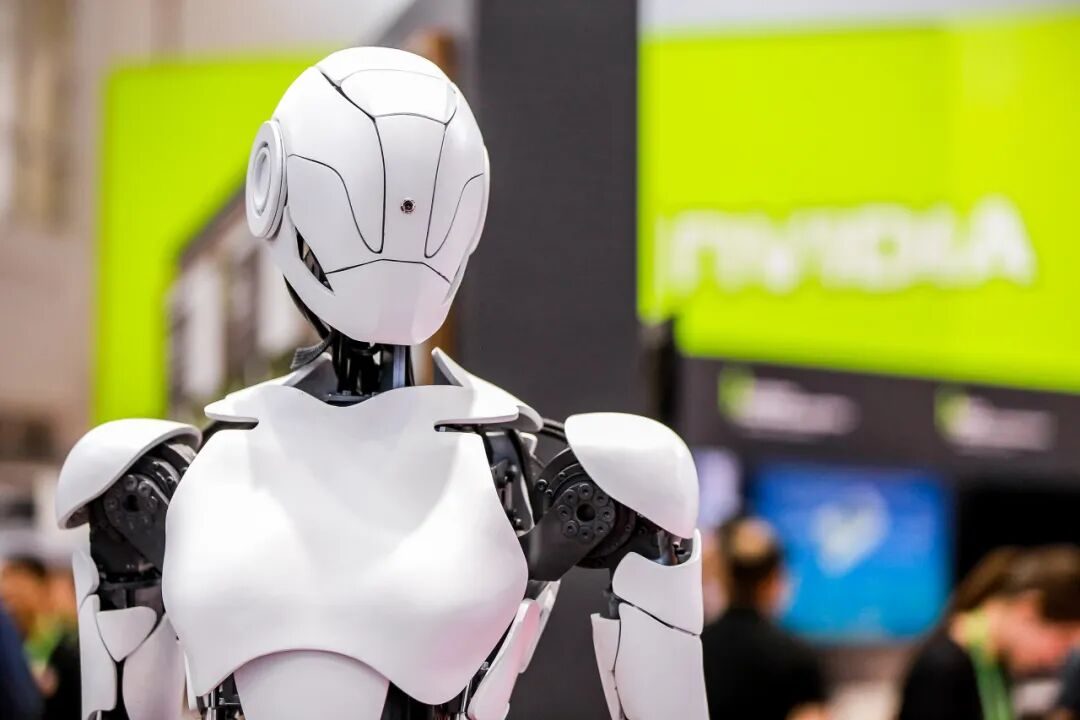
By Embodied AI Frontier
The 2026 World Robot Conference (WRC) opens Aug 19-23 at the Beijing Economic-Technological Development Area (BDA). Ahead of the show, we mapped 68 exhibits already announced by the organizers, spanning four layers of the robotics stack: actuation, perception and computing, tactile manipulation and training data, and complete robots. Viewed through the lens of "how a robot is built," the exhibit list reveals five industry signals: the shift to integrated joint modules, Chinese and foreign harmonic drives competing head to head, tactile sensing moving to mass production, data collection becoming a product category, and robot makers splitting between general-purpose humanoids and vertical applications.
Article structure
- Introduction: One Trade Show, One Supply Chain
- Chapter 1: Making Robots Move
- Chapter 2: See, Compute, Control
- Chapter 3: Touch, Grasp, Learn
- Chapter 4: The Robots Themselves
- Closing: What the Exhibit Floor Says About the Industry
By AlphaTypeE Lab · Embodied AI Frontier
Aug 13, 2026
Structure: The opening explains why a trade show floor is worth studying as a supply-chain sample. Chapter 1 covers actuation: joint modules, reducers, screws and drives. Chapter 2 covers perception, computing and control. Chapter 3 covers tactile sensing, dexterous hands and training-data collection. Chapter 4 covers complete robots, from humanoids to vertical machines. The closing offers our read on where the industry stands.
Introduction: One Trade Show, One Supply Chain
The 2026 World Robot Conference runs Aug 19-23 at the Yichuang International Convention & Exhibition Center in the BDA, Beijing's flagship industrial zone. Organized by the Chinese Institute of Electronics and the World Robot Cooperation Organization, the show carries the theme "Humans and Robots Coexist, Industry and Demand Converge" and will bring together more than 300 exhibitors and over 2,000 exhibits, including more than 150 products making their debut.
In the weeks before the show, the organizers released the exhibit lists in batches. We mapped every item they disclosed into a single, bottom-up technology chain: first the actuation systems that make a robot move, then the perception and computing that let it understand its surroundings, then the tactile sensing and dexterous hands that let it manipulate objects, and finally the complete robots that integrate all of it.
Read this way, the 68 exhibits are a cross-section of China's embodied AI industry. Most attention in the sector goes to complete humanoids, and to the question of when they scale. But the performance ceiling of a humanoid is set by its components, and its cost curve is set by supply chain maturity. From joint modules to tactile chips, from dexterous hands to data-collection terminals, the component exhibits at this year's show are a truer gauge of where the industry actually stands than the flagship robots on the main stage.
The rest of this article walks through the exhibits in that order, from components to complete machines, with an industry-level read at the end of each chapter. Exhibit information is compiled from materials published by the conference organizers; the final lineup on the show floor may differ.
Chapter 1: Making Robots Move
Raising an arm, turning, stepping, grasping, keeping balance. Each action looks instantaneous, but behind it sits a precision motion system working as one: motors supply power, drives send control signals, reducers adjust speed and torque, joint modules execute the movement, and screws, bearings and rails guarantee accuracy and stability.
The exhibits in this chapter fall into three groups: integrated joint modules, reducers and transmission components, and motors and drives. The common thread across all three is integration. Components that used to be sourced and assembled separately, such as motor, reducer, encoder and driver, are increasingly packaged into a single joint module.
Integrated joint modules: everything in one box
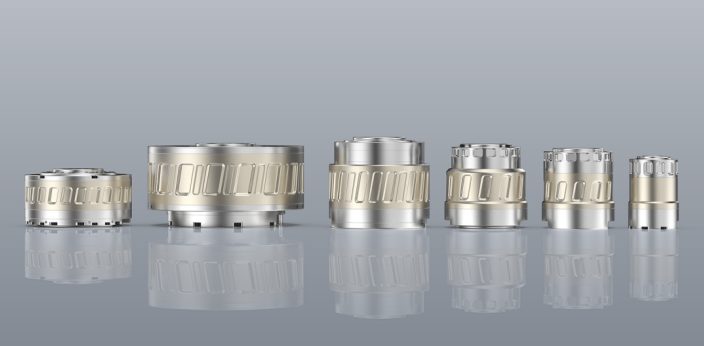
Fig 1 PhyArc integrated cycloidal joint modules · PHYBOT · A221
PHYBOT (动易科技) showed its PhyArc series of integrated cycloidal joint modules (booth A221), combining a high-precision cycloidal reducer, in-house torque motors, drive electronics and dual encoders with a real-time bus protocol for millisecond-level response. The series comes in high-torque and high-torque-density variants, customizable for humanoids, quadruped robots, robotic arms and other platforms.
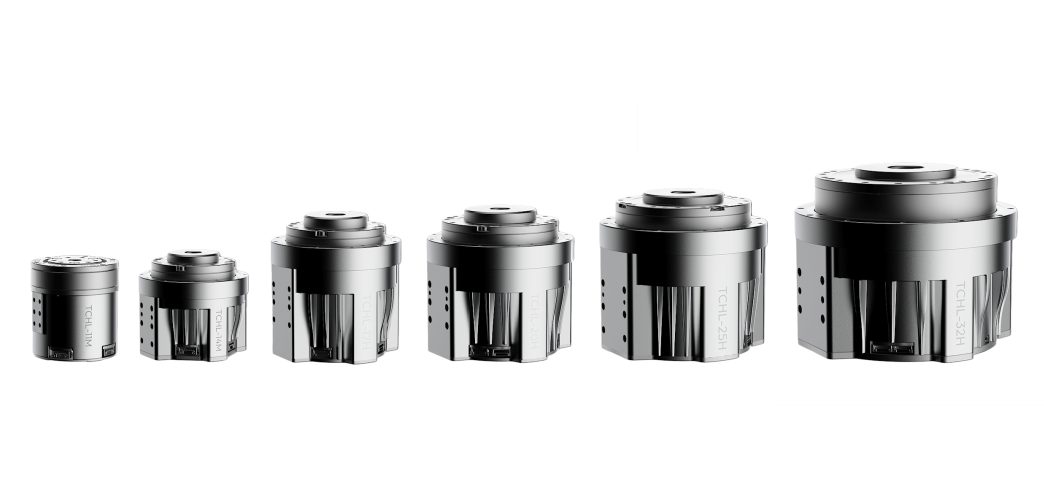
Fig 2 HarmoCore lightweight harmonic joints · TC Drive · A306
TC Drive (同川精密) brought the HarmoCore lightweight harmonic joint (booth A306), designed for embodied AI applications. It cuts joint size and weight while retaining all standard mounting interfaces, and integrates an output torque sensor without adding bulk, improving dynamic response, data-collection quality and payload capability.
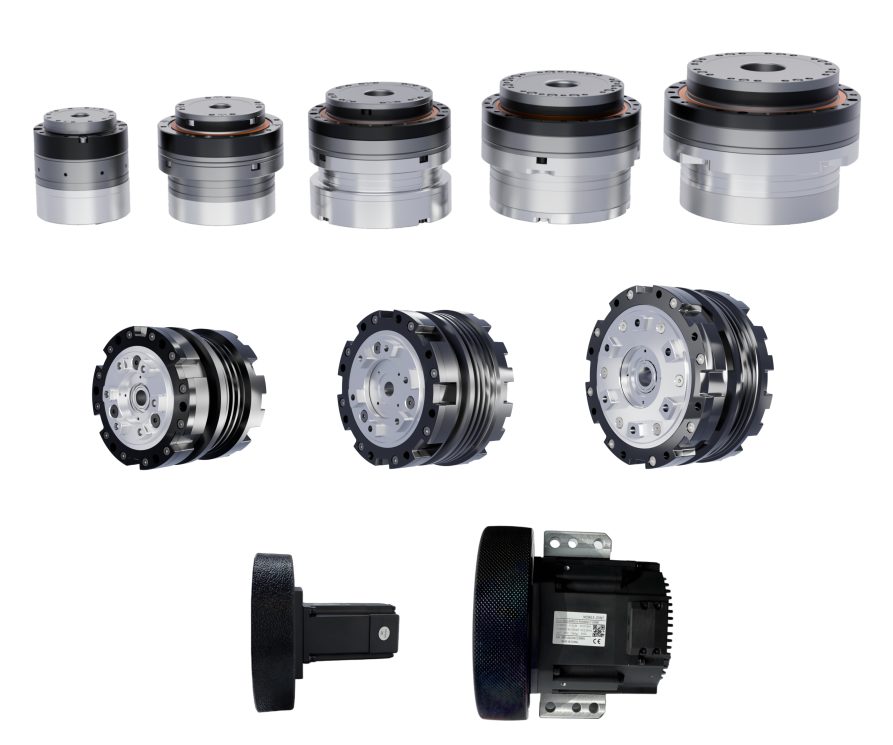
Fig 3 Joint module solutions · Leadshine · A413
Leadshine (雷赛智能) presented a joint-module family (booth A413) combining high torque density, full closed-loop control, modular design and open protocols, paired with long-life harmonic or planetary reducers. Three product lines, harmonic, planetary and wheeled joint modules, cover 18 standard models for diverse robot designs.
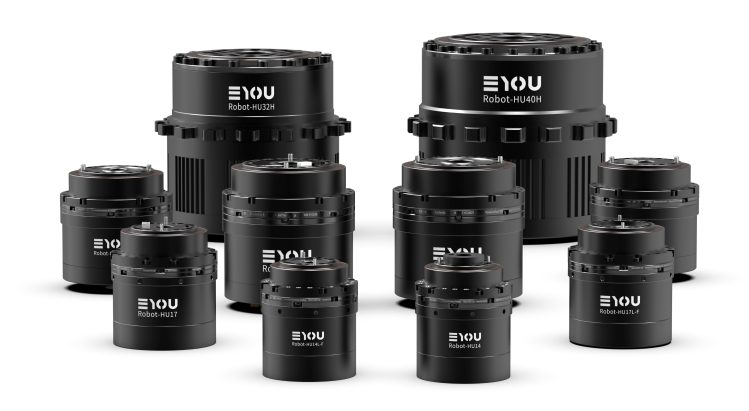
Fig 4 RHU harmonic joints for humanoids · Yiyou Tech · A408
Yiyou Tech (意优科技) exhibited the RHU series of harmonic joints built specifically for humanoids (booth A408), 30% smaller than conventional designs at equivalent torque. Optional torque sensing upgrades a position-controlled unit into a force-controlled actuator, with dual CANFD/EtherCAT protocols and built-in safe torque off (STO).
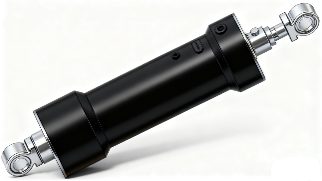
Fig 5 Linear joint modules · Schaeffler · B211
Schaeffler showed a linear joint module (booth B211) that gives humanoid legs and torso high-thrust, high-stiffness lifting and extension for carrying, picking and assisted operations. Built on ball or planetary roller screws, it delivers high load capacity and positioning accuracy in a compact envelope for logistics, consumer-electronics assembly and service robots.
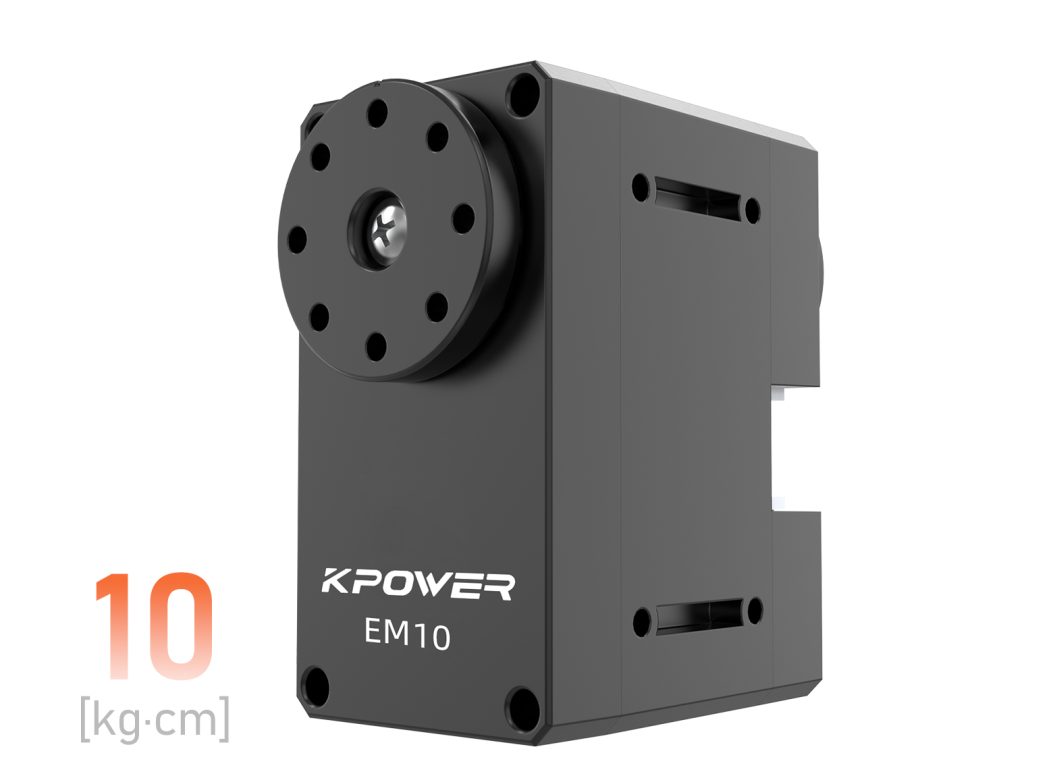
Fig 6 Force-controlled servo EM10 · Kpower · A415
Kpower (伟创动力) launched EM10 (booth A415), a force-controlled clutch servo for small consumer desktop companion robots. A 1722 iron-core motor delivers 10kg-cm of torque at up to 40rpm. TTL serial bus communication cuts wiring by 40% and supports individual ID control, while an integrated high-precision potentiometer provides stable holding torque and smooth path planning; TTL serial bus communication cuts wiring by 40% and supports individual ID control, and an integrated high-precision potentiometer provides stable holding torque and smooth path planning.
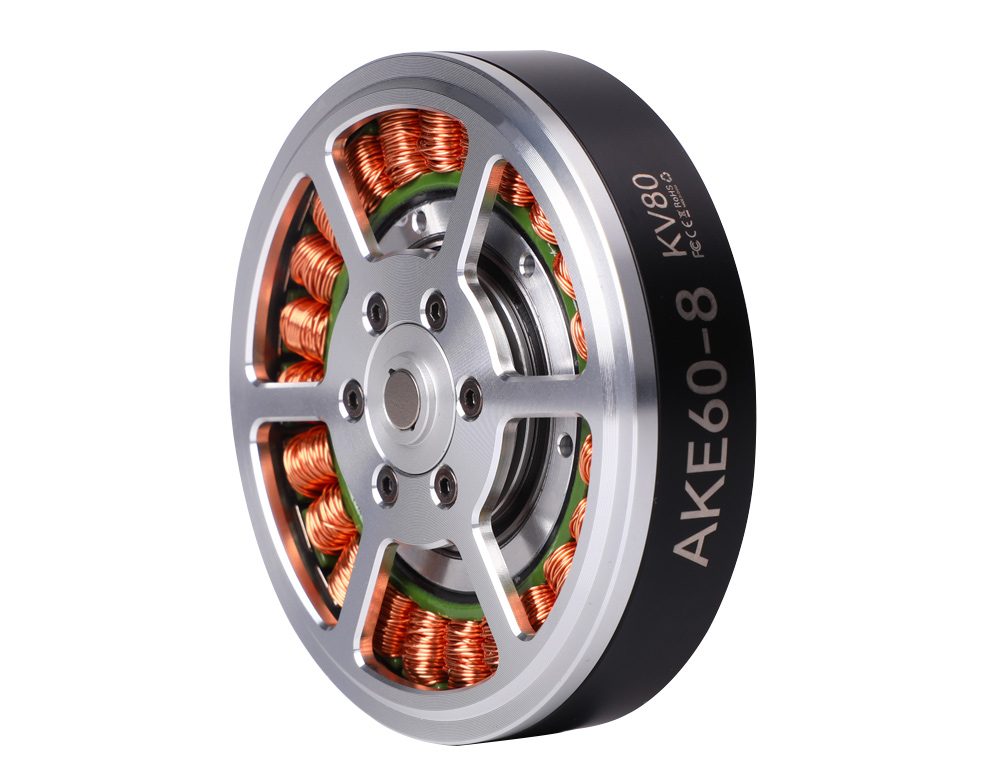
Fig 7 AKE direct-drive motors · CubeMars · A436
CubeMars (酷德智能) presented the AKE quasi-direct-drive (QDD) motor family (booth A436), ultra-thin, high-efficiency actuator modules for wearable devices and light collaborative robots. The flat, compact design keeps strong torque output while cutting weight and thickness; low-impedance windings and agile torque response read human motion intent for compliant assistance in body support, rehabilitation and industrial exoskeletons.
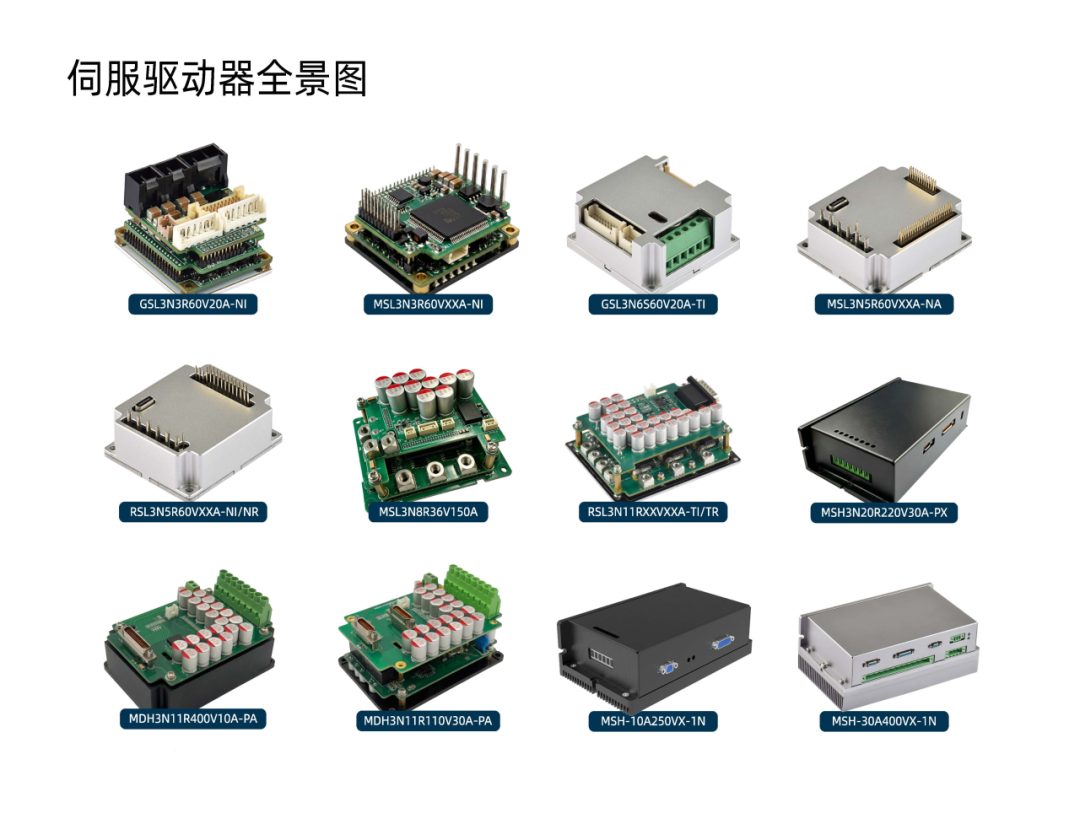
Fig 8 Servo drive series · Leen Automation · C116
Leen Automation (乐恩自动化) exhibited servo drives (booth C116) spanning aerospace-grade WindB, military RiverY and MountG, medical HeartR and industrial GearA series, more than 20 models across 3R, 5R, 6S, 11R and 16R voltage classes, for aerospace, satellite communications, special equipment, marine, robotics, nuclear, medical and rail applications.
Reducers and transmission: three competing routes
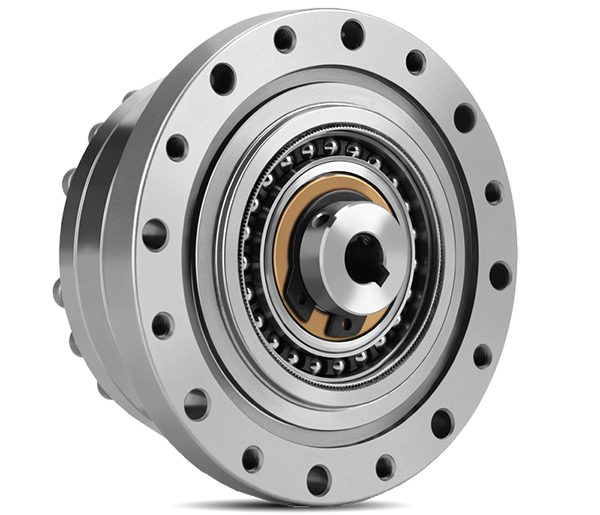
Fig 9 FS series harmonic reducers · Laifual Drive · A316
Laifual Drive (来福谐波) brought its FS series harmonic reducers (booth A316), covering FSS, FSN, FSG and FSD sub-families for industrial robots, service robots, machine tools, medical devices, testing equipment, energy and paper machinery.
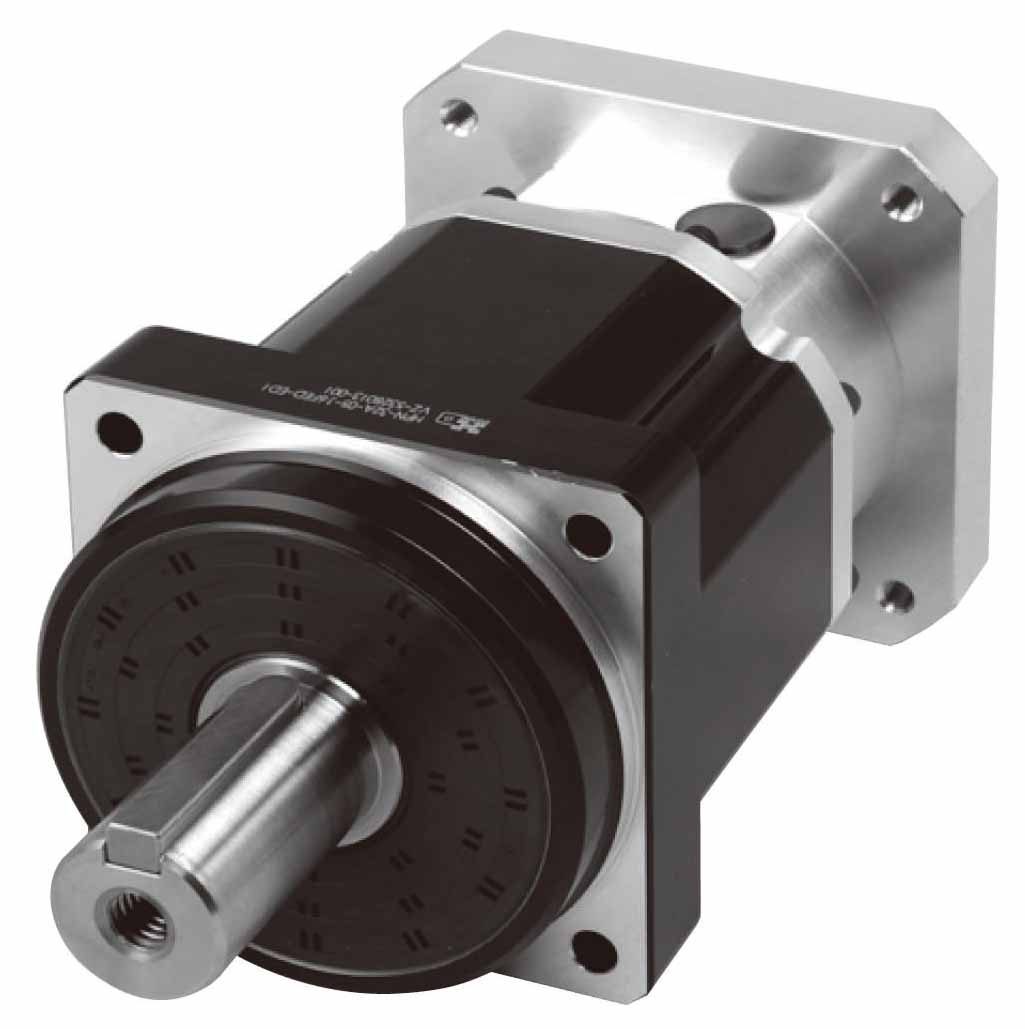
Fig 10 Planetary gearbox · Harmonic Drive · B110
Harmonic Drive presented a planetary gearbox (booth B110) for low-ratio applications. Its Harmonic Planetary line uses a special internal-gear deformation process that eliminates backlash between the planetary gear teeth for high-precision transmission.
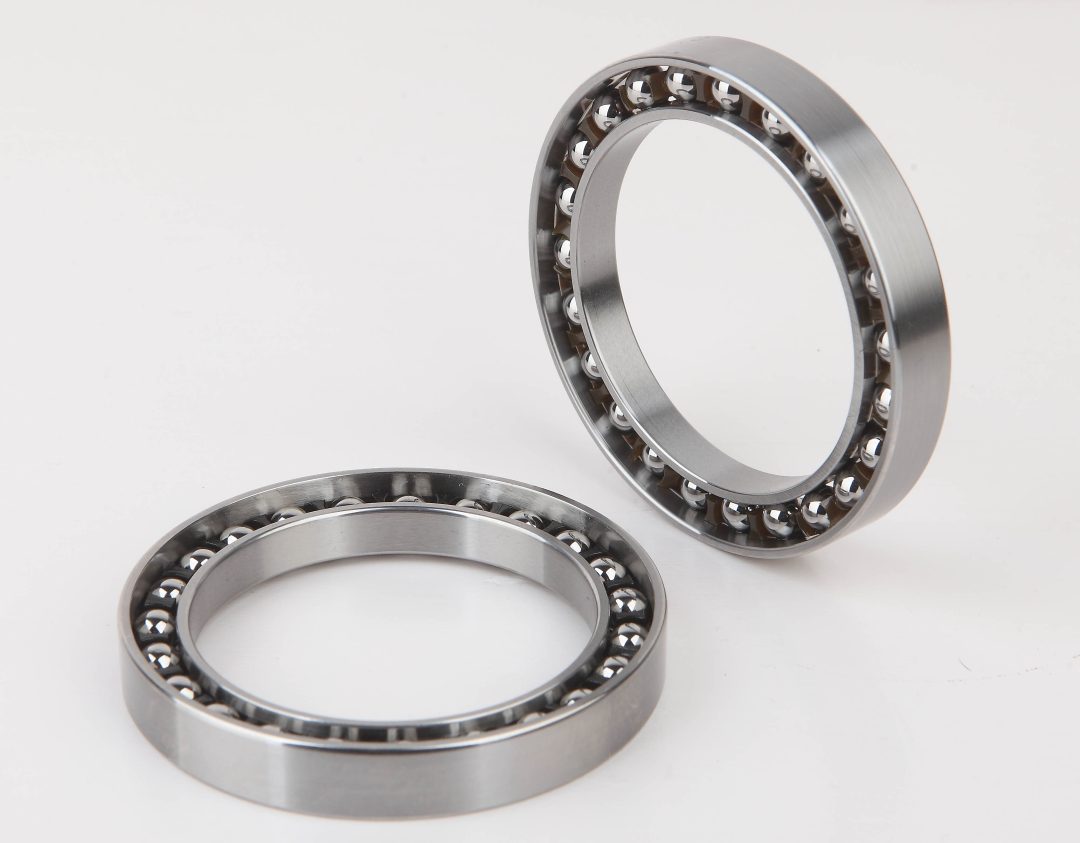
Fig 11 Flexspline bearings for harmonic reducers · Jiangsu Risheng Bearing · D401
Jiangsu Risheng Bearing (江苏日晟轴承) showed flexspline bearings for harmonic reducers (booth D401), in metric 617 series and imperial series.
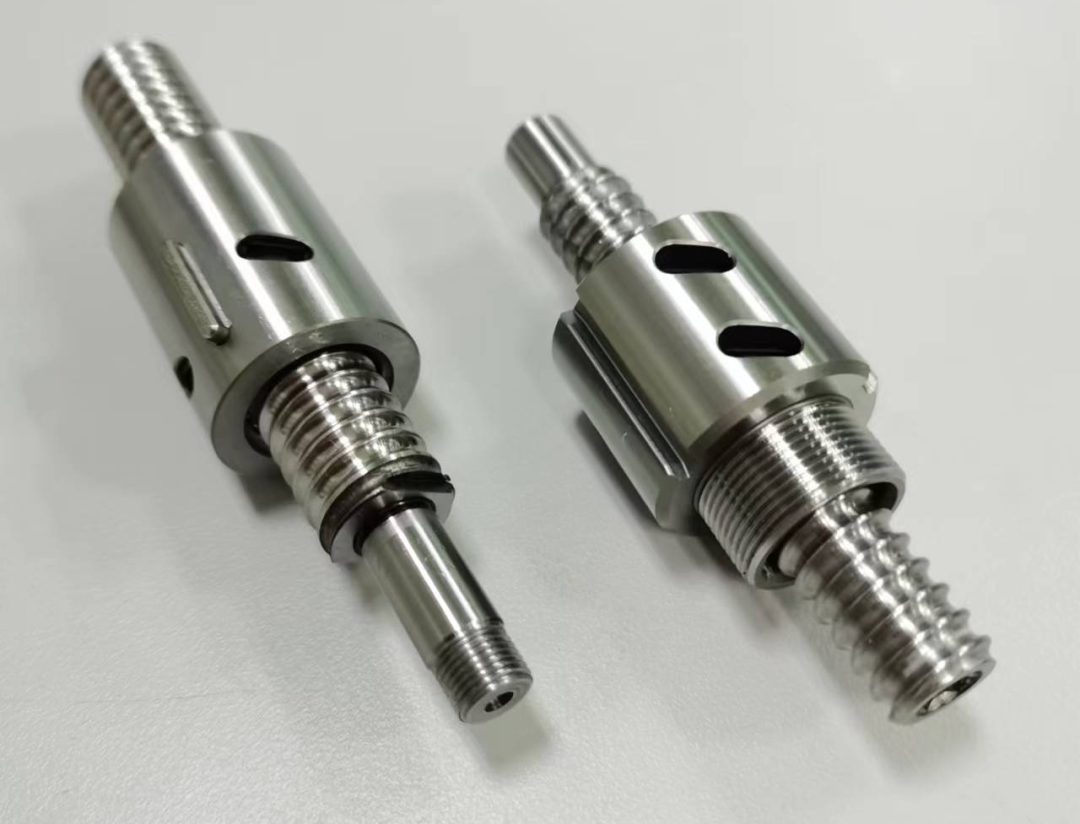
Fig 12 Ball screws · Nanfang Precision · A312
Nanfang Precision (南方精工) displayed ball screws (booth A312), a special helical transmission converting rotary motion to linear motion or the reverse. Compared with conventional sliding screws, ball screws offer higher efficiency, reversibility, synchronization, precision and service life.
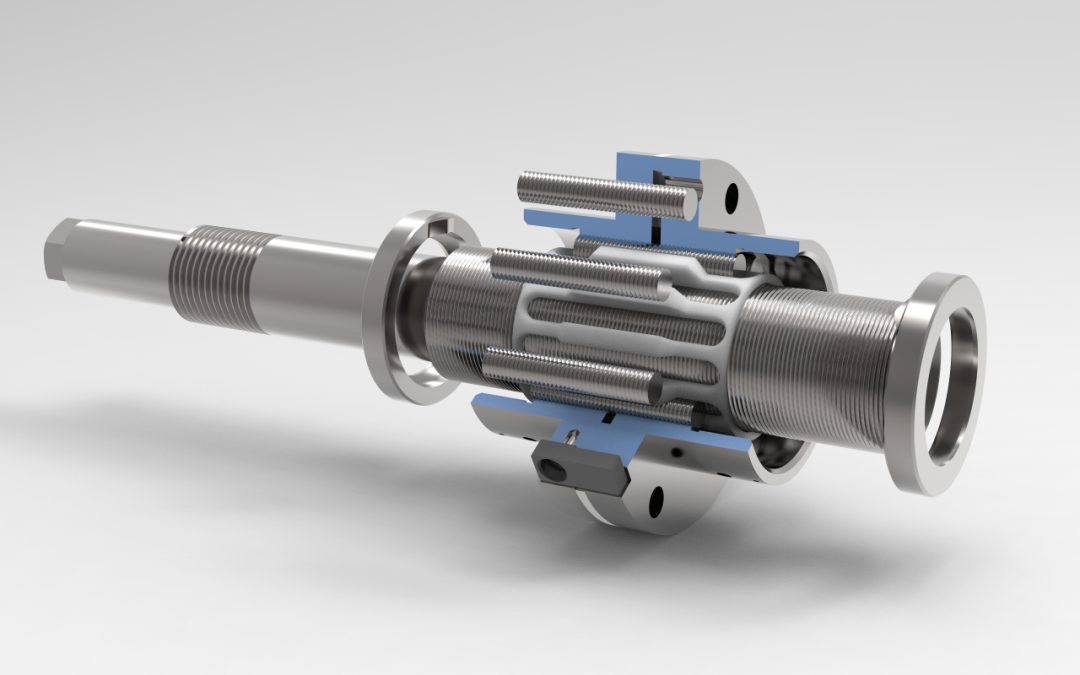
Fig 13 High-precision planetary roller screws · Kefeng Intelligent · A318
Kefeng Intelligent (科峰智能) exhibited high-precision planetary roller screws (booth A318): 8-100mm diameter, 1-40mm lead, up to 1m length, P1-P5 accuracy. Load is transferred through rolling contact, giving 300% higher load capacity through multi-point contact, positioning accuracy of ±0.005mm, more than 100,000 hours of service life, speeds up to 5,000rpm with 4g acceleration, and custom options.
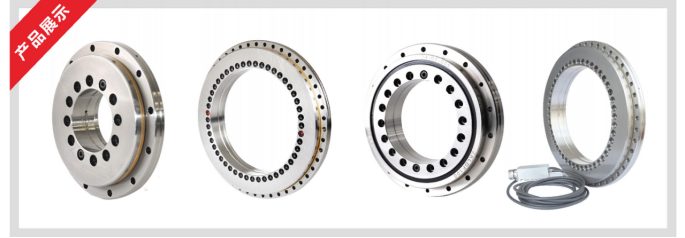
Fig 14 High-precision turntable bearings · Hongyuan Bearing · A320
Hongyuan Bearing (鸿元轴承) brought high-precision turntable bearings (booth A320): HRTG standard, HRTGS high-speed, HKLDF thrust angular contact ball and HRTGM with integrated angle measurement, for CNC turntables, dividing heads, radar, aerospace and metrology. The HRTGM family integrates a steel grating into the bearing, reaching angle accuracy of ±1 arc-second.
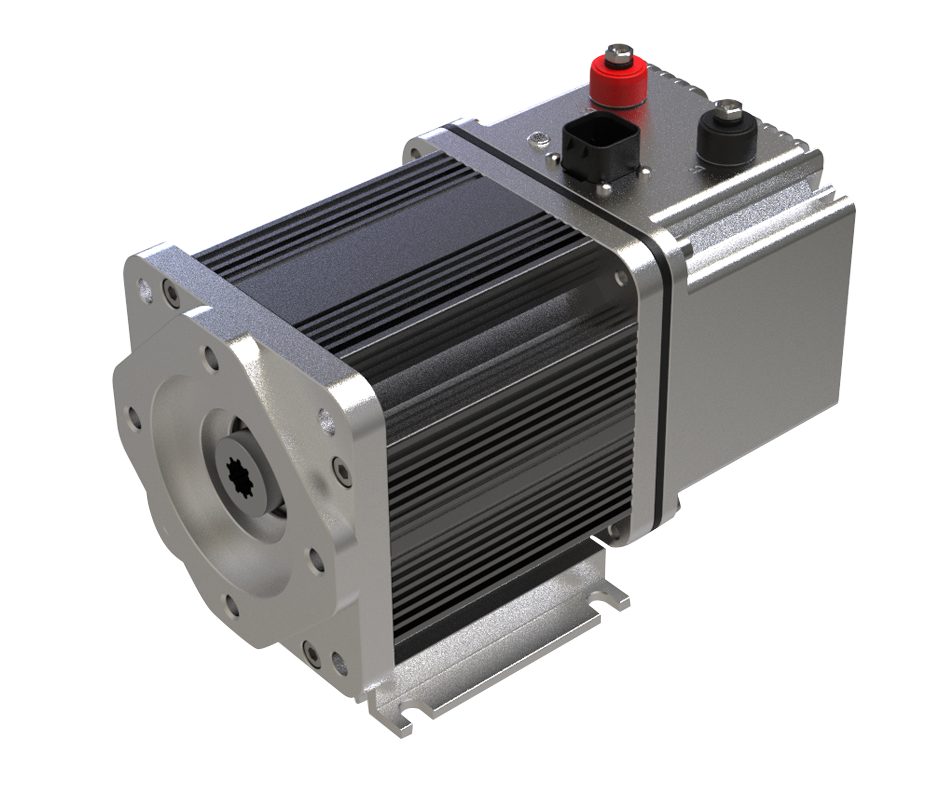
Fig 15 Hydraulic pump station · Shandong Manda Intelligent · A422
Shandong Manda Intelligent (山东曼大智能) showed an integrated hydraulic pump station (booth A422), 24-96VDC, 1.5-5kW, for scissor lifts, boom lifts, DC-powered variable-frequency hydraulic power units, electric-assist steering for construction machinery and special-vehicle traction drives.
Chapter 1 industry read
Fifteen exhibits, three signals.
First, integrated joint modules are a clear industry direction. PHYBOT, TC Drive, Leadshine and Yiyou Tech, four companies of different backgrounds, all pack reducer, motor, encoder, drive and communication protocols into a single joint; TC Drive integrates an output torque sensor directly, and Yiyou offers one as an option. Integration cuts assembly work for robot makers and shortens the supply chain, at the cost of a higher price per joint that only high-volume production can recoup.
Second, three reducer routes are running in parallel. Harmonic reducers still dominate service and humanoid joints, with Chinese makers such as Laifual Drive competing head to head with foreign brands such as Harmonic Drive. Cycloidal joint modules favor high stiffness and heavier loads. Planetary roller screws are moving from machine tools into humanoid linear joints: Kefeng's 5,000rpm and 4g figures point to a performance race in high-dynamics linear actuation.
Third, the application envelope of motion components is widening. From consumer servos (Kpower EM10) to aerospace drives (Leen Automation), from exoskeleton power (CubeMars AKE) to hydraulic pumps (Shandong Manda), motion suppliers no longer serve industrial robots alone. Diversifying across humanoids, exoskeletons and special equipment gives component makers a revenue base while embodied AI commercialization is still early.
Chapter 2: See, Compute, Control
When a robot enters a real environment, it first needs to know where it is, what surrounds it, and what to do next. Cameras, spatial sensors, lidar, and attitude and position sensors gather information about the robot and its environment; chips and computing platforms process it; communication and control systems turn it into decisions and actions.
The exhibits in this chapter split into three layers: perception (lidar, vision, IMU, spatial awareness), computing (robot chips and platforms), and control and communication (encoders, MCUs, wireless links).
Perception: lidar goes robot-specific
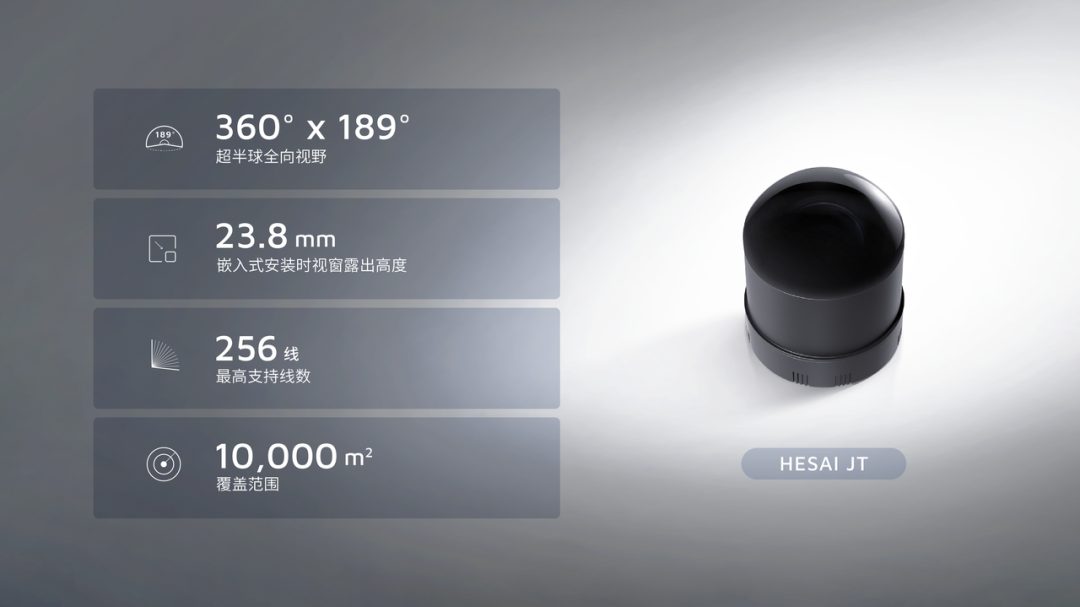
Fig 16 JT series ultra-hemispherical lidar · Hesai · B305
Hesai (禾赛科技) brought the JT series mini ultra-hemispherical 3D lidar (booth B305), a platform product built for robotics on its fourth-generation in-house chip architecture. It claims the industry's widest field of view at 360° x 189°, in a miniature form factor that hides inside a robot body and delivers zero-blind-spot 3D perception even for objects right next to the sensor. The JT series supports up to 256 lines, raising the ceiling for mini 3D lidar.