Live Briefs 2026-10-03 · Full coverage of embodied AI
A Unitree G1 in the Operating Room: What the First Live Surgery by a Humanoid Robot Actually Shows
On July 8, 2026, engineers and surgeons at the University of California San Diego published a paper in Nature reporting that two teleoperated humanoid robots had performed laparoscopic gallbladder removals on live pigs. The platform was an off-the-shelf Unitree G1, nicknamed Surgie, standing five feet tall and weighing 60 pounds. The dedicated surgical system it was measured against weighs about 1,800 pounds. The paper also supplies the numbers that matter: straight-line tracking error of about 1.3 millimeters, circular tracking error of about 10.4 millimeters, and 156 milliseconds of latency. Across two dry-lab tasks the humanoid already beat unassisted human hands, while remaining clearly behind the da Vinci Xi. This article unpacks that scorecard, and the four gates still standing between the robot and a clinical operating room. **Article structure** : - 1. The Surgical Record: Two Live Porcine Cholecystectomies - 2. Why a General-Purpose Humanoid: Footprint, Reach and Cost - 3. Measuring Precision: Straight Lines, Curves and 156 Milliseconds - 4. Four Gates Before Clinical Use: Sterility, Ports, Recalibration and Remote Operation - 5. Conclusion: What the First Time Proves, and What It Does Not

D-Robotics' $400 Million Series C: What 8 Million Chips Say About the Robot Chip Business
On Sept. 17, D-Robotics said it raised $400 million in a Series C round led by Mirae Asset of South Korea, its third round this year. The company does not build robots. It sells the chips that go inside them. The announcement carried three numbers: $400 million raised, 8 million chips shipped to date, and coverage of more than 50% of customers in embodied AI. The three numbers describe the same business, yet they point in different directions. The announcement does not say which machines took those 8 million chips, or how the 50% was calculated. Article structure: - 1. $400 Million: A Third Round This Year, No Valuation Disclosed - 2. 8 Million Chips: Where They Went - 3. "Over 50% Coverage": One Metric, Three Versions - 4. Spun Out of Horizon Robotics: Engineering Lineage and Product Boundaries - 5. Conclusion: Revenue Structure and Three Metrics to Watch

Agility: Digit 5 humanoid built on years of field deployment
Agility says its humanoid Digit 5 is designed around lessons from years of real-world deployment. According to the company, the hard part was never the task itself, but everything a real facility demands around the robot. @robotreport covered Digit 5's new legs, batteries and safety upgrades.
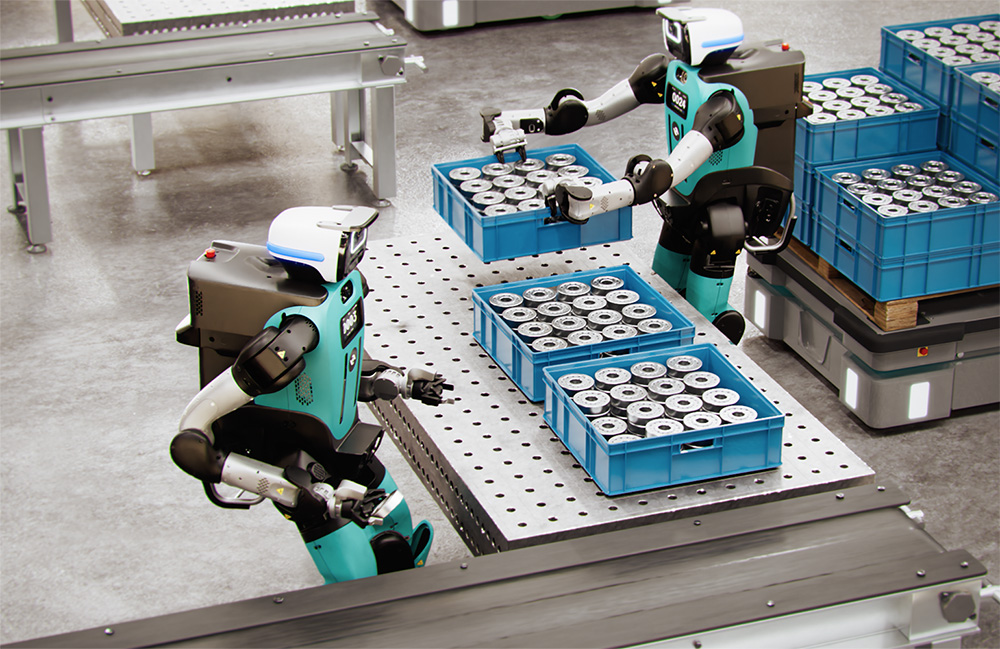
Figure releases Helix 2.5 after 30-home Bay Area test
Figure released Helix 2.5. The company rented 30 homes in the Bay Area and said the robots arrived with no additional training and started doing useful work on site.

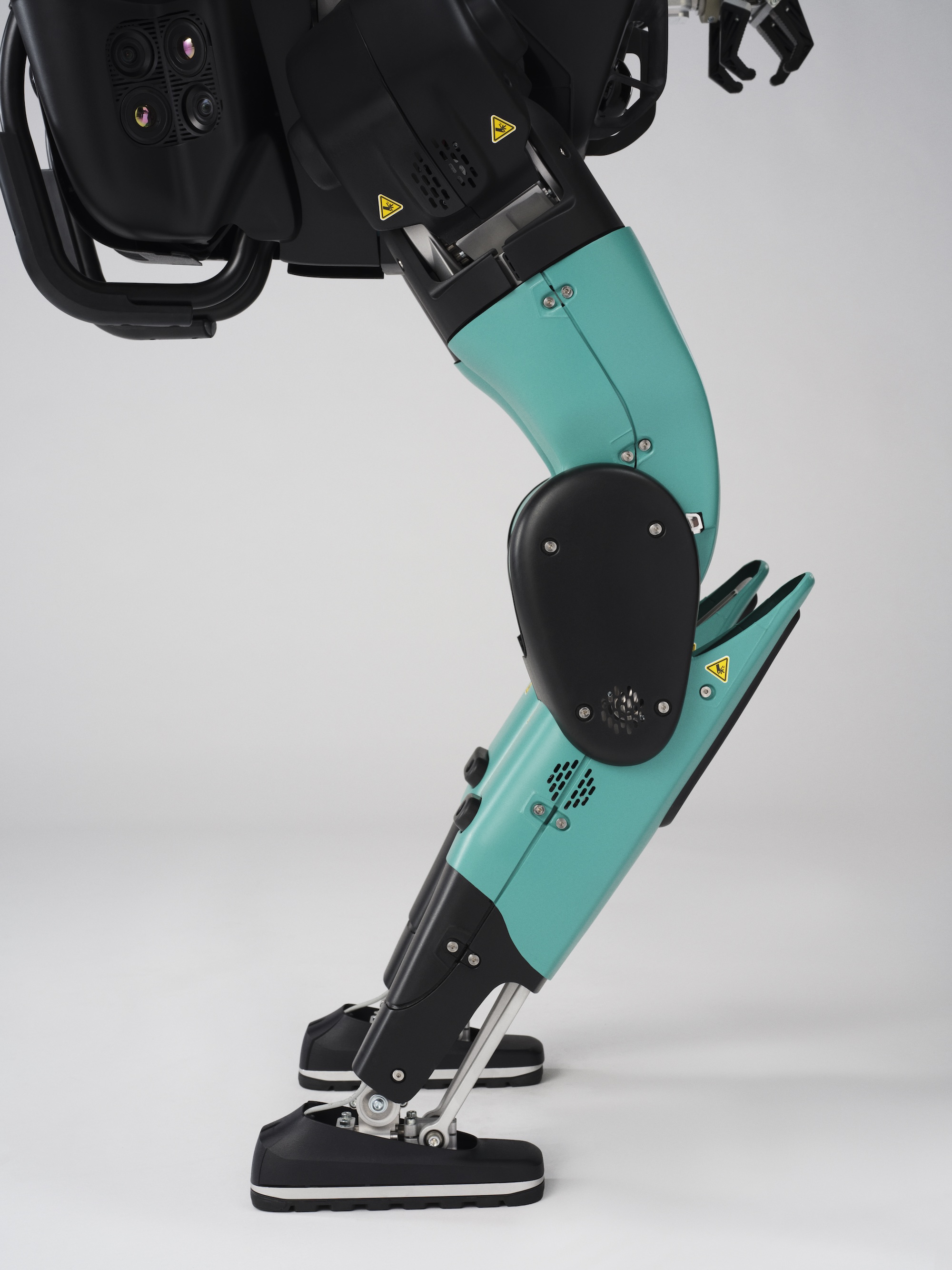
Agility redesigns Digit 5 leg for low squatting and heavy lifting
Agility says Digit spent years in a bird-like stance tuned for efficient, dynamic motion. Digit 5 is being engineered with a redesigned leg for the other half of real work: squatting low and lifting heavy loads off the floor the way a person does. Agility credits coverage from @bheater and @a3automate.
XPeng's He Xiaopeng Says Robot Development Is 20 Times Harder Than Cars
XPeng chairman He Xiaopeng says developing robots is about 20 times harder than building cars, adding that the company's robot capabilities may jump as mass production starts around the fourth quarter and early next year.
Tesla Accelerates Optimus Robot Mass Production with New China Supply Chain Audit
Tesla has reportedly launched a new round of supplier factory audits in China for its Optimus robot program. A team arrived in Ningbo on Sept. 16 and began audits on Sept. 17 to assess mass-production exclusivity and consistency.
Jianshe Industry Highlights Civilian Applications of Multi-Functional Legged Robots
Jianshe Industry (002265.SZ) announced that its multi-functional legged robots are primarily used in civilian applications such as routine inspection, security, material transport, disaster rescue, and mine clearance.
Chuangshiji (300083.SZ): Multiple Products Can Be Used for Precision Machining of Humanoid Robot Parts
Chuangshiji (300083.SZ) said on September 17 that it has cooperative relationships with some robotics customers and their component processors, and that several products—including drilling and tapping machines and various machining centers—can be used for precision machining of certain humanoid robot components.
Shangluo Electronics Says It Is Supplying Components in Small Batches to Robot Makers
Shangluo Electronics (300975.SZ) says robotics is a key expansion area, though current business volume remains small, and it is working with some robot makers on small-batch component supply. The company notes future commercialization will depend on the downstream industry's development pace.
Arm Launches Total Design for Physical AI With Over 80 Developers
Arm Holdings has launched Arm Total Design for Physical AI, an ecosystem of more than 80 companies spanning software, silicon, sensors, and robotics. The company also introduced a six-level Robotics Capability Framework, partly inspired by SAE's autonomous-driving levels, to create a shared vocabulary for robot capabilities.
Lumos Robotics teases robot theater show in Shenzhen on Sept 19
Lumos Robotics has teased its coming Lumos Robot Theater show, described as a mix of robots, music, dance and lights. The performance is set for September 19 in Shenzhen, and the company says it is only the beginning.

NEURA Robotics publishes article on data sovereignty
NEURA Robotics has written an article on data sovereignty in cognitive robotics and invited readers to take a look.
NEURA Robotics: would you share process data to train robots?
NEURA Robotics says a cognitive robot only gets as good as the data it learns from in real production environments. That same data, however, encodes a company's process knowledge: grips, tolerances and failure cases, which is why many firms hesitate to share it. The company asks followers whether they would feed process data into a shared robot training network.
NEURA Robotics article covers data sovereignty in cognitive robotics
NEURA Robotics published an article on data sovereignty in cognitive robotics, following its post asking whether companies would share process data to train robots.
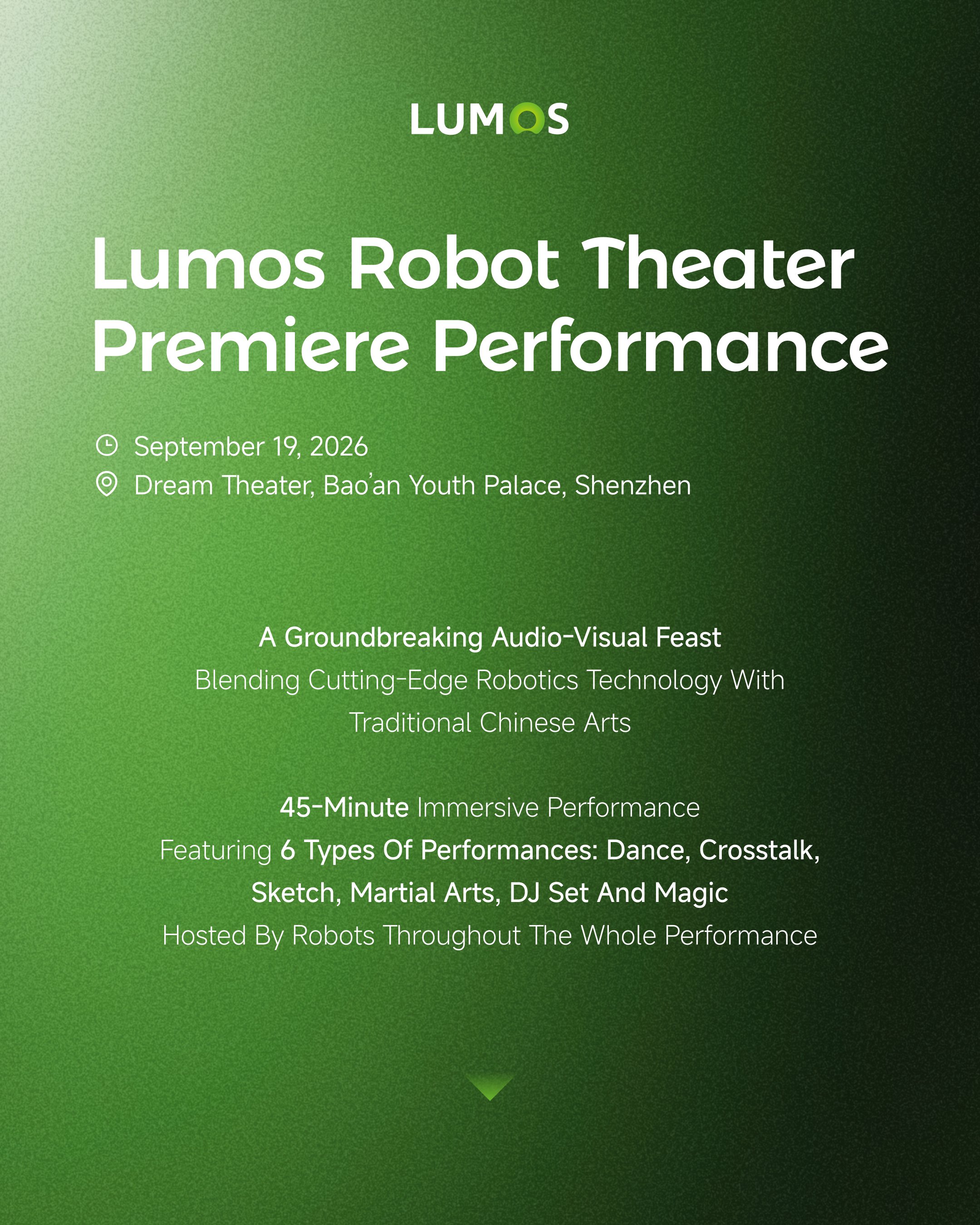
Lumos Robot Theater to Stage 6 Robot Performance Formats
Lumos Robotics says its Lumos Robot Theater will bring six performance formats together in one live show, spanning robot dance and martial arts to crosstalk, DJ sets and magic. The event is set for September 19 at 3:00 PM at Bao'an Youth Palace in Shenzhen. The post invites followers to swipe through the lineup to see what is coming.
AGIBOT A3 Ultra Moves from Mass Production to Real Deployments
AGIBOT says its A3 Ultra humanoid is moving from mass production into real-world deployment, already working in hotels, auto dealerships, supermarkets and metro inspection scenarios, with more deployments underway. The robot is built for continuous operation and can work autonomously, take on different tasks and collaborate with other robots. AGIBOT frames the rollout as humanoid robotics moving beyond demos into everyday operations.

COFE+ Gen7 Coffee Robot Debuts at Xiangshan Forum with 58-Second Latte Art
COFE+ Gen7 coffee robot demonstrated at the Xiangshan Forum, producing a customized latte art coffee in 58 seconds. Haitun Robotics says the system uses AI and fluid dynamics for stable, repeatable output, with deployments in 70 countries and regions.
Huizhou Zhongkai Embodied Intelligence Industrial Park Approved with 1.031 Billion Yuan Investment
The Huizhou Zhongkai Embodied Intelligence Industrial Park infrastructure platform has been approved with a total investment of 103.1 million yuan. The project will deploy 80 intelligent robot workstations, 4,800 IoT points, and comprehensive digital systems to support tenant robot companies.
Leapmotor Announces Fully Self-Developed Embodied AI Robot with All Core Components In-House
Leapmotor announced at its 2026 Tech Day that it has developed a fully self-researched embodied AI robot, with all core components including motors, controllers, batteries, perception algorithms, and computing platforms developed in-house. The company aims to leverage its automotive technology stack for robotics and seeks commercially viable applications beyond lab prototypes.
51WORLD APER Embodied AI Business Surpasses 200M Yuan in Orders Within a Month
51WORLD's stock rose after announcing that its APER embodied intelligence business, launched on August 18, has accumulated over 200 million yuan in orders in less than a month. The company expects more than 90% of these orders to be delivered in mass production by year-end.
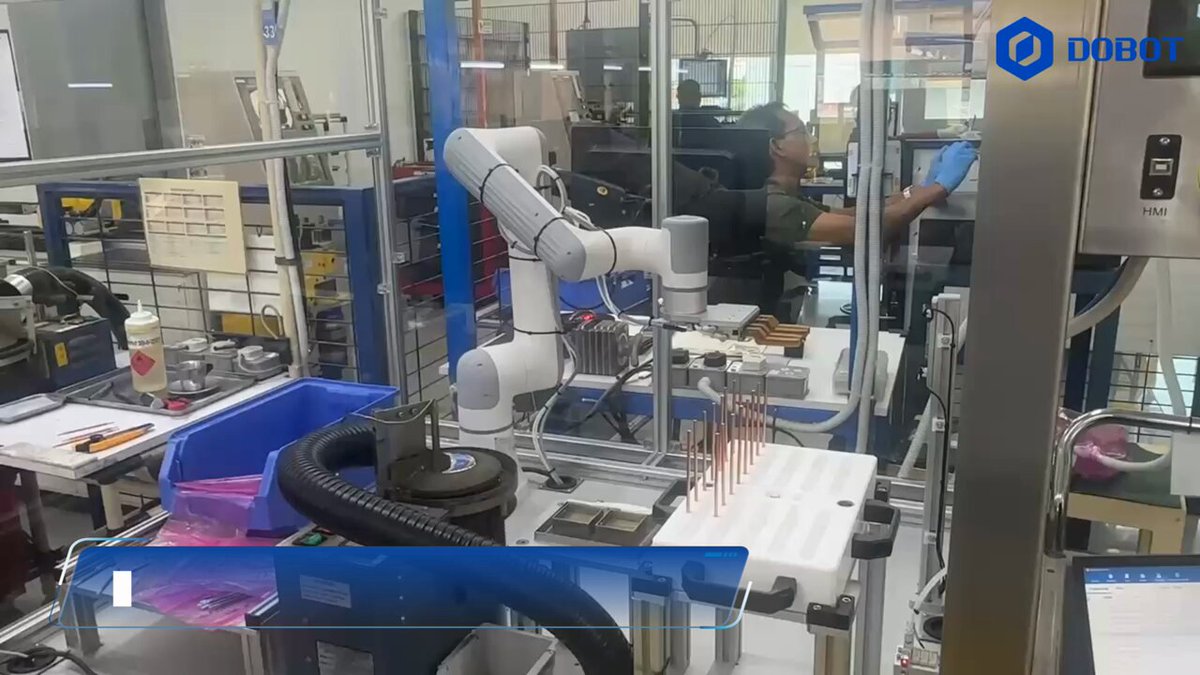
DOBOT Nova 5 handles copper rod dip coating in Malaysia
Dobot Robotics says its Nova 5 robot is running a copper rod dip coating application in Malaysia. The company states the robot delivers smooth, repeatable movement that supports a stable and efficient coating process, and frames consistent motion as the starting point for smarter coating work.
Xingyuan Robotics Launch Nears as Robotics ETF Jumps Over 1.5% Intraday
Ahead of Xingyuan Robotics' Q1 and T1 consumer robot launch, robotics shares and the Huatai-PineBridge robotics ETF climbed intraday on September 17, with Fengta Technology up 9.83%. The market is pricing the event in early, and observers say pricing and delivery timelines will matter more than specifications.
9th China Robot Summit Opens in Hangzhou with Five Zones Covering Hardware to Scenarios
The 9th China Robot Summit opened on Sept 17 in Hangzhou Future Sci-Tech City under the theme of a smart-connected ecosystem for the robot+ era. Its five exhibition zones and forum topics span humanoid and embodied AI, industrial, service, medical and supply chain, with humanoid robot testing and certification emerging as a key standardization issue.
Xingfa Group: Smart Rock Drilling Robots Serve Own Mines Only
Xingfa Group said at an earnings briefing that intelligent rock drilling robots developed with partners are mainly used in its own mines. The company has no plans to sell them externally for now.
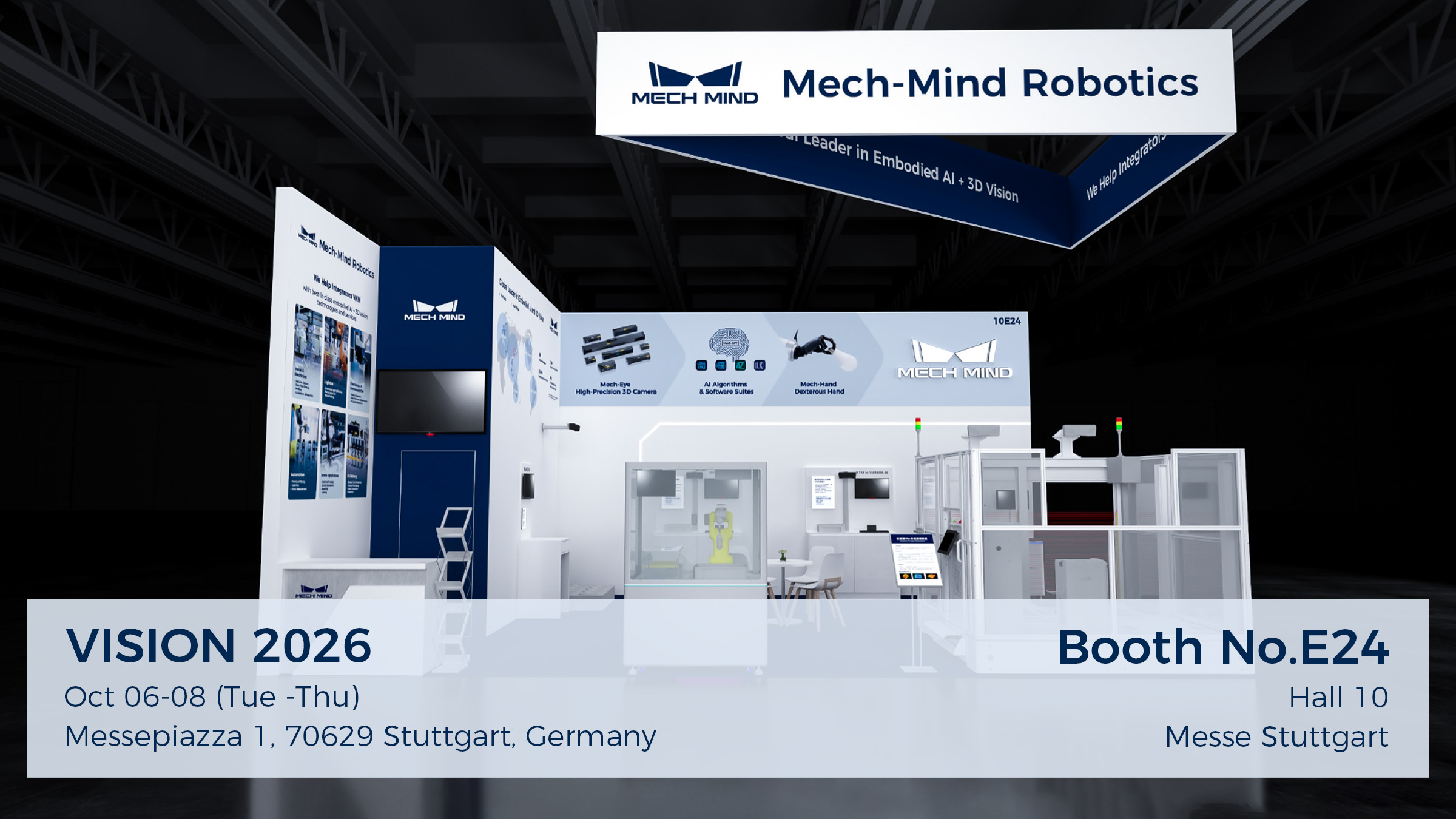
Mech-Mind to Showcase Eye-Brain-Hand Tech at VISION 2026
Mech-Mind Robotics will exhibit at VISION 2026 in Germany, presenting its Eye-Brain-Hand approach that combines 3D perception, AI-powered decision-making and robotic manipulation. At its booth the company promises live demos of embodied AI plus 3D vision across multiple industries, with robots perceiving challenging real-world objects and environments, alongside demonstrations of intelligent robotic solutions.
Robots for Rent, Not Sale: QingTianZu Turns 'Work' into a Priced Commodity
At its September 16 ecosystem partner conference in Shanghai, QingTianZu CEO Li Yiyan argued that a robot's model no longer determines commercial success; instead, value lies in the work it performs and the business return it generates. The company showcased real RaaS deployments and introduced Worken, a unit to quantify robot productivity, aiming to shift the industry from hardware sales to service scheduling.
LimX Luna Robots Stage Group Dance at 2026 CHINA GT
Five LimX Luna humanoid robots from LimX Dynamics performed an autonomous group dance at the 2026 CHINA GT Opening Ceremony. The company said the routine relied on stable whole-body motion control and intelligent multi-robot coordination, bringing a fusion of technology and speed to the racetrack. LimX Dynamics said the appearance expands possibilities for humanoid robots in motorsports, live entertainment and commercial events.

Robot ETFs Rise Nearly 1% as QingTianZu Launches Seven Robot RaaS Products
On September 17, robot-concept stocks strengthened, with the CSI Robot Index up 0.95% and related robot ETFs rising nearly 1%. The move followed QingTianZu's launch of seven robot RaaS products.