Live Briefs 2026-10-03 · Full coverage of embodied AI
A Unitree G1 in the Operating Room: What the First Live Surgery by a Humanoid Robot Actually Shows
On July 8, 2026, engineers and surgeons at the University of California San Diego published a paper in Nature reporting that two teleoperated humanoid robots had performed laparoscopic gallbladder removals on live pigs. The platform was an off-the-shelf Unitree G1, nicknamed Surgie, standing five feet tall and weighing 60 pounds. The dedicated surgical system it was measured against weighs about 1,800 pounds. The paper also supplies the numbers that matter: straight-line tracking error of about 1.3 millimeters, circular tracking error of about 10.4 millimeters, and 156 milliseconds of latency. Across two dry-lab tasks the humanoid already beat unassisted human hands, while remaining clearly behind the da Vinci Xi. This article unpacks that scorecard, and the four gates still standing between the robot and a clinical operating room. **Article structure** : - 1. The Surgical Record: Two Live Porcine Cholecystectomies - 2. Why a General-Purpose Humanoid: Footprint, Reach and Cost - 3. Measuring Precision: Straight Lines, Curves and 156 Milliseconds - 4. Four Gates Before Clinical Use: Sterility, Ports, Recalibration and Remote Operation - 5. Conclusion: What the First Time Proves, and What It Does Not

Figure: Helix 2.5 targets zero-shot home generalization
Figure says Helix 2.5 was built to answer a harder question: whether a humanoid can enter a home it has never seen and immediately get to work with its whole body, on its own. The company published a detailed technical write-up on the model.
Figure shows 4 hours of zero-shot robot work in 30 rental homes
Figure posted four hours of footage of its humanoid robot doing zero-shot work across 30 rental homes, showing the robot operating in homes it had not been trained in.

Noetix Robotics on why it is building a general-purpose robot brain
Noetix Robotics raised the question of why it is building a general-purpose robot brain now, setting out its thinking on the timing of general-purpose robot brains.

Galaxy General's Yin Fangming Talks Embodied AI as Chinese Team Probes GPT-6 Astra Limits
Galaxy General chairman Yin Fangming used the SCO Digital Economy Forum to argue for an open-collaboration path in embodied AI, as OpenAI spends billions to build a commanding data lead. Meanwhile a team tied to Galaxy General's CTO produced the first systematic test of GPT-6 Astra's capability limits in robotic manipulation.
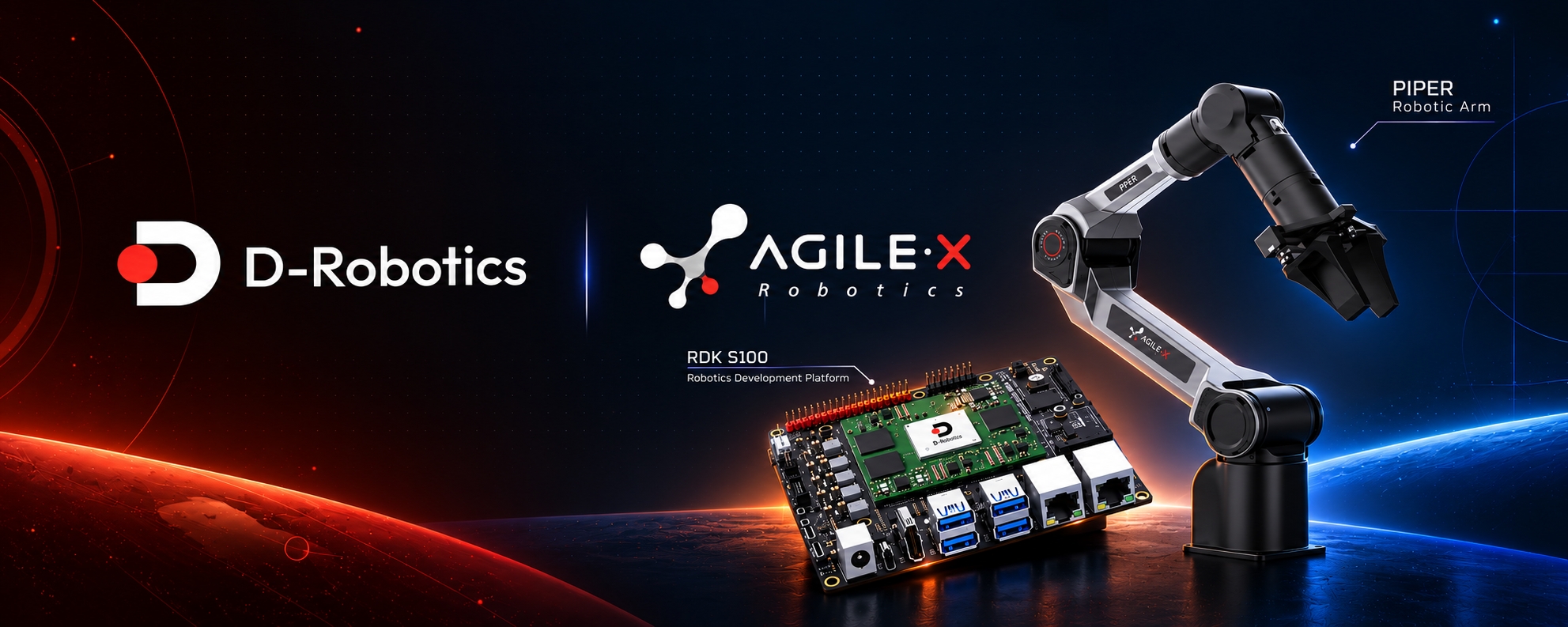
D-Robotics, Agilex to demo RDK X5 embodied AI rig at HackTheNorth
D-Robotics previewed its HackTheNorth 2026 demo: an RDK X5 board paired with an Agilex Robotics Piper arm, which the company calls the minimum viable platform for embodied AI research, with perception, decision-making and action all running on-device. The post invites people to try it at the Hardware Showcase on Sept 18 and says the next great RDK project could come from attendees.
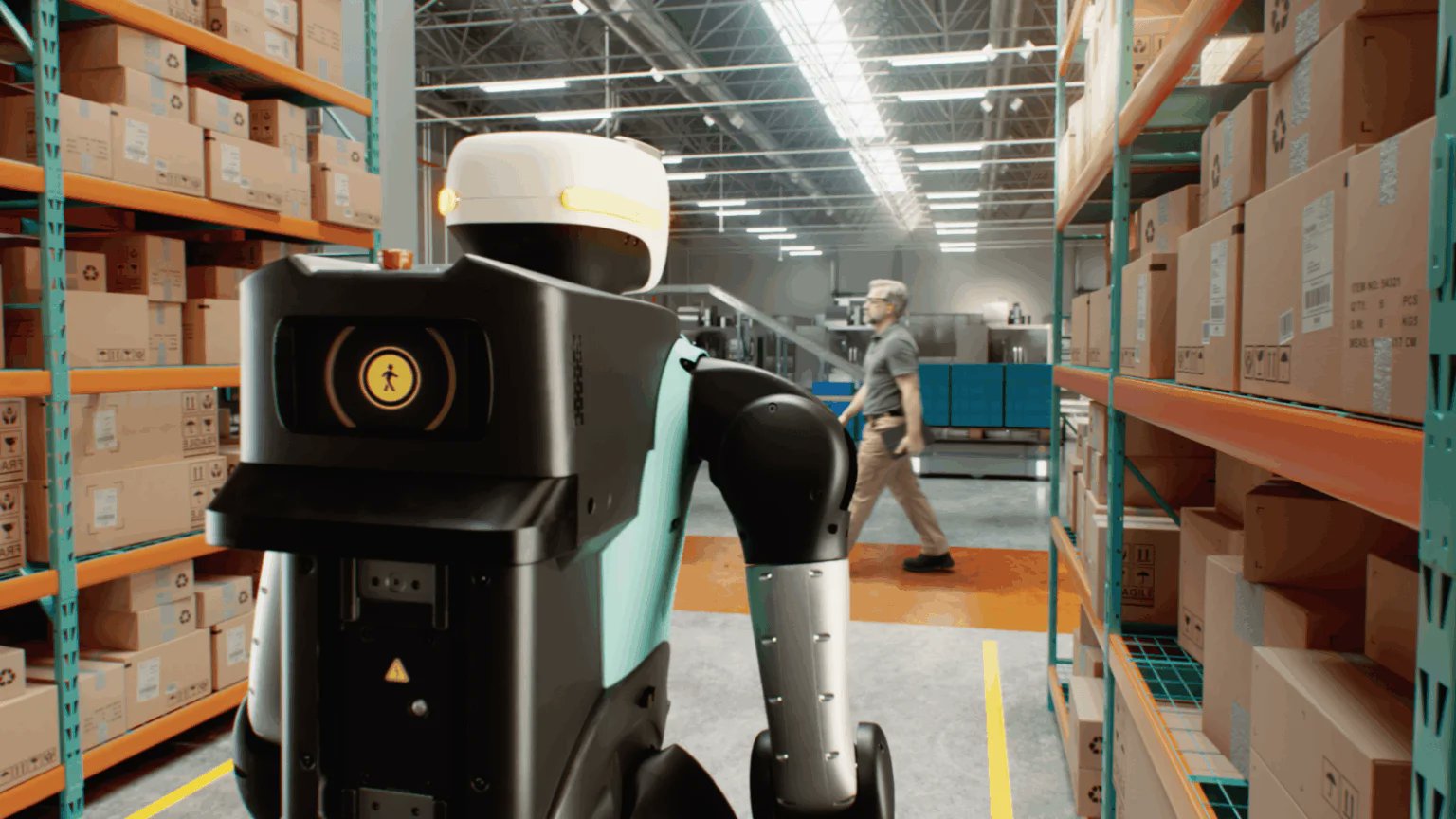
AI Insider Reviews Agility Robotics' Digit 5 Redesign
AI Insider analyzes the redesign of Agility Robotics' Digit 5 humanoid and the requirements for putting a humanoid to work at scale, covering higher payload, faster charging and a new safety system.
Rethinking Robot Safety as Physical AI Faces Layered Cyber Threats
Physical AI introduces new robot safety risks beyond component failure, because attackers can manipulate perception, decisions, and actions. Research across model backdoors, system exploits, and runtime manipulation shows cybersecurity must join functional safety throughout the robot lifecycle.
Shangpin Home Collection Open-Sources WorldSimReady-Home Dataset for Robot Training
Shangpin Home Collection and Tangyuan Technology have released WorldSimReady-Home, an open-source simulation dataset covering 100,000 square meters of high-fidelity home scenes and 10,000 interactive assets. It aims to bridge the Sim2Real gap by letting humanoid, quadruped, and wheeled robots train on standardized home tasks before deployment.
ZhiXing Robot Takes On Lacquer Fan Craft at Hong Kong Mid-Autumn Lantern Fair
ZhiXing Robot has been invited to Hong Kong's first International Mid-Autumn Lantern Festival, where its wheeled humanoid robot Hanyue will perform the traditional craft of lacquer fan making using precision force control, 3D vision and adaptive grasping. The event runs September 17-27 at Victoria Park, placing frontier robotics alongside Qinhuai lanterns and local Hong Kong lantern craftsmanship.
Israel's Physical AI Push Needs to Account for the Invisible Electromagnetic World
Israel's national AI plan designates physical AI as a strategic priority and proposes controlled testbeds, but it does not explicitly include the electromagnetic environment. Experts argue that radio propagation, jamming, spectrum congestion and digital twins must be part of validating autonomous systems, alongside roads, weather and walls.
15-Year-Old Builds Bionic Turtle Robot That Swims Without Propellers
Evan Budz, a 15-year-old student, built BURT, a bionic underwater robot that copies a snapping turtle's flipper propulsion to avoid disturbing the water it studies. It won top awards, but its 96% coral-bleaching detection result comes from controlled pool tests, not real reefs.
Hefei Team Builds Forestry Inspection Robot for All-Weather Fire Detection
A Hefei team has developed a forestry inspection robot that fuses lidar and thermal imaging to enable all-weather fire monitoring. The system reports a 27 percent coverage gain and completed multiple field tests, with the team now pushing toward industrialization.