Live Briefs 2026-10-03 · Full coverage of embodied AI
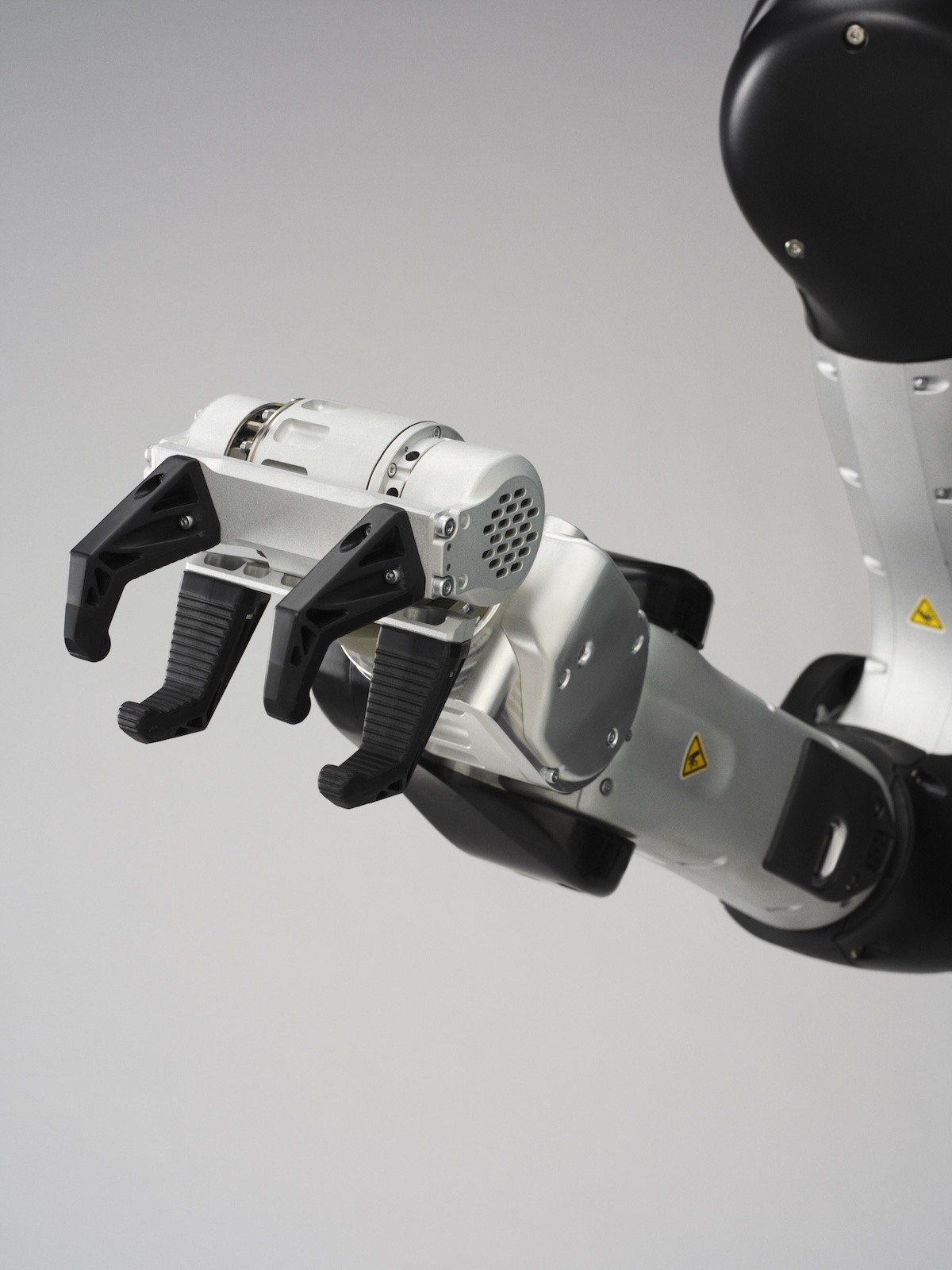
Agility: Digit 5 swaps grippers to handle multiple jobs
Agility Robotics says its Digit 5 humanoid is built around the idea of one robot doing many jobs. Swappable grippers let the machine change end effectors so it always has the right tool for a given task, allowing the same platform to cover different workflows.
Haoling Robotics' Li Jiong: Scene-Based Strategy for Industrial Embodied AI
Li Jiong, General Manager of Haoling Robotics, says that the industrialization of industrial embodied AI must be scene-driven, transitioning from specialized to general-purpose solutions to overcome the limitations of traditional robots.
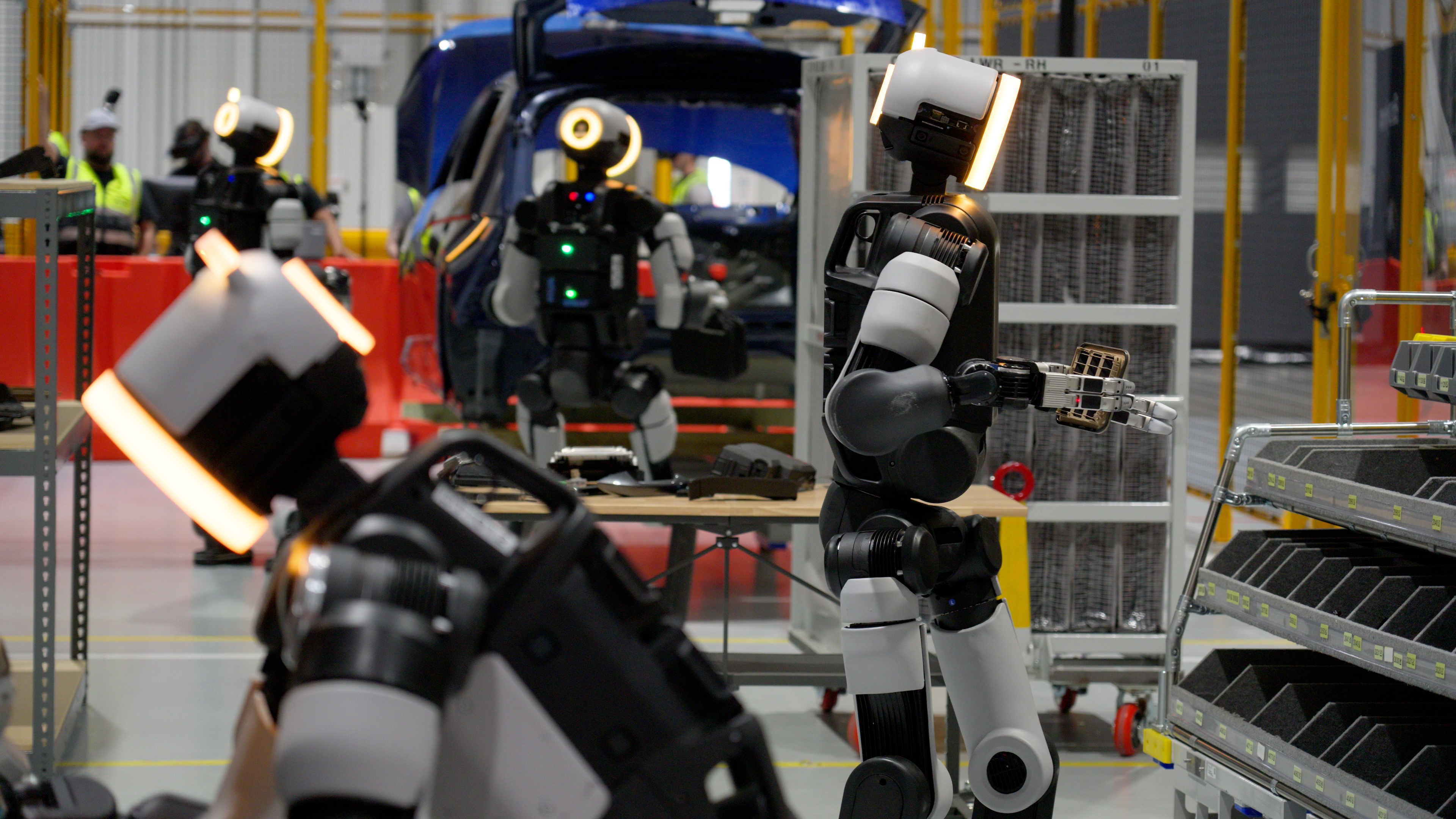
Boston Dynamics opens Atlas robot training center at Hyundai Metaplant
Boston Dynamics has launched the Robotics Metaplant Application Center (RMAC) at Metaplant America, part of Hyundai Motor Group. The site works as a testbed and training center for integrating Atlas robots directly into HMG's automobile manufacturing operations, as Boston Dynamics widens its robotics and AI strategy.
Bojie says humanoid robot testing revenue was under 1% of H1 2026 sales
Bojie Co., Ltd. (002975.SZ) said its humanoid robot testing business generated less than 1% of total revenue in the first half of 2026, as it develops camera, force sensor and microphone detection technologies for humanoid robots.
Boston Dynamics Opens Metaplant Application Center to Train Atlas Humanoid Robots
Boston Dynamics has opened the Robotics Metaplant Application Center at Hyundai's Georgia plant to train Atlas humanoids for automotive manufacturing. The facility uses real parts, teleoperation, simulation, and UMI devices to prepare Atlas for tasks like parts sequencing, with expansion planned through 2030.
D-Robotics teases appearance at ROSCon Global 2026
D-Robotics says ROSCon Global 2026 is about to open and that it will see attendees tomorrow, signaling the company's presence at the robotics developers conference.

IFR Data: Global Humanoid Robot Sales Hit About 7,000 Units in 2025
Statistics due to be released by the International Federation of Robotics show worldwide humanoid robot sales reached roughly 7,000 units in 2025, covering only industrial and professional service applications.
UBTECH ships first batch of UWORLD U1 ultra-bionic humanoid robots
UBTECH Robotics announced that the first batch of its UWORLD U1 Series ultra-bionic humanoid robots has been delivered, saying what was once science fiction is now shipping. The company added that it looks forward to bringing the U1 to more places.

Unitree launches Dex5-S dexterous hand with 22 DOF, from $6.5K
Unitree has unveiled the Dex5-S, a biomimetic dexterous hand with 22 degrees of freedom and a 1:1 human-hand form factor. Priced from $6,500 (tax and shipping excluded), all 22 joints support smooth backdrivability, and every joint carries limit impact torque protection.
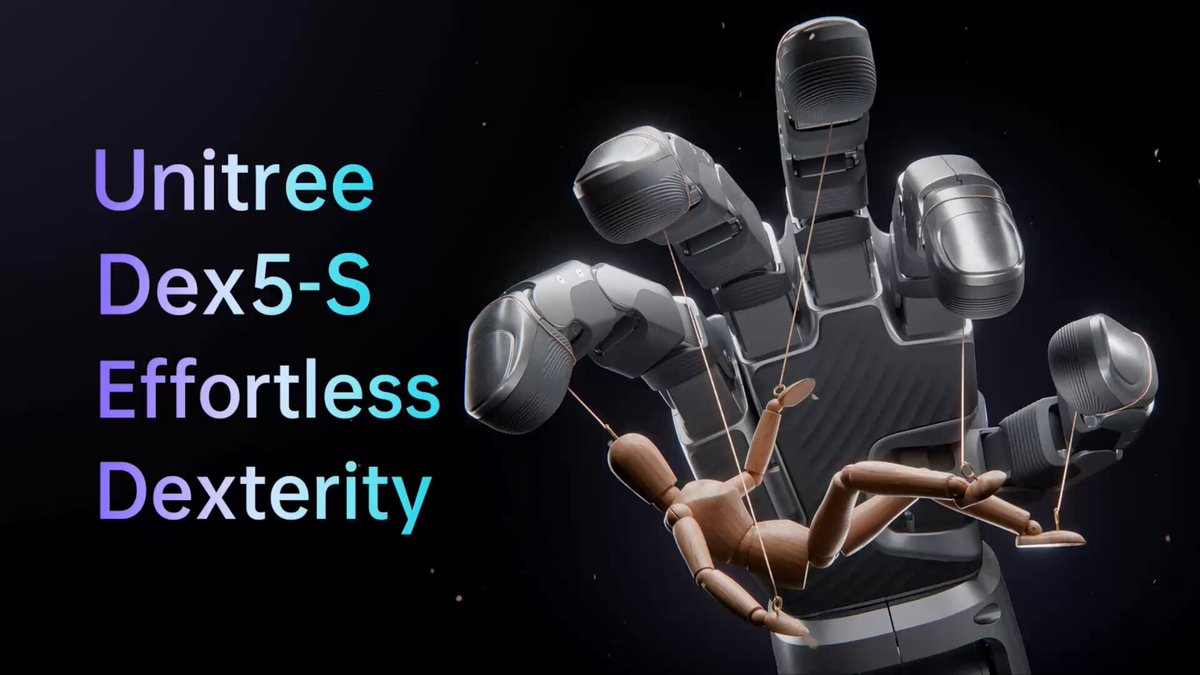
Unitree Unveils Dex5-S Dexterous Hand With 22 Backdrivable Joints and Impact Protection
On September 21, Unitree Technology unveiled the Dex5-S dexterous hand, a 1:1 human-hand-sized device with 22 joints that can all be smoothly backdriven and feature built-in peak impact torque protection.
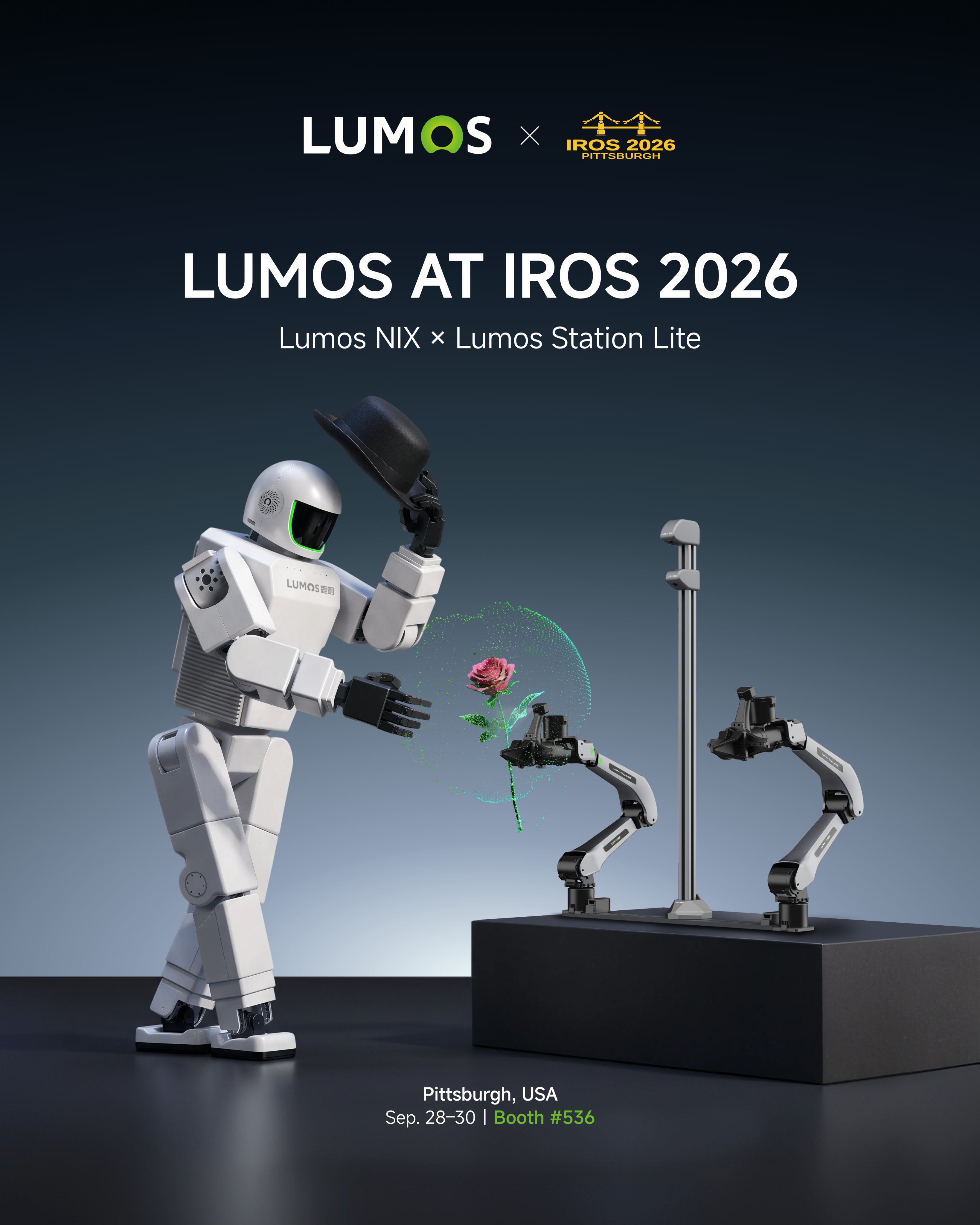
Lumos Robotics to Debut Four Products at IROS 2026 in Pittsburgh
Lumos Robotics will attend IROS 2026 in Pittsburgh from Sep. 28 to 30 and showcase four products: Lumos NIX, an AI mini bipedal humanoid; Lumos NexCore, a skill evolution engine; Lumos Station Lite, a dual-arm visual manipulation and embodied AI development platform; and Lumos Ego Vue, an egocentric data collection device.
Wuyan Intelligence, Falada Sign MOU to Bring Embodied AI to Flexible Manufacturing
Wuyan Intelligence and automotive thermal-management supplier Falada Group have signed a memorandum of understanding to validate a "physical AI brain" on flexible manufacturing workstations. The partners frame Falada's high-mix, fast-change production lines as a representative testbed for embodied AI.
Hony Culture Unit Signs Strategic Robot Deals With UDI, Pangolin, Qinglang
Hony Culture Group (00419.HK) said its indirect subsidiary Ainuobo (Chengdu) Technology signed strategic cooperation agreements with UDI Technology, Suzhou Pangolin Robot, and Chongqing Qinglang Intelligent Technology. The partners aim to combine R&D, products, and channels for robotics deployment, but terms were not disclosed.
Faraday Future Pre-Market Jumps Over 5% After Unveiling Nine Robot Configurations
Faraday Future shares jumped over 5% premarket after the company unveiled nine EAI robot configurations, covering humanoid, quadruped, and wheeled-arm forms, starting at $9,990.
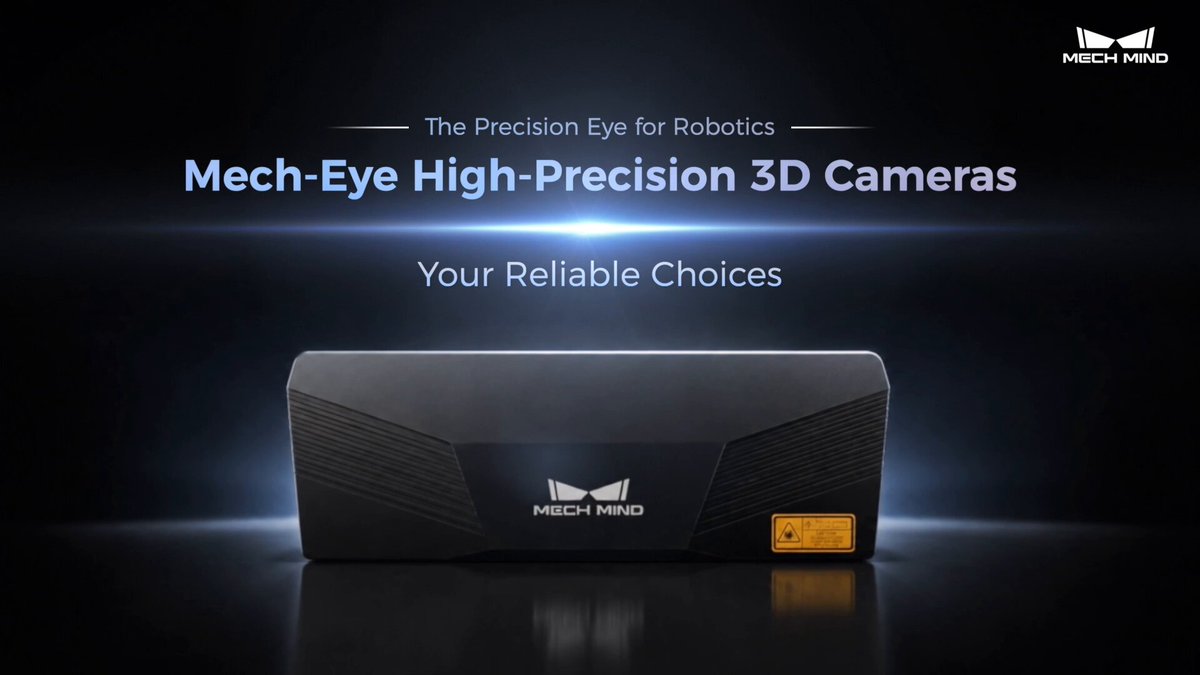
Mech-Mind: Mech-Eye 3D cameras built for harsh factory floors
Mech-Mind Robotics highlighted what a robot's vision must withstand on the factory floor: water, heat and vibration. The company said its Mech-Eye 3D cameras are designed for such conditions, combining high-resolution, high-speed 3D imaging with reliable performance in challenging environments so robots keep pace with demanding production lines.
NEURA Robotics: Would you share data with a robot training network?
NEURA Robotics asked its followers whether they would feed process data into a shared robot training network, opening a poll on data sharing for robot learning in production settings.
NEURA Robotics: cognitive robots capped by unshared process data
NEURA Robotics noted that a cognitive robot is only as good as the production data it learns from, which covers grips, tolerances and failure cases. Because that data is a company's own process knowledge, many firms hesitate to share it. The company asked followers whether they would feed process data into a shared robot training network and invited a vote in the post.

Global Quadruped Robot Shipments Reach 35,000 in H1 2026, Zhiyuan Grows Rapidly
Global quadruped robot shipments approached 35,000 units in the first half of 2026, with industry applications accounting for about 40%. Unitree led with a 37% share, while Zhiyuan KuTuo, founded in August 2025, rapidly captured 16.3% and saw strong B-end and overseas demand.
Qiyuan Robot Price Falls Below 20,000 Yuan; Robot ETF Huaxia Turns Positive
As of 14:44, China's three major A-share indices were higher, while the CSI Robot Index edged up 0.03% with mixed constituent moves. Robot ETF Huaxia (562500) turned positive intraday after Qiyuan robot drew attention for a sub-20,000-yuan price.
SAP's First Embodied AI Jam Turns Weeks of Work Into Three Days
SAP held its first Embodied AI Jam at the Swiss Smart Factory in Biel, pairing customers with system integrators and robot makers to tackle real business challenges. Teams produced in three days the kind of concrete use cases and architecture proposals that normally take weeks.
Humanoid Robots Beat Bolt, but Folding Laundry Is Much Harder
Humanoid robots broke sprint records in Beijing, yet tasks like folding clothes remain far more difficult. As learning speeds up and costs fall, the gap between spectacle and practical work is narrowing.
Embodied AI's Real Shortage: Organizational Ability to Retain Talent
Embodied AI firms are attracting record funding, but a wave of high-profile technical and business leaders are leaving. The real challenge is not capital but building the organizational capability to retain and grow talent.
Dongfeng's Xiaodong Humanoid Robot to Enter Factory in October
Dongfeng's humanoid robot Xiaodong is scheduled to enter a factory for training by the end of October, according to chief engineer Zhang Zhenlin. The robot will begin trial production by year-end, with small-batch production planned for next year, targeting sorting, material handling and quality inspection.
Qiyuan Robots Join Tencent WorkBuddy, Calling 10,000+ Skills
Qiyuan Robotics has connected its Q1 and T1 robots to Tencent's WorkBuddy, becoming the first embodied-intelligence company on the platform and gaining access to more than 10,000 Skills. The partners offer three access modes and a four-layer safety mechanism to turn cloud AI reasoning into verified physical action.
China Accounts for Over 90% of Global Quadruped Robot Market as Unitree Leads
Counterpoint Research reports that global quadruped robot shipments reached nearly 35,000 units in H1 2026, with China taking more than 90% share. Unitree leads overall with 37%, while industrial applications are becoming the main growth engine and competition shifts toward vertical solution delivery.
Feisi Lab Launches Air-Ground Embodied Intelligence Lab to Train Undergraduate Low-Altitude Talent
China's 2026 undergraduate catalog adds interdisciplinary majors including embodied intelligence and low-altitude technology, shifting talent training toward national planning. Feisi Lab, under Zhuoyi Intelligent, offers an air-ground collaborative embodied intelligence lab solution for universities, combining simulation, hardware-in-loop verification, and real-machine deployment.
Dianlian Technology Says Robotics Revenue Remains Small, Still in Cultivation Phase
Dianlian Technology (300679.SZ) said on an investor interaction platform that robotics-related revenue remains a small share and is still in a cultivation phase, while its connectors can support data transmission in humanoid robot perception components.
Who Can Crack the Warehouse: China's First Big Test for Embodied AI
Warehouses are becoming the first major battleground for embodied AI in China, where system-level integration matters more than individual robot performance. Atomix, a logistics robotics company with a decade of experience, offers a 4+1 framework and has merged with embodied AI firm Yuanli Lingji to combine large models with real-world scale.
Qingyan Precision's Chen Chao: Building a Vocational School for Embodied AI Industrial Deployment
At the 22nd China Automotive Industry Development (TEDA) International Forum, Chen Chao of Qingyan Precision explained how the company uses automotive testing and validation expertise to help embodied AI companies achieve batch delivery in industrial scenarios. He proposed an RIL (Robot-in-the-Loop) system and a vocational school model to bridge the gap between robot companies and industrial clients.
Nationstar Optoelectronics' APD Products Suit Drones, Robot Vacuums, Humanoid Robots
Nationstar Optoelectronics' APD products provide high-speed, low-noise photodetection solutions for drones, robot vacuums, laser rangefinders, and humanoid robots, the company said on September 21.
Boke Testing Leverages Automotive Testing Experience to Develop Embodied Robot Testing Equipment
Boke Testing (301598.SZ) announced on its investor platform that it has developed testing equipment for embodied robots, drawing on its automotive testing expertise.
Humanoid Robot Stocks Rebound as Tesla Audit and Mass Production Signals Land
On September 21, humanoid robot concept stocks rebounded, with Meihu Co. hitting the daily limit. The rally was driven by Tesla's supplier audit in the Yangtze River Delta and progress on its Optimus production line in Texas.
Guanggu Humanoid Robot 7S Store Expands to Xianning, Yichang, and Nationwide
The Guanggu Humanoid Robot 7S store is preparing new branches in Wuhan and other cities, with Xianning and Yichang next. Hubei Science and Technology Investment Group is building the ecosystem through an innovation center, test scenarios, and a leasing platform.
UBTECH's Liuzhou 10,000-Unit Factory Begins Production, One Humanoid Robot Every 10 Minutes
UBTECH's Liuzhou 10,000-unit industrial humanoid robot super smart factory has begun production, with a planned annual capacity of over 10,000 units and one robot rolling off the line every 10 minutes. The factory employs a "robots building robots" model and features a digital manufacturing base co-developed with Siemens, while showcasing the advanced technology of the Walker S2 industrial humanoid robot.
Housework Pays: Embodied AI Brings Data Collection Jobs to Communities
In Tai'an, Shandong, a data collection program trains community residents to record household chores and other daily scenes for robot training. More than 200 people in Taishan District now work as home-based collectors, and the model is expanding to supermarkets, pharmacies, and villages.
Robot stocks surge on Tesla team's secret Yangtze Delta audit; Joyson up 6%
A-share robot concept stocks rallied broadly after a report that Tesla's robot team conducted a secret factory audit in the Yangtze River Delta, with Joyson Electronics up more than 6%.
Youibot, Huawei Cloud Launch CloudRobo Embodied Inspection Solution Deployed at China Southern Power Grid
Youibot and Huawei Cloud unveiled the CloudRobo embodied intelligence inspection solution during Huawei Connect 2026, with a flagship case now in regular operation at China Southern Power Grid's Guangzhou Power Supply Bureau. Youibot, which ranked first in the global industrial mobile manipulator market in 2024, has delivered over 800 projects and reports a customer repurchase rate above 70%.
Tesla Robot Team Audits Yangtze Delta Suppliers; Multiple Firms Hold Orders
Tesla's humanoid robot team has started supplier audits in China's Yangtze River Delta, visiting Ningbo-based component makers. Industry sources say several firms already hold orders and could begin production soon after passing quality and compliance checks.
Qiyuan Launches Consumer Humanoid Robots at 19,999 Yuan, Undercutting iPhone Prices
Qiyuan Robot, a subsidiary of Shangwei New Materials, launched the Q1 and T1 consumer humanoid robots starting at 19,999 yuan, the lowest price for such specs. The company aims to capture the second and third waves of the robotics industry, focusing on content-driven ecosystems and combined functional, emotional, and asset value.