Live Briefs 2026-10-03 · Full coverage of embodied AI
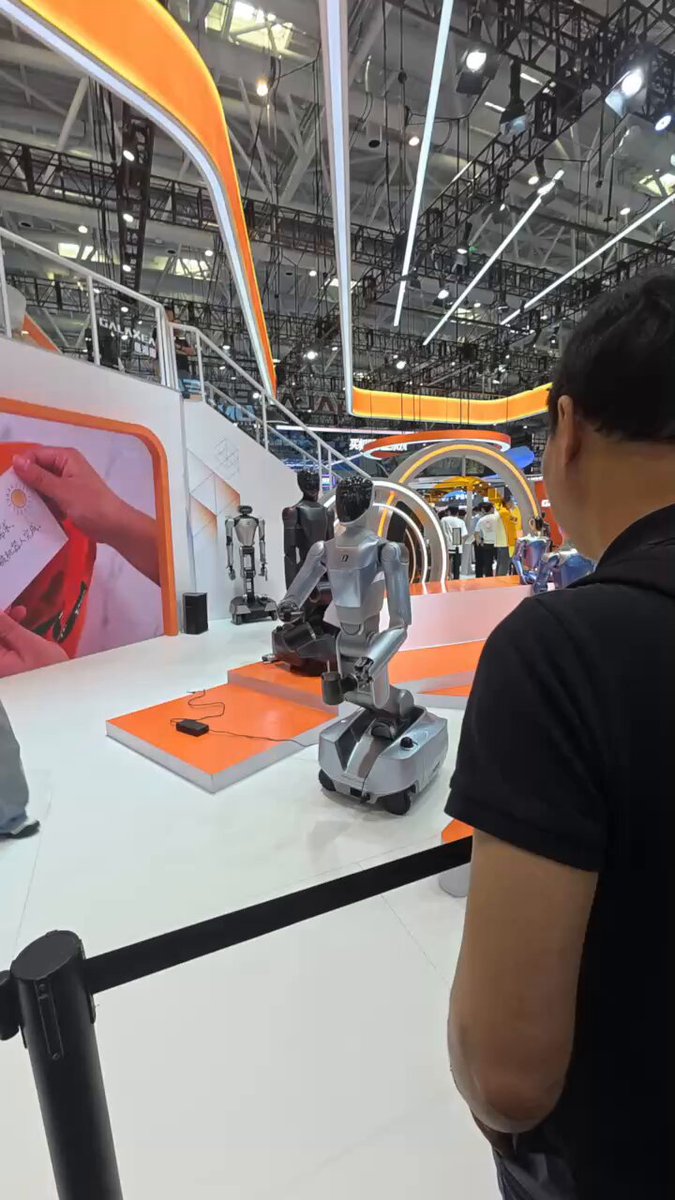
Galbot Unveils Learning-Capable Humanoid Robot ET1 at WRC 2026
Galbot announced ET1, a learning-capable agentic humanoid robot powered by AstraBrain-Agent, at WRC 2026. ET1 can perceive, understand, think, and act in the physical world, and is performing live at the event, learning and adapting through interaction.
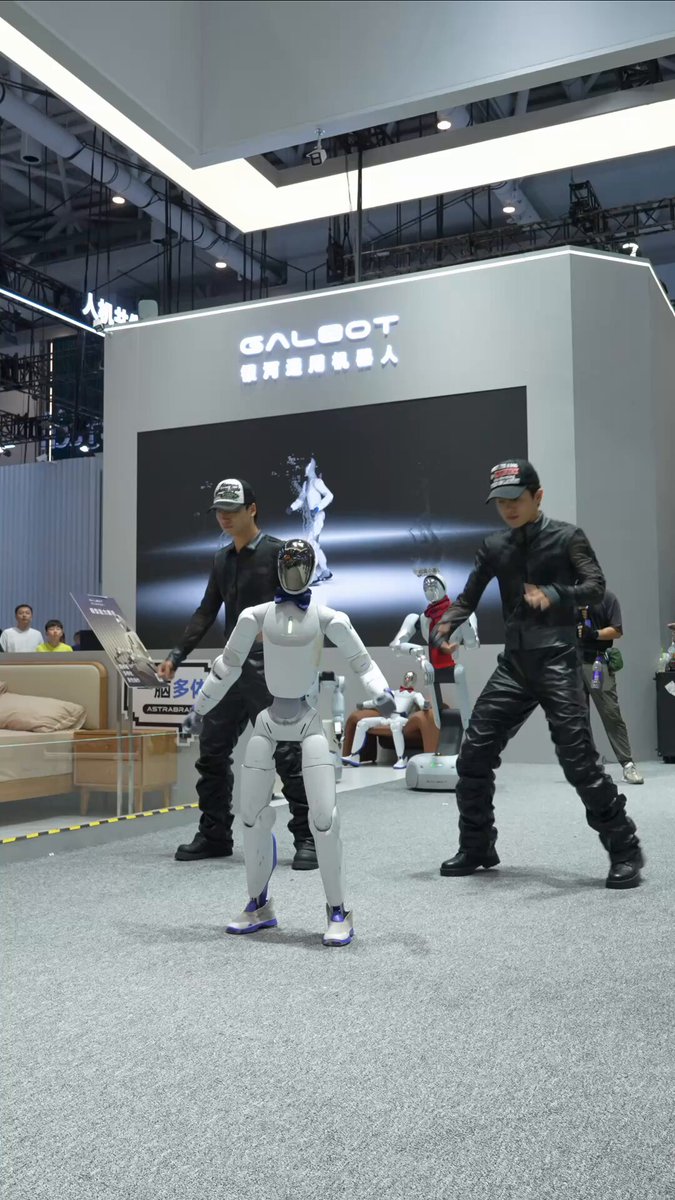
China's Humanoid Price Revolution: Inside the $12,000 Unitree G1
Unitree G1 teardown: a RMB 41,574 bill of materials with 66% in joints. How China cut humanoid prices from RMB 593,400 to RMB 9,998 in three years.
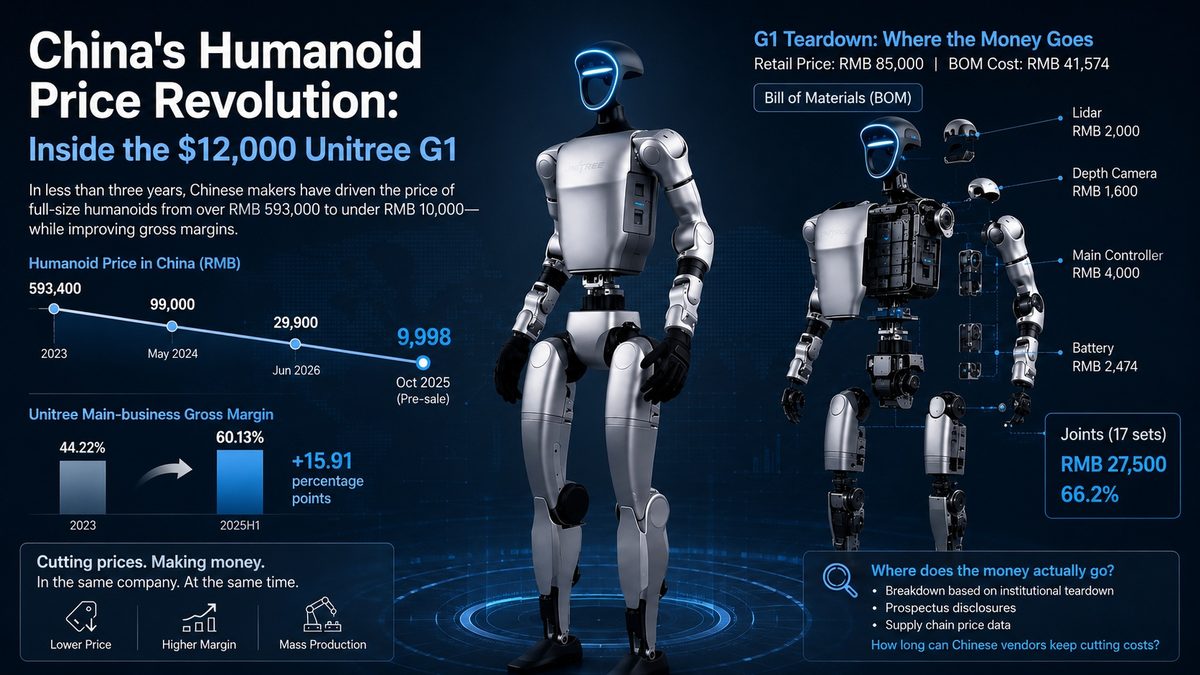
The Silent Supermarket: A German AI Fellow at WRC 2026, Full Transcript
A German National Academy member and IEEE/AAAI Fellow explains why home robots are the hardest build in embodied AI: world models, touch, and a silent market. Full transcript included.
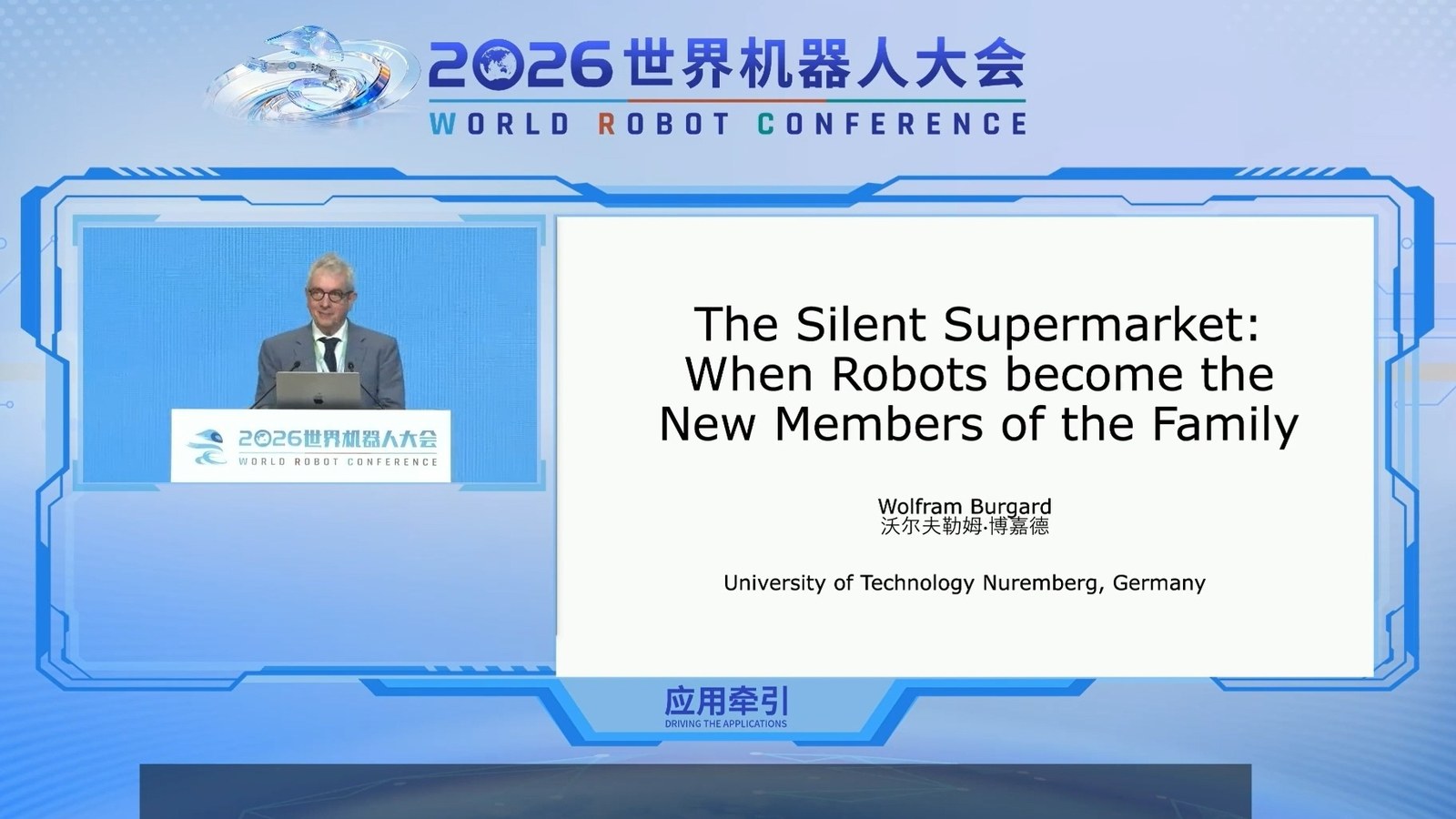
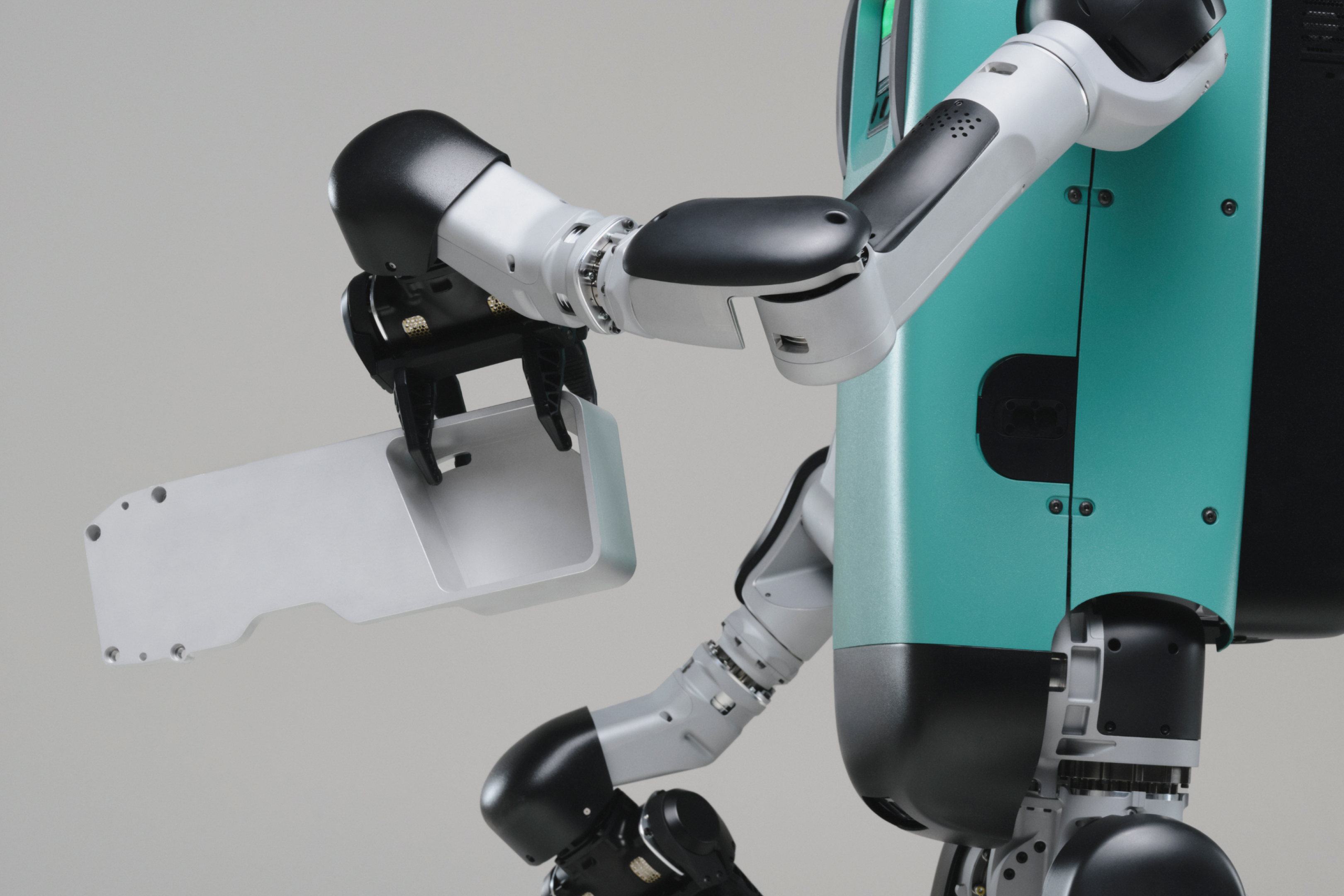
Agility co-founder: physics is key, AI can't fix bad hardware
In a new @ScienceMagazine paper, Agility's co-founder Jonathan Hurst argues that humanoid hardware should not be treated as a commodity; get the physics wrong, and no amount of AI can compensate. He emphasizes the importance of mechanical design for physical AI.
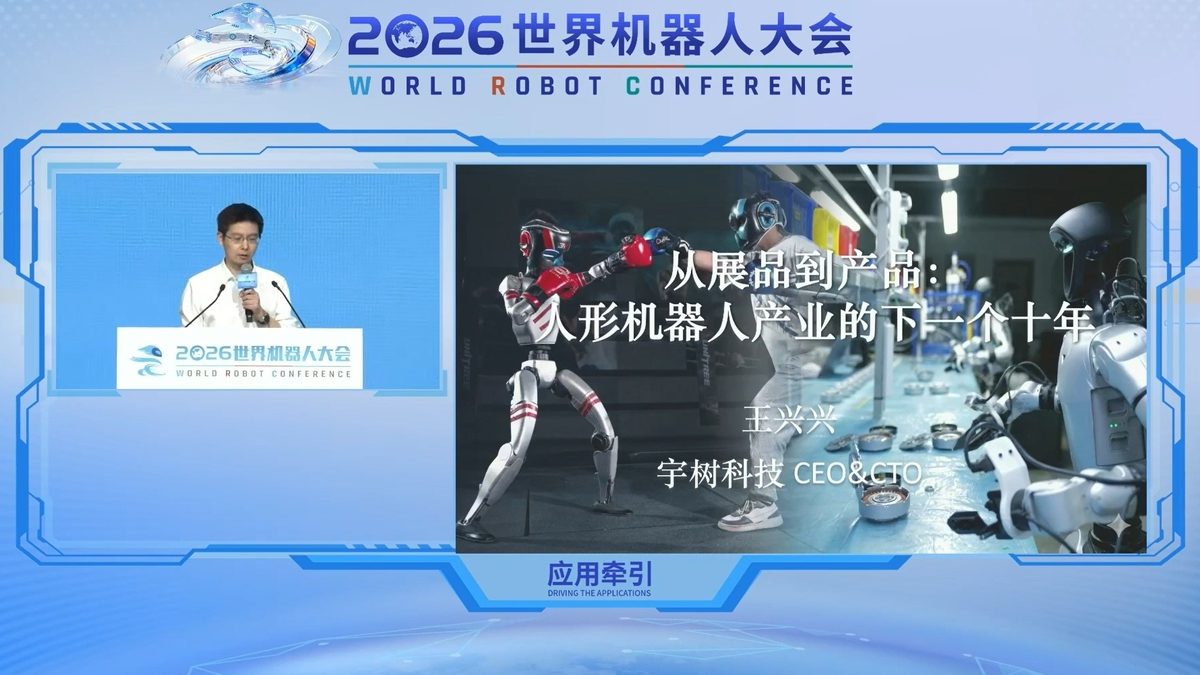
From Exhibits to Products: Unitree's CEO at WRC 2026, Full Transcript
The day after Unitree's record IPO, founder Wang Xingxing took the WRC 2026 stage to define embodied AI's first quantifiable threshold: 80% of unfamiliar scenes, 80% of tasks.
Dexterous Hands at WRC 2026 Boost Robot-Human Workplace Collaboration
At the 2026 World Robot Conference, dexterous and bionic hands emerged as the centerpiece, shifting the narrative from flashy stunts to real-world productivity and supply-demand balance.
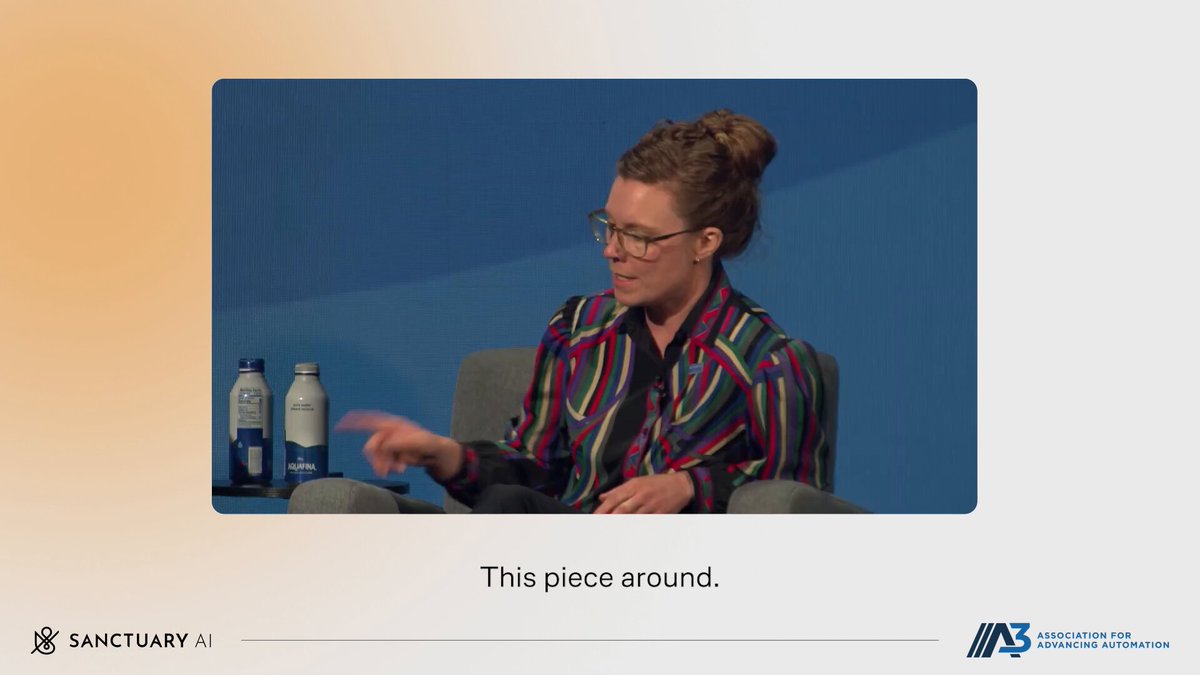
Sanctuary AI's Olivia Norton on Demo vs Production-Ready Robotics
Sanctuary AI Co-Founder Olivia Norton explains why the final few percent of performance are the most challenging yet crucial for deploying Physical AI in industrial environments, recorded at the Humanoid Robot Forum during A3 Automate 2026.
WRC 2026 Highlights: 100 Official Exhibits, 10 Categories
All 100 officially selected WRC 2026 exhibits, mapped by category: humanoids, quadruped robots, dexterous hands, core components and three industry reads.

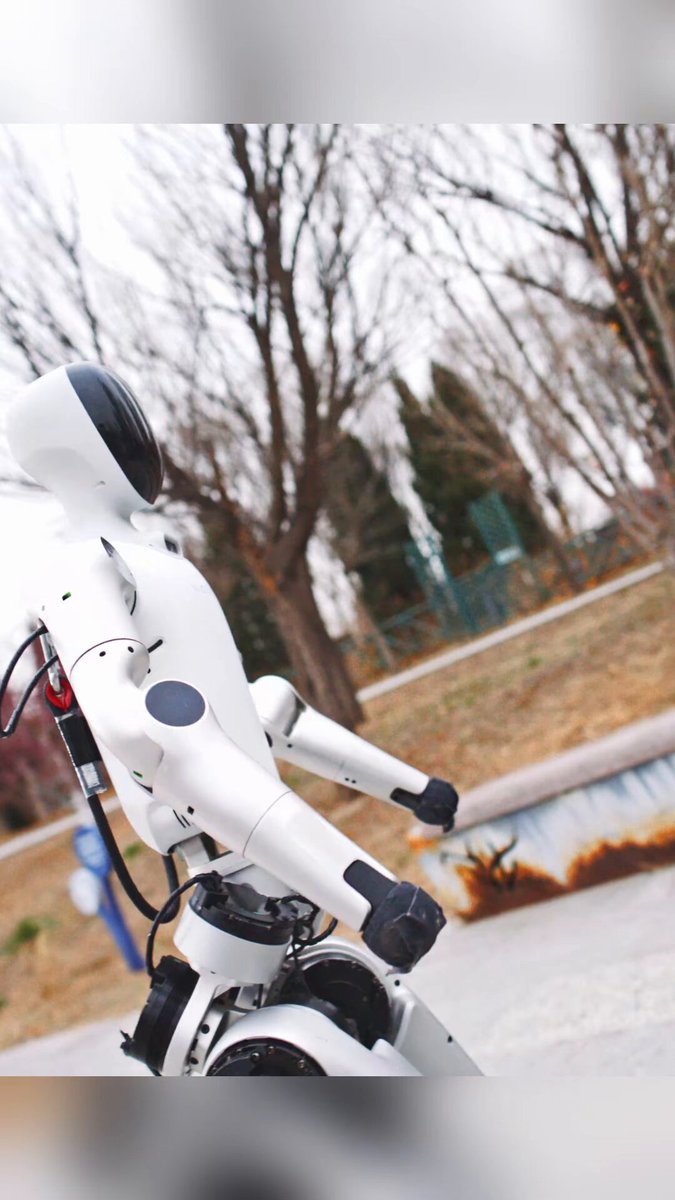
Noetix Robotics' E1 Robot Dazzles with Shuffle Dance
Noetix Robotics demonstrates its E1 robot performing a smooth shuffle dance, powered by self-developed high-precision motion control algorithms.
Galaxea NEXO demonstrates whole-body control pouring coffee at WRC 2026
At WRC 2026, Galaxea Dynamics' NEXO robot demonstrated whole-body null-space control, coordinating its arms, torso, and mobile base to steadily pour coffee.