Company · Toyota 3 items
← Supply Chain MapCompany Profile

One-line positioning
Toyota's goal is to create a future where humans and robots work together as "partners."
Key facts
Toyota's foray into robotics began in the 1970s, rooted in the Jidoka philosophy of the Toyota Production System, which emphasizes "automation with human intelligence" and positions robots as assistants to workers rather than full replacements.
Products & tech
In 2013, Toyota co-developed the miniature humanoid robot Kirobo, which boarded the International Space Station; in 2017, it unveiled the T-HR3, a teleoperated humanoid robot.
Toyota Research Institute has developed generative AI robot behavior models and large behavior models in the robotics field.
Market position
Toyota also incubated the robotics unicorn Walden, serving as both its core investor and its most important early industry partner.
Products
1/4 items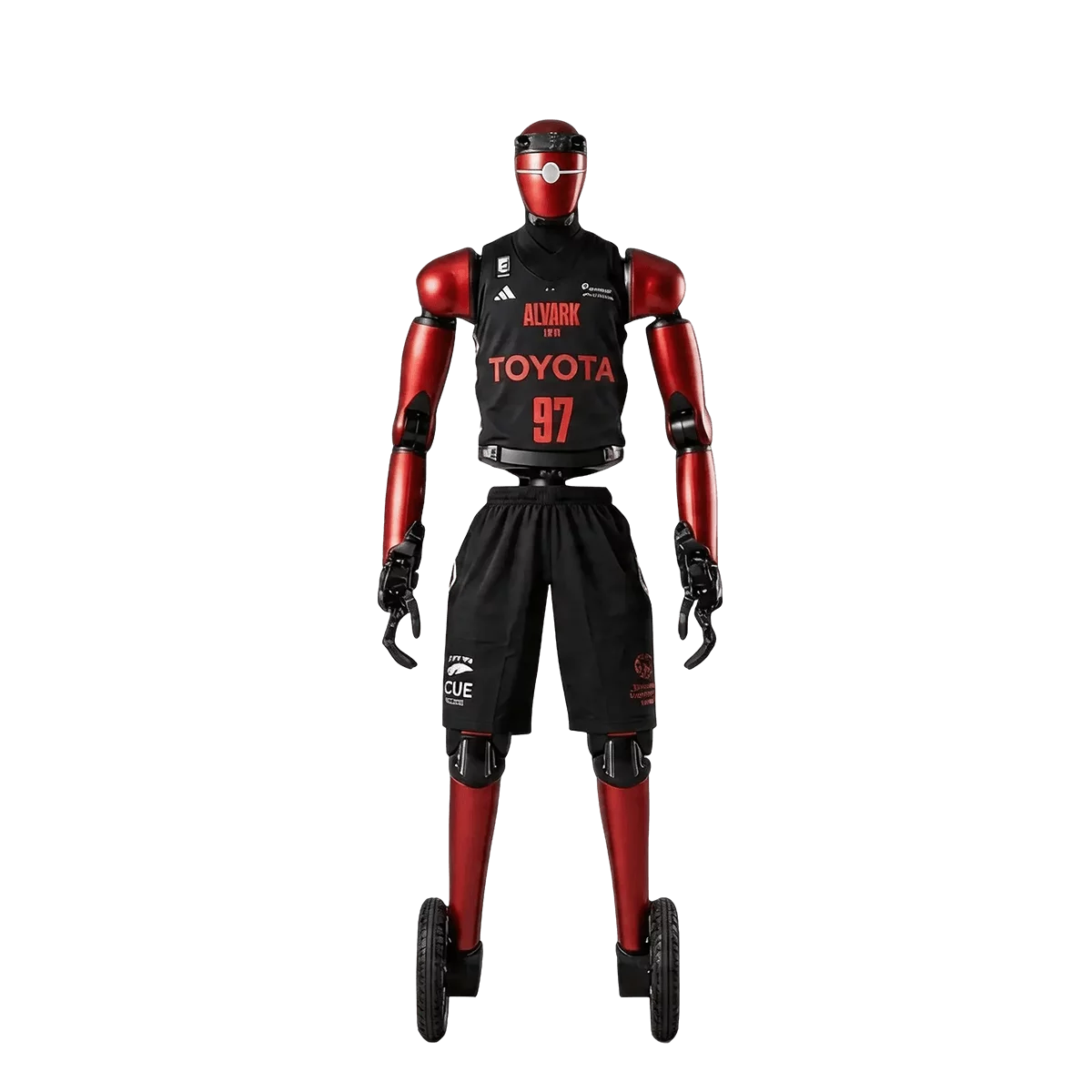
Company Briefs
LiveSupply Chain
News
No official updates yet — the chain engine will fill this timeline from verified official sources.